

 EN

how-to-solve-uneven-healing-patterns-after-fractional-co2-treatment, how-to-solve-uneven-healing-patterns-after-fractional-co2-treatment, /blog
EN
Uneven healing after a fractional co2 laser procedure can show up as patchy redness, lingering roughness, differences in flaking, or areas that seem to recover at different speeds. The pattern does not automatically mean treatment failed, but it deserves a careful assessment before anyone considers another procedure. The safest response is to identify the cause, protect the skin barrier, and let a qualified clinician guide any correction.
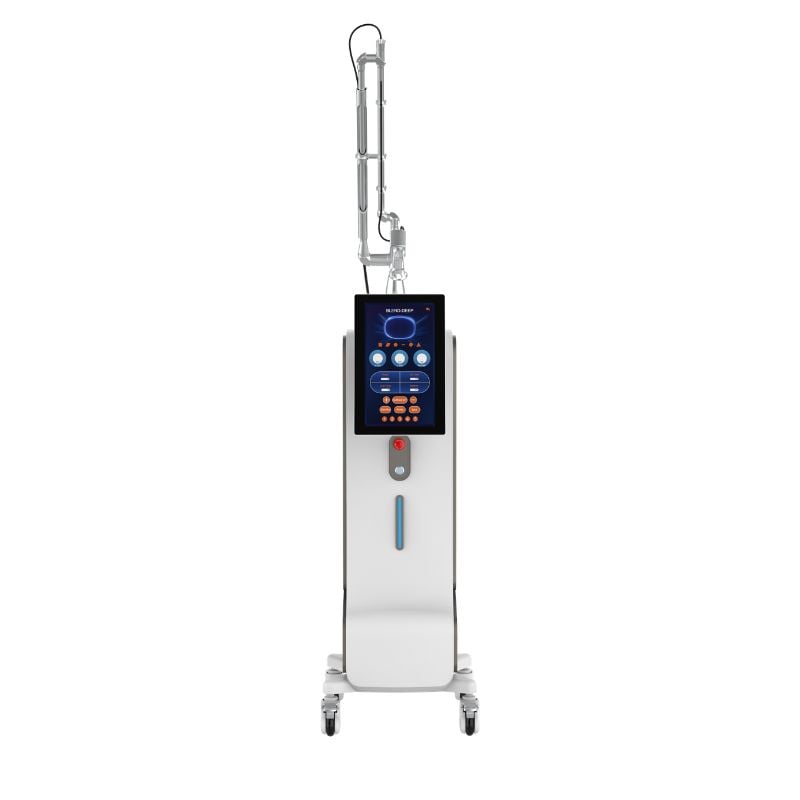
A consistent recovery plan begins with distinguishing expected variation from a complication. With co2 fractional resurfacing, treatment depth, energy, coverage, skin condition, and aftercare can all influence the visible result. A fractional laser treatment should therefore be evaluated in context, not by comparing one small area with another in isolation. A skin remodeling laser procedure also requires time for the skin to settle before the final outcome can be judged.
Start by recording when the differences appeared and how they have changed. Photograph the affected areas in consistent lighting, and note whether redness, swelling, tenderness, dryness, or crusting is improving or worsening. A clinician reviewing a fractional co2 laser recovery can use this timeline to separate normal variation from a pattern that calls for an examination.
Map the changes by location rather than describing the whole face or treatment area as uneven. For example, a cheek may have mild persistent redness while the forehead has already shed its rough surface. After co2 fractional resurfacing, those differences may reflect local skin thickness, sun exposure, friction, or differences in the delivered treatment rather than a single cause.
Healing is not always visually uniform. Small differences in redness or texture may gradually resolve as the barrier repairs, particularly when the fractional laser treatment covered areas with different baseline conditions. However, worsening pain, spreading warmth, pus, fever, blisters, or rapidly increasing swelling should prompt timely medical attention rather than home experimentation.
A qualified provider should review delayed recovery, new pigment changes, persistent raw areas, or a sharp boundary between treated and untreated skin. Those details can help establish whether the skin remodeling laser settings, aftercare, or another factor contributed. Avoid labeling the result as scarring or permanent damage without an examination, because appearance during early healing can change.
Bring treatment records, aftercare instructions, product names, and photographs to the consultation. The fractional co2 laser settings and the pattern of coverage help the clinician interpret the surface changes; the co2 fractional resurfacing plan and your recent sun exposure may matter too. This focused review is more useful than trying several new creams before the cause is clear.
Until the treating clinician advises otherwise, keep care simple and gentle. Use the recommended cleanser and moisturizer, avoid picking or scrubbing, and protect the area from direct sunlight according to professional guidance. A fractional laser treatment can leave the barrier temporarily vulnerable, so acids, retinoids, fragranced products, and unapproved topical medicines may aggravate irritation.
Do not attempt to even the surface by exfoliating the slower-healing patch or applying stronger products only to selected spots. Following co2 fractional resurfacing, inconsistent care can create additional irritation and make the original pattern harder to assess. For a skin remodeling laser recovery, consistent instructions are generally more useful than making frequent changes based on day-to-day appearance.
The next step depends on what the examination finds. If the skin is still healing, observation and barrier support may be more appropriate than another procedure. When a clinician identifies persistent pigment, texture differences, or a complication, they can explain suitable options, their timing, and the risks for your skin type following a fractional co2 laser session.
A correction should not be chosen simply because one area looks less even. The clinician may recommend waiting until inflammation has settled, adjusting topical care, or considering a later targeted treatment. In a co2 fractional resurfacing plan, retreating too early can add injury before the prior response is understood, while a fractional laser treatment may require a different approach depending on the concern.
Ask what outcome is realistic, what signs would change the plan, and how follow-up will be handled. A skin remodeling laser protocol should account for treatment depth, coverage, previous procedures, skin tone, and recovery history. Review these points before agreeing to additional energy or a new device; the fractional co2 laser settings used initially can inform, but should not dictate, a future decision.
Before a future session, discuss prior healing in detail and share photographs that show the progression. The provider can reassess candidacy, identify areas needing a conservative approach, and explain how settings or coverage may be adjusted. With fractional laser treatment, a careful plan should reflect the treatment goal and the condition of each area rather than assume identical skin response everywhere.
Preparation also matters. Follow instructions about sun exposure, medicines, and skin products, and disclose active irritation, recent procedures, or a history of unusual healing. During co2 fractional resurfacing, clear communication helps the clinician plan treatment boundaries and aftercare. Ask how a skin remodeling laser session will be documented so any later difference can be compared with the original plan.
Agree on a follow-up schedule before treatment and learn which changes merit an earlier call. Keep care consistent and use the recommended sun protection while healing. If a fractional co2 laser area becomes more painful, increasingly warm, or unexpectedly wet, contact the treating professional promptly instead of waiting for a routine review.
The goal is not to force every area to look identical during early recovery; it is to achieve safe, progressive healing and assess the result at an appropriate time. A clinician can explain how co2 fractional resurfacing usually changes over the expected recovery period for your specific plan. That context prevents premature treatment decisions and makes a later fractional laser treatment discussion more informed.
For clinics, reliable documentation supports a measured response: record settings, coverage, skin observations, aftercare advice, and follow-up findings. A skin remodeling laser treatment pathway should also specify who reviews concerns and when escalation is needed. These steps make it easier to identify patterns, explain decisions to patients, and refine the fractional co2 laser protocol without assuming that every uneven outcome has the same cause.
Follow the recovery timeline provided by the treating clinician, because the expected course depends on treatment intensity and individual skin response. If changes worsen or warning signs appear after fractional co2 laser treatment, seek advice sooner rather than waiting for a planned check. A fractional laser treatment result should be judged only after the clinician considers the healing stage.
Do not exfoliate or apply active products to a healing area unless your clinician approves them. After co2 fractional resurfacing, roughness may be part of recovery, and friction can worsen irritation. Ask whether a skin remodeling laser recovery concern needs assessment before changing your routine.
Not automatically. First establish whether healing is complete and identify the reason for the difference with a qualified provider. A later fractional co2 laser session or other fractional laser treatment may be considered only when timing, skin condition, and expected benefit have been assessed. Discuss the co2 fractional resurfacing plan and skin remodeling laser options in a clinical review.

