

 EN

how-to-solve-uneven-heating-problems-during-tecar-therapy, how-to-solve-uneven-heating-problems-during-tecar-therapy, /blog
EN
Uneven warmth during tecar therapy can make a session uncomfortable and may signal inconsistent contact, movement, settings, or patient feedback. The practical solution is to pause when sensation changes, identify the cause, and adjust one variable at a time rather than increasing output automatically. This method helps clinicians restore an even, tolerable treatment experience.
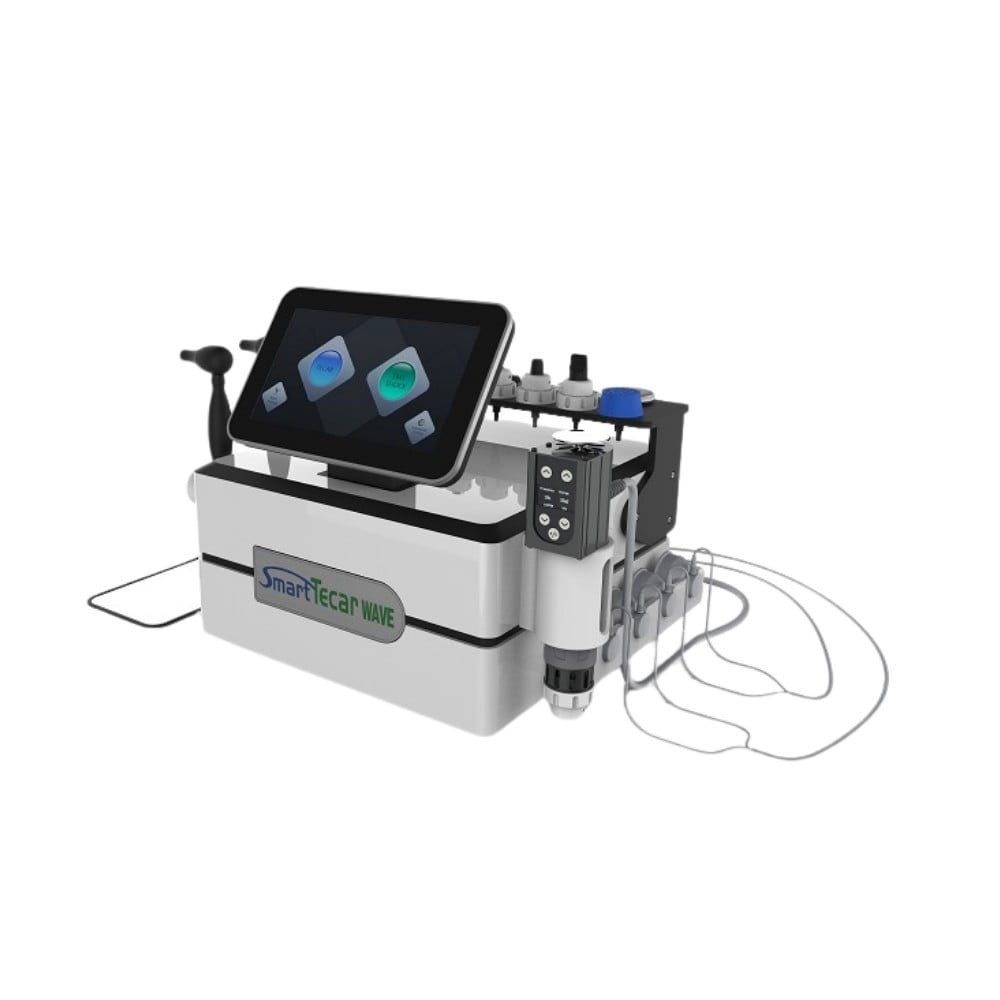
Because tecar therapy transfers energy through an active electrode and a return electrode, warmth depends on more than the selected intensity. Capacitive resistive electric transfer, patient positioning, tissue characteristics, and the practitioner’s technique all influence the sensation. A radiofrequency therapy device should be used with continuous communication and a controlled pace, not as a reason to chase a uniform temperature in every tissue.
Start by asking where the warmth feels stronger, weaker, or uncomfortable, then pause and inspect the treatment area. During tecar therapy, incomplete contact, dried coupling medium, a tilted electrode, or abrupt changes in pressure can concentrate sensation locally. Capacitive resistive electric transfer relies on a working circuit, so inspect the active electrode and return electrode, confirm full contact, and restore an even layer of the recommended medium.
Movement matters just as much as contact. If the applicator stops over one spot, the patient may notice a hot point while nearby tissue remains less warm, particularly during deep heat therapy. Keep the electrode moving at a measured, consistent pace, using overlapping passes rather than repeated friction on one small area. If a patient reports a sudden increase in warmth, stop and reassess before continuing.
Look for practical setup issues before changing the treatment plan. Check cable connections, electrode condition, return-electrode placement, and whether the selected mode matches the intended area. A radiofrequency therapy device can behave differently when contact or the circuit is unstable, and capacitive resistive electric transfer is not a substitute for checking the equipment. Follow the device instructions and local clinical protocol when a fault is suspected.
Patient position can create uneven contact across curved or sensitive regions. Reposition the patient so muscles are relaxed and the practitioner can keep the applicator flat without straining. In tecar therapy, a small adjustment to posture or hand support may improve control more effectively than raising output. Establish a comfortable starting level, explain what sensations to report, and treat deep heat therapy as a gradual, monitored response rather than a target to force.
Once contact and positioning are stable, adjust the session methodically. Reduce intensity if warmth is sharp, localized, or rising too quickly, then reassess movement speed and electrode pressure separately. This matters in tecar therapy because several technique changes at once make it difficult to identify the cause. Capacitive resistive electric transfer should remain responsive to the patient’s feedback and the treatment purpose, not to a fixed setting used for every body region.
The mode and applicator should suit the tissue and clinical objective. Capacitive resistive electric transfer describes two approaches to energy delivery; it does not mean every area will feel equally warm under either approach. During deep heat therapy, sensation may differ with tissue depth, local circulation, and individual sensitivity. Use the radiofrequency therapy device within its instructions, and avoid increasing output merely because one neighboring area feels cooler.
Maintain a consistent path and rhythm, especially when treating a broad region. If a patient identifies a hot spot, reduce output, move away from it, and check contact before resuming with shorter, controlled passes. In tecar therapy, this approach helps distinguish a technique issue from a normal difference in sensation. Keep the patient’s comfort central; a uniform subjective feeling is not proof that the same energy response is occurring throughout the area.
Consider the reason for the session when deciding whether to continue. If warmth remains uneven after contact, posture, movement, and settings have been reviewed, stop and reassess the clinical plan. A radiofrequency therapy device is only one part of care, and deep heat therapy may not be appropriate in every circumstance. Follow screening requirements, contraindications, and professional guidance rather than trying to overcome persistent discomfort with further adjustments.
Ask for specific feedback at regular intervals: whether the sensation is comfortable, where it is strongest, and whether it is changing. Keep the questions brief so the patient can answer without disrupting the treatment. This feedback lets the practitioner adapt tecar therapy in real time, while supporting clear documentation of the area, technique, and response. Pause promptly for burning, pain, numbness, or any unexpected symptom.
Before starting, explain the expected sensations and agree on a clear signal for stopping. Examine the area, confirm appropriate skin condition, and position the patient to support steady electrode contact. With capacitive resistive electric transfer, preparation helps avoid preventable changes in circuit contact during the session. A radiofrequency therapy device should be checked and set according to its instructions before treatment begins, not adjusted reactively without a reason.
Use an initial setting that allows gradual assessment, then build only if the response and protocol support it. Deep heat therapy should remain comfortable and supervised; patients should not be expected to tolerate a hot or painful point. During tecar therapy, explain that sensation can vary between tissues and across the treatment area. This expectation prevents a cooler patch from prompting unnecessary intensity increases and encourages patients to report changes early.
At the end, check the treated skin and ask how the sensation developed over the session. Record meaningful details such as electrode mode, position, movement pattern, adjustments, and patient response. These notes make it easier to identify recurring setup or technique factors at a later visit. If an unexpected reaction occurs, follow clinical procedures and document the response rather than treating it as routine warmth.
For recurring problems, review the whole workflow: patient preparation, electrode contact, coupling medium, return-electrode placement, device condition, and practitioner movement. A short, consistent check before each session can reduce avoidable variation. If the radiofrequency therapy device shows an error or the sensation remains abnormal despite corrections, discontinue use and seek appropriate technical or clinical guidance. Reliable deep heat therapy depends on controlled practice, suitable screening, and ongoing observation.
Not automatically. First check contact, movement, positioning, and patient feedback, then consider whether the treatment goal supports any change. In tecar therapy, one cooler sensation does not establish that the overall session needs more energy. Keep deep heat therapy comfortable, follow the protocol, and avoid compensating for local differences by raising the setting without assessment.
Pause treatment and inspect the area, electrode contact, coupling medium, and circuit setup. Reduce or stop output as appropriate, and ask whether discomfort or another unexpected symptom is present. Capacitive resistive electric transfer requires controlled contact and observation; if the problem persists, do not resume simply by changing modes. Follow device guidance and clinical procedures.
It cannot always be eliminated because sensation and tissue response vary, but consistent preparation and technique can help manage it. Use the radiofrequency therapy device as directed, keep the electrode moving evenly, and invite frequent feedback. Review the treatment plan when differences persist, and use deep heat therapy only when appropriate for the patient and purpose.

