

 EN

how-to-solve-uneven-light-flashes-from-intense-pulsed-light-machines, how-to-solve-uneven-light-flashes-from-intense-pulsed-light-machines, /blog
EN
Uneven flashes from an ipl machine can interrupt treatment, create inconsistent coverage, and signal a setup or equipment problem. Start by identifying whether the variation appears in every pulse or only under certain conditions. An intense pulsed light device depends on stable power, a clean treatment window, correct settings, and reliable contact to deliver repeatable flashes.
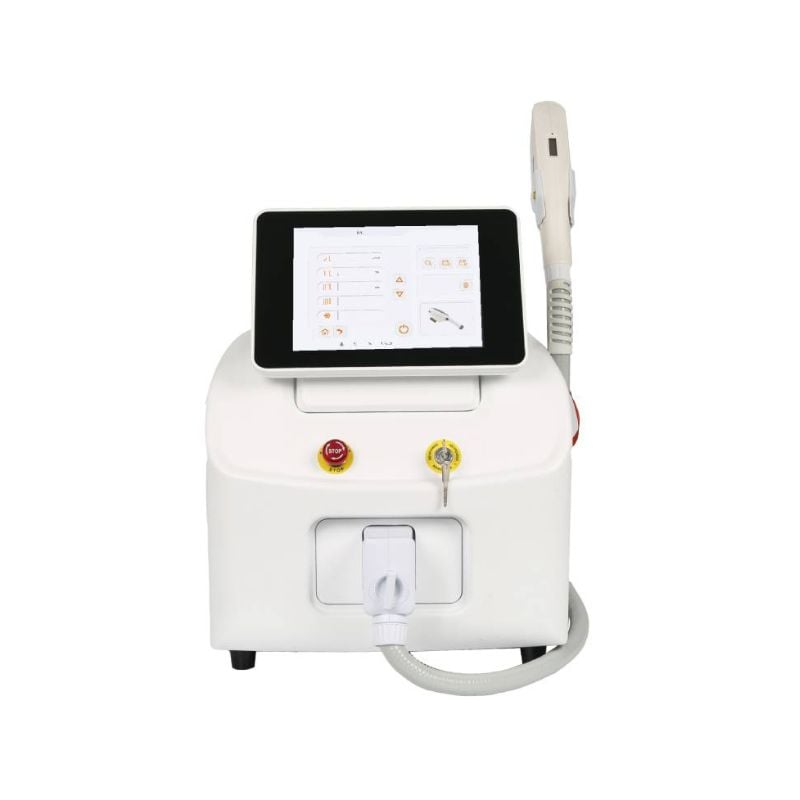
A practical fix begins with safe checks rather than increasing energy or repeating a treatment. Record when the problem occurs, review the operating conditions, and compare the device’s display with its actual output pattern. Whether the system is used as a skin rejuvenation device or for another approved application, a consistent troubleshooting sequence helps separate user setup issues from service needs.
First note whether flashes vary from the beginning, after several pulses, or only during a particular treatment mode. A ipl machine that starts evenly and then becomes inconsistent may point to heat, cooling, or power stability rather than a setting selected at startup. An intense pulsed light device should be assessed under the same approved conditions each time, so record the mode, energy level, pulse sequence, and time since startup.
Look for a repeatable pattern, such as a dim flash after a pause or uneven output across successive shots. Do not judge output by looking directly at the light; follow the operating manual and use approved inspection methods. A skin rejuvenation device may show normal variations between modes, but a sudden change within one mode deserves attention. Photorejuvenation equipment should not be used on clients while the cause remains unclear.
With the unit powered down as directed, inspect the treatment window for residue, scratches, cracks, or trapped debris. Contamination can interfere with light transmission, so clean only with the materials and method specified by the manufacturer. The ipl machine handpiece must also sit flush against the intended surface during use; inconsistent contact can make flashes seem uneven even when the source is stable.
Review the handpiece cable and connector for visible damage, loose seating, or unusual warmth, without opening the housing. Photorejuvenation equipment should be kept dry and handled according to its maintenance instructions. If the window is damaged or a connector appears compromised, stop operation and arrange qualified service. An intense pulsed light device is not a user-serviceable system beyond the checks described in its documentation.
Confirm that the selected mode, pulse count, interval, and energy settings match the intended protocol and the device instructions. An accidental mode change can alter the appearance or timing of pulses. Before resuming, check that the ipl machine is connected to the recommended power source and that the plug and outlet are secure. Avoid extension arrangements or shared loads unless the equipment documentation permits them.
Allow the unit to complete its normal startup and cooling sequence instead of repeatedly switching it on and off. If the display shows an error, capture the exact code and follow the stated procedure. A skin rejuvenation device may limit operation when a safety condition is detected, and bypassing an alert can increase risk. Photorejuvenation equipment should return to use only after the fault is resolved, not simply because the display resets.
Check cooling indicators, airflow openings, coolant status where applicable, and the handpiece temperature using the approved procedure. Blocked vents, a low coolant level, or operation beyond the specified duty cycle may lead to protective interruptions or unstable performance. An intense pulsed light device needs its required cooling conditions to maintain normal operation; follow the stated pause times and keep vents clear.
Do not add fluids, remove covers, or improvise cooling methods. If the ipl machine becomes unusually hot, produces an odor, or repeatedly pauses, stop and isolate it according to workplace procedures. Photorejuvenation equipment used in a clinic should be assessed before the next appointment, with treatment records updated if a session was interrupted. These steps protect both the operator and the client while helping a technician reproduce the issue.
After basic checks or authorized maintenance, confirm performance using the test method specified in the manual. Keep the setup constant and observe whether timing and output are consistent across repeated test pulses. A skin rejuvenation device should be returned to clinical use only when the required checks pass and no warning remains. Photorejuvenation equipment may also require a documented output verification before treatments resume.
If the flash variation persists, provide service personnel with the operating mode, settings, error messages, start-up time, and conditions under which the problem occurs. A short, factual log is more useful than repeated adjustments. The ipl machine should remain out of service if output is uncertain, a safety feature fails, or visible damage is present. Do not compensate for weak-looking flashes by raising energy.
Preventive checks make small changes easier to identify. Before a work period, inspect the treatment window, cable, handpiece connection, cooling indicators, and surrounding ventilation. Keep cleaning and maintenance records, and train operators to use the same startup and shutdown sequence. For photorejuvenation equipment, a consistent routine reduces avoidable variation and gives the service team a clear baseline.
Treat new symptoms as information, not as a reason to keep testing on a client. The ipl machine can be assessed with a controlled test according to its documentation, while treatment settings remain within approved protocols. If the device has recurring output changes despite correct setup, request qualified inspection. A skin rejuvenation device that is reliably maintained supports a more predictable workflow and clearer decisions about when treatment can safely continue.
Yes. Residue or damage on the treatment window can affect light transmission. Clean the ipl machine only as instructed, and stop using it if the window is cracked or the variation remains. An intense pulsed light device should not be tested directly on a client to confirm an optics issue.
No. A weak-looking flash does not establish that the delivered output is low, and raising settings may create risk. Check approved settings and operating conditions first. If photorejuvenation equipment continues to vary, keep it out of service until qualified assessment confirms it is operating correctly. A skin rejuvenation device should not be used to compensate for a suspected fault.
Contact qualified service if an error repeats, cooling fails, the handpiece or cable is damaged, or controlled checks do not restore consistent operation. Record symptoms and settings for diagnosis. An intense pulsed light device with uncertain output should remain unused; photorejuvenation equipment requires verification before treatments resume, even if the ipl machine appears to restart normally.

