

 EN

how-to-solve-weak-shockwave-output-on-physiotherapy-machines, how-to-solve-weak-shockwave-output-on-physiotherapy-machines, /blog
EN
Weak output from a physiotherapy unit can make treatment feel inconsistent, but increasing the energy setting is not always the right first move. To troubleshoot a shockwave therapy machine safely, compare its current behavior with the intended protocol, then check setup, transmission, and wear in a consistent order.
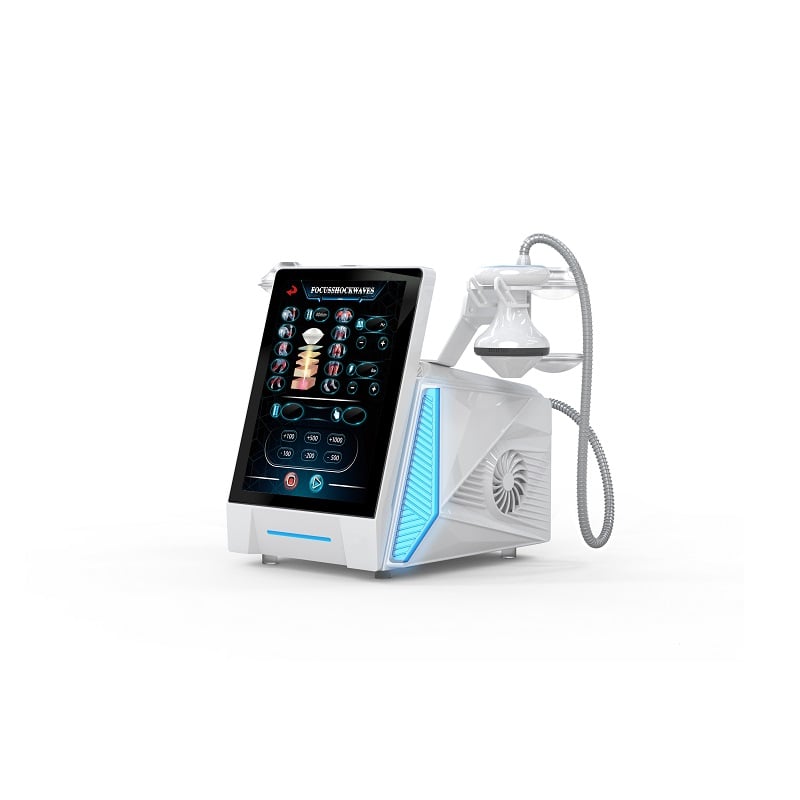
A measured assessment helps distinguish a genuine equipment fault from a change in technique, contact, or patient response. The same approach applies to extracorporeal shockwave therapy in busy clinics: verify what the system is delivering before adjusting a treatment plan, and record the conditions so the finding can be repeated.
Start by defining what weak output means in the clinic. It may mean a lower-than-expected sensation, a visible change in the device display, reduced pulse consistency, or a longer time to complete the planned session. A shockwave therapy machine should be checked against its normal operating behavior and the specific applicator in use, not against a vague impression from memory.
Confirm the selected treatment mode, frequency, energy level, and pulse count, then compare them with the approved protocol. A radial shockwave device may offer different controls from a focused system, so avoid transferring assumptions between platforms. In extracorporeal shockwave therapy, the chosen applicator and treatment mode determine how settings should be interpreted; the display alone does not establish that the intended dose reached the treatment area.
Patient sensitivity can vary with the treatment site, tissue condition, positioning, and expectations. A change in sensation does not by itself prove that the equipment is underperforming. For musculoskeletal therapy, compare like with like: the same anatomical region, applicator, coupling method, and broadly similar treatment parameters provide a more useful reference than comparing unrelated sessions.
Ask whether the concern appeared suddenly or developed over several sessions. Sudden changes may point toward a loose connection, an incorrect setting, or a damaged component, while gradual changes can suggest wear or a shift in routine. Record the observation and stop using the system if there is unusual noise, heat, damage, or an error indication; do not compensate by raising energy before the cause is understood.
Review the complete setup before testing output. Check that the handpiece is connected securely, the correct applicator is fitted, and cables are free from kinks or visible damage. On a shockwave therapy machine, confirm that the selected mode matches the applicator and that the unit has completed any required startup sequence. Follow the operating manual for checks and do not open the housing or bypass a safety feature.
Coupling matters because poor contact can interrupt energy transfer and make treatment feel weaker or inconsistent. Apply the coupling medium recommended for the equipment, use enough to avoid air gaps, and maintain steady contact without excessive pressure. For extracorporeal shockwave therapy, keep the applicator aligned with the planned treatment area and reassess contact if the sensation changes as the handpiece moves.
Inspect the treatment head, applicator, seals, and other user-serviceable parts for wear, contamination, looseness, or damage. A radial shockwave device may rely on components that need routine replacement according to the manufacturer’s schedule. If output changes after a part is refitted, verify that it is seated correctly and compatible with the device before another clinical use.
Clean and maintain the equipment only as directed, since inappropriate cleaning agents or handling can damage surfaces and connections. Review maintenance records for overdue service or recurring faults. If the shockwave therapy machine still produces an unusual sound, unstable pulses, or an error after permitted checks, take it out of clinical service and request qualified technical assessment rather than attempting an internal repair.
Once basic setup has been checked, repeat the same permitted functional test under consistent conditions. Use the test method specified in the equipment documentation, with the same applicator and settings each time. A shockwave therapy machine should not be judged by an improvised test that risks damage or produces results that cannot be compared.
Keep a concise record of the mode, applicator, displayed settings, test result, and any error messages. In musculoskeletal therapy, this record supports a practical decision: return the unit to use if it behaves as expected under the approved check, or escalate the fault if output remains inconsistent. Do not use a patient as a substitute for equipment testing.
Contact the service provider or qualified technician when the unit fails its documented check, shows persistent faults, or has damaged cables, applicators, or housing. Share the exact sequence of checks and the conditions under which the issue occurs. This is more useful than reporting only that treatment feels weak, particularly when a fault appears intermittently during extracorporeal shockwave therapy.
After resolution, update the clinic’s setup and maintenance routine. Train users to confirm the applicator, parameters, coupling, and connection before each session, and make wear checks part of scheduled care. For a radial shockwave device, consistent documentation can help identify recurring component issues early. These steps reduce avoidable variation without encouraging operators to exceed protocols or ignore a developing equipment fault.
No. Sensation varies with the patient, site, positioning, and technique. Check the shockwave therapy machine using its approved procedure and compare consistent settings before concluding that output is low.
Not as a troubleshooting shortcut. First verify the setup, applicator, contact, and documented settings. For extracorporeal shockwave therapy, stay within the prescribed protocol and seek technical advice if the system fails its check.
Stop clinical use if there is visible damage, unusual noise or heat, persistent error messages, or inconsistent output on the approved test. A radial shockwave device needs qualified assessment before returning to use; document the issue and protect patients from uncertain performance.

