

 EN

how-to-troubleshoot-focal-zone-drift-in-focused-shockwave-therapy, how-to-troubleshoot-focal-zone-drift-in-focused-shockwave-therapy, /blog
EN
Focal zone drift means the delivered energy focus no longer aligns with the intended treatment location. In focused shockwave therapy, that mismatch can arise from measurement error, patient movement, applicator positioning, or equipment setup. Troubleshooting should start by confirming what has shifted rather than changing treatment settings at random. A controlled check helps clinicians distinguish a true delivery issue from normal variation in positioning.
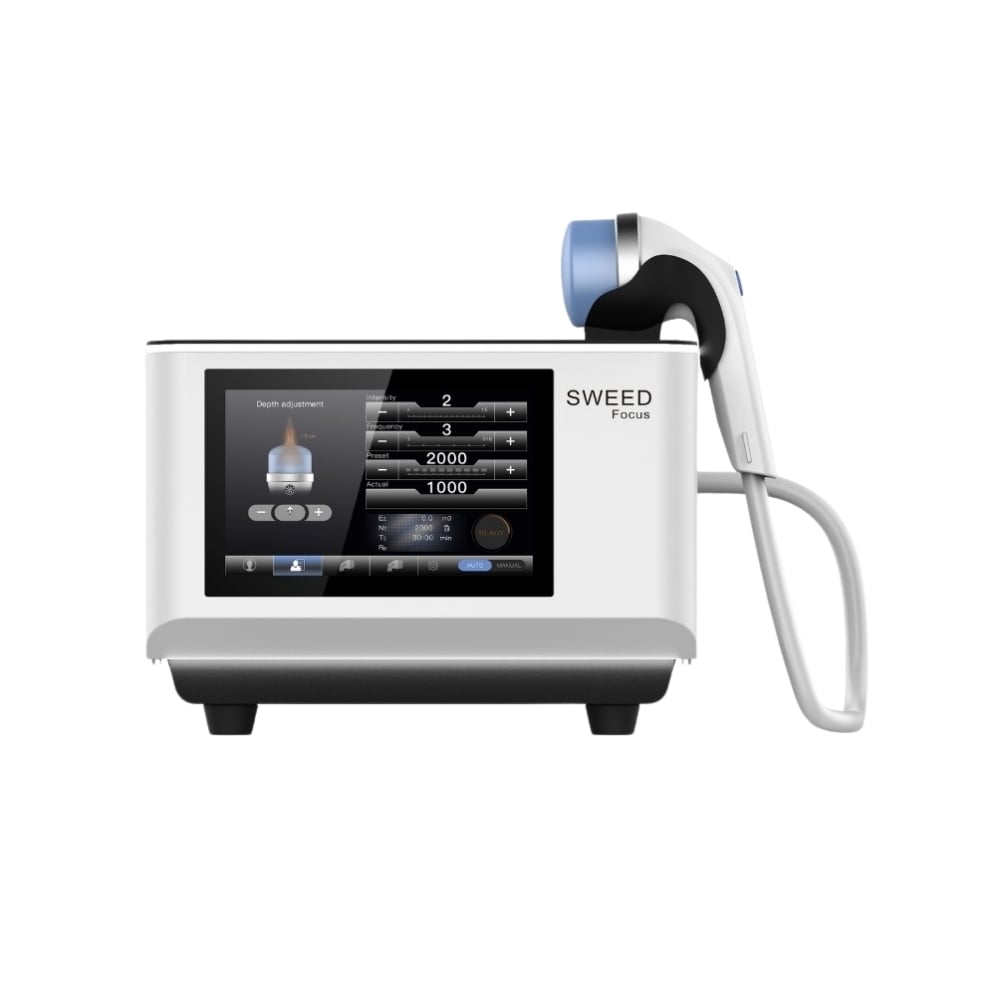
A reliable investigation uses the same sequence each time: verify the patient and target, inspect the setup, check the focused shockwave device, then reassess the focal location using the approved method. This matters in orthopedic rehabilitation, where treatment plans depend on repeatable targeting across visits. The principles also apply across extracorporeal shockwave workflows, but device-specific instructions and clinical judgment must guide any adjustment.
Begin by reviewing the documented target, patient position, and landmarks used to locate it. In focused shockwave therapy, a small difference in limb rotation or joint angle can change the relationship between the skin surface and deeper tissue. Confirm that the current position matches the assessment used to plan treatment, and repeat localization rather than relying on memory. In orthopedic rehabilitation, recording the landmark and patient posture gives the next session a dependable reference.
After confirming the target, assess whether the apparent shift follows the patient, the applicator, or the equipment. Extracorporeal shockwave treatment relies on consistent coupling and positioning, so inspect contact, alignment, and any movement during setup. If the location changes when the patient is repositioned, suspect a positioning issue first. If it remains displaced under a stable setup, check the focused shockwave device and follow its operating guidance before resuming treatment.
Muscle guarding, discomfort, breathing, and gradual sliding on the treatment surface can all alter alignment. In focused shockwave therapy, the clinician should pause if the patient moves, re-establish a comfortable position, and relocate the target. Check coupling material and applicator contact for gaps, contamination, or uneven pressure, while avoiding forceful contact. For orthopedic rehabilitation, clear communication about staying still and reporting discomfort can reduce repeat movement without compromising patient comfort or safety.
Confirm that the selected applicator, focal-depth setting, and displayed parameters match the intended procedure and the device instructions. Check cables, connectors, mounting, and visible wear, then verify that the focused shockwave device has completed any required startup or calibration steps. Extracorporeal shockwave equipment may use different targeting and verification methods, so do not transfer assumptions from another system. If a check fails or results remain inconsistent, stop and contact qualified service support.
Once a likely cause is identified, correct one variable at a time. Restore the documented patient position, renew target localization, and confirm coupling before adjusting any permitted setting. When focused shockwave therapy is resumed, verify the focal location again using the system’s approved process; do not compensate for uncertain alignment by increasing output. In orthopedic rehabilitation, a consistent workflow helps clinicians interpret whether a change came from positioning, the treatment plan, or the equipment.
Record the observed drift, patient position, target landmarks, device configuration, checks performed, and corrective action. A service log for the focused shockwave device can reveal recurring setup issues and provide useful information if technical review is needed. The focused shockwave therapy workflow should include a final alignment check before treatment proceeds. Documenting each extracorporeal shockwave session supports continuity between clinicians and makes unusual variation easier to investigate.
Build prevention into daily practice by checking the treatment area, positioning aids, and equipment condition before the patient is ready. In orthopedic rehabilitation, consistent patient instructions and repeatable landmark records can reduce preventable differences between visits. Review the focused shockwave device manual for maintenance intervals and approved verification steps, and keep staff training current. If focal drift persists after routine checks, pause use and follow the established escalation pathway rather than continuing with uncertain delivery.
Yes. A change in posture, muscle tension, or position can shift the target relative to the applicator during focused shockwave therapy. Pause, reposition the patient, and re-localize the target before continuing. Extracorporeal shockwave treatment should follow the same principle of confirming alignment after movement.
Start with the selected settings, applicator alignment, connections, and any startup or verification steps specified by the focused shockwave device instructions. Avoid changing output to compensate for uncertain targeting. In orthopedic rehabilitation, document what was checked and whether the issue recurs.
Stop if the focal location cannot be confirmed, a required verification fails, or drift continues after setup corrections. Do not resume extracorporeal shockwave treatment until the cause is understood and the equipment is cleared according to its instructions. Record the focused shockwave device details and contact qualified service personnel when indicated.

