

 EN

how-to-troubleshoot-pulse-duration-errors-on-hair-removal-lasers, how-to-troubleshoot-pulse-duration-errors-on-hair-removal-lasers, /blog
EN
Pulse duration errors can interrupt treatment, but they do not automatically indicate a major hardware failure. On a diode laser hair removal machine, a measured troubleshooting sequence helps distinguish an incorrect setting from a cooling, sensor, or service issue. Begin by recording the displayed message and the conditions under which it appears.
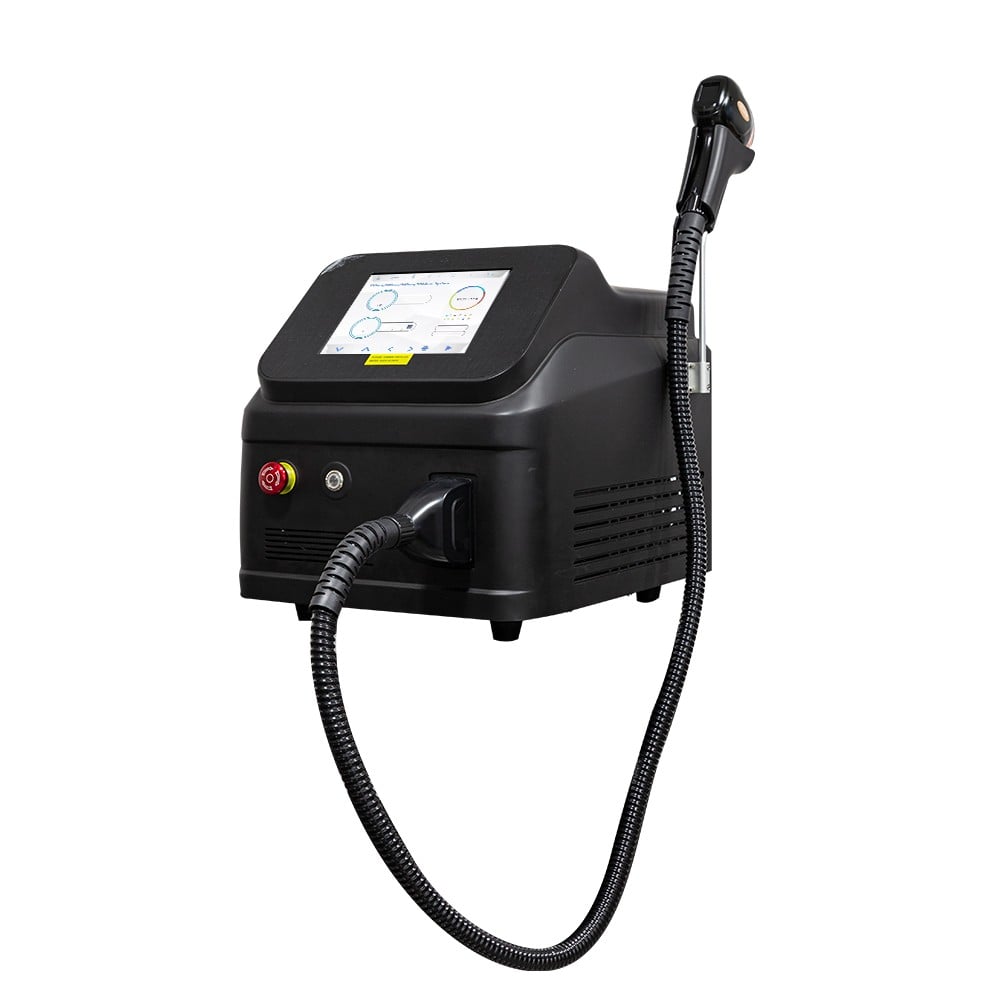
A pulse duration fault concerns the time energy is delivered during each pulse, not simply the selected fluence or treatment pace. Before resuming work, confirm the approved settings and operating conditions for the 808nm diode laser and the professional hair removal device. Never bypass a warning or open the unit to investigate internal components.
Write down the complete alert, when it appeared, and whether it followed startup, a setting change, or repeated firing. On a diode laser hair removal machine, that context can help a technician tell a repeatable control issue from a one-time interruption. Note the treatment mode, handpiece in use, and any changes in room or device conditions.
Check the manufacturer’s operating instructions for the exact meaning of the warning rather than assuming all systems use identical codes. A hair removal laser may report a pulse duration fault when a requested value falls outside its permitted range, while another alert may point to a different condition. For an 808nm diode laser, use the model-specific range and procedures.
Review the pulse duration value, treatment mode, and other selected parameters against the approved protocol. If a professional hair removal device rejects a value, restore a documented, permitted setting rather than repeatedly adjusting values to make the alert disappear. A diode laser hair removal machine should only be tested using manufacturer-approved steps.
If the warning followed a recent change, return to the last known approved configuration when the manual allows it, then observe whether the same alert returns. Record the result instead of relying on memory. A hair removal laser that repeatedly reports the same error under normal conditions needs escalation, not continued treatment or improvised recalibration.
Also consider whether the error appears with one handpiece, one mode, or every permitted configuration. Keep the professional hair removal device idle if the alert persists, and do not ask an operator to test it on a client. A consistent fault on an 808nm diode laser is useful diagnostic information for qualified service personnel.
Confirm that the unit has completed its normal startup sequence and that displayed status indicators show readiness. Inspect accessible connections and the handpiece exterior for visible damage, moisture, or an incomplete connection, following the manual. A hair removal laser should not be operated with damaged components or an unresolved safety warning.
Review cooling indicators and any water-flow or temperature notifications shown by the system. Do not assume a pulse duration warning is caused by cooling, but note whether another alert appeared at the same time. The 808nm diode laser must be used within its specified environmental and cooling conditions; consult the device instructions before restarting.
For a diode laser hair removal machine, use only external checks that are explicitly described as operator tasks. Do not remove panels, adjust internal components, or attempt electrical testing. If the device has a permitted shutdown and restart procedure, follow it once as directed, then record whether the message clears or returns.
When the manual permits a functional check, perform it in the specified manner and without a client present. Do not fire the handpiece merely to see whether the warning recurs unless the approved procedure calls for that test. The professional hair removal device should remain out of clinical use until its status is clear.
If an approved restart clears the alert, document the event and monitor the system according to local procedures before returning it to service. If the warning persists or quickly returns, stop troubleshooting at the operator level. A hair removal laser with a repeatable pulse duration error requires review by authorized technical support.
Share the recorded error, selected settings, startup conditions, and any related alerts with the technician. For the 808nm diode laser, include the model and handpiece details requested by the service team, but do not infer a component failure from the display alone. Clear records shorten the path to a safe, evidence-based diagnosis.
Avoid changing several parameters at once, because that obscures which condition preceded the warning. A diode laser hair removal machine needs a controlled process: compare the reported setting with the approved range, check only accessible conditions, and stop if the fault remains. This protects treatment records and makes the information more useful to service personnel.
Keep routine setup consistent, use current operator instructions, and make sure staff know where error guidance is stored. A hair removal laser is less likely to be misdiagnosed when operators record alerts promptly and avoid undocumented setting changes. Keep required maintenance and cooling checks within the schedule specified for the device.
Train operators to distinguish a normal adjustment from a warning that requires stopping. For a professional hair removal device, a clear handover should include the alert text, time, operating mode, and steps already taken. This prevents repeated resets or conflicting interventions by different staff members.
Check that treatment protocols use settings permitted by the device instructions and staff scope of practice. An 808nm diode laser should not be pushed beyond approved limits to compensate for a perceived treatment issue. Keeping configuration records current also helps identify whether an error began after a protocol or equipment change.
Maintain a service log that records recurring messages, shutdowns, and authorized repairs. A diode laser hair removal machine may show an intermittent issue that is difficult to reproduce during a single inspection, so dated notes about operating conditions are valuable. Preserve the original information rather than rewriting it from memory later.
Stop use when the warning persists, returns after an approved procedure, appears with other safety alerts, or accompanies unusual behavior. The hair removal laser should not be used on clients while a pulse duration fault remains unexplained. Follow workplace procedures for tagging or isolating equipment so another operator does not unknowingly restart it.
Contact authorized service support when operator-level checks do not resolve the alert, or whenever instructions direct you to seek assistance. Give the technician a concise timeline and avoid presenting a guess as a diagnosis. A professional hair removal device can return to use only after the required checks or repairs are completed and documented.
If the error appears during a busy schedule, do not let time pressure justify bypassing a safeguard. For an 808nm diode laser, follow the same stop-and-escalate process regardless of appointment demand. Arrange an alternative workflow that respects clinic policy while the equipment is being assessed.
Not automatically. Follow the device instructions and workplace process to determine whether the system is cleared for use. If the alert returns, or the manual calls for service, keep the diode laser hair removal machine out of operation and contact authorized support.
No. The cause may relate to a selected parameter, operating condition, sensor, or another system issue, and the display alone cannot confirm a failed part. For an 808nm diode laser, use model-specific guidance and let qualified personnel diagnose recurring faults.
Share the exact alert, when it occurred, approved settings in use, related warnings, and the operator-level steps already completed. Include relevant service history for the professional hair removal device, but do not open the unit or attempt internal repairs while gathering details.

