

 EN

how-transmitter-cap-design-shapes-output-in-shockwave-machines, how-transmitter-cap-design-shapes-output-in-shockwave-machines, /blog
EN
Transmitter cap design helps determine how a shockwave machine couples energy into tissue and where that energy is concentrated. Its shape, contact surface, and position relative to the applicator can affect the treatment field, so cap selection is part of output control rather than a cosmetic detail.
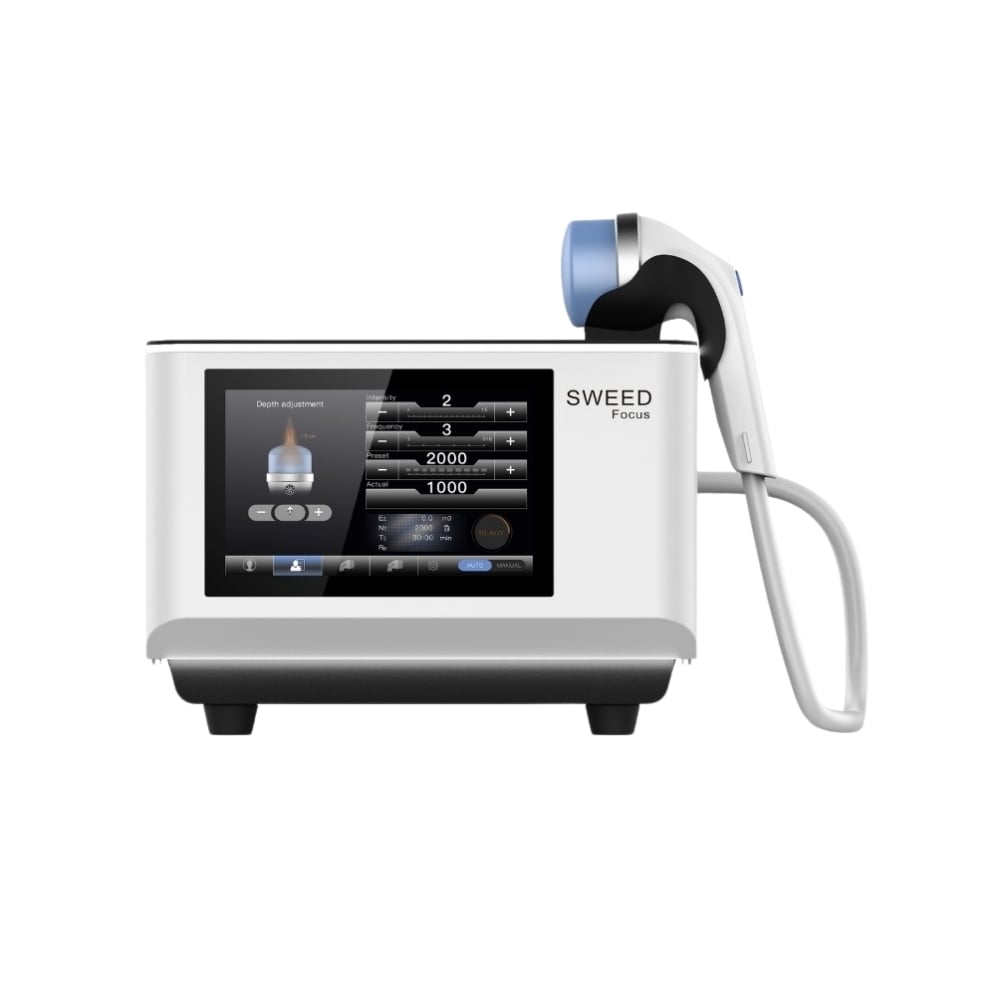
For a shockwave device used in clinical practice, a cap influences the interface between the applicator and the treatment area. Understanding that interface helps clinicians and equipment teams interpret output settings, maintain consistent contact, and select a configuration suited to physiotherapy shockwave protocols.
A cap creates the working surface that meets the patient, and its contour affects how evenly the applicator can sit against the body. On a shockwave unit, a broad, stable contact area can make positioning easier on flatter regions, while a more focused shape may be practical where access is limited. The cap does not create energy by itself; it helps establish the conditions under which the system transfers it.
If a cap rocks, bridges over a curved area, or touches only at an edge, coupling may become less consistent. That matters because a shockwave machine delivers pulses through a defined treatment interface. Staff should assess the intended body site, access angle, and required contact area before choosing a cap, then follow the equipment instructions for the approved configuration.
The size and shape of the contact face influence how precisely an operator can position the applicator. A smaller face can support access around a narrow treatment area, whereas a larger face may help maintain contact over a broader region. A shockwave device still depends on its internal design and settings, so cap dimensions should be considered alongside focal characteristics rather than treated as a stand-alone measure of intensity.
In physiotherapy shockwave sessions, the operator must balance access with repeatable placement. A cap that suits the anatomy can reduce the need to reposition between pulses and make the intended treatment area easier to locate. For the shockwave unit, that practical stability supports controlled delivery, but it does not justify changing prescribed parameters or assuming that a particular shape will produce a clinical outcome.
Energy transfer depends on the contact conditions at the treatment surface. Air gaps, uneven pressure, or an angle that prevents full seating can interfere with coupling, making technique important even when the equipment settings remain unchanged. A shockwave machine should be applied according to its operating guidance, with suitable coupling material where specified and steady contact that does not cause unnecessary discomfort.
The cap helps define how the applicator meets the patient, but it cannot compensate for poor positioning or unsuitable technique. During physiotherapy shockwave treatment, clinicians can check that the contact face is clean, correctly fitted, and aligned before beginning. These simple checks help a shockwave device operate under the conditions intended by its manufacturer and make repeated sessions easier to conduct consistently.
Focal depth describes where the system concentrates energy relative to the treatment surface; it is distinct from the cap’s external shape. A cap may affect access and contact, while the shockwave unit’s design and selected setting determine the relevant energy profile. Operators should therefore avoid inferring focal depth from appearance alone and consult the device specifications for approved combinations and adjustment ranges.
When a treatment site is deeper or difficult to reach, the operator needs to consider both the system’s focal options and the cap’s ability to maintain contact at the required angle. The shockwave machine should be configured within its documented limits, with the intended target and patient positioning guiding the setup. Cap selection is one part of that decision, not a substitute for clinical assessment.
A useful selection process begins with the site being treated, the available access angle, and the contact area needed for accurate placement. For physiotherapy shockwave applications, the operator should also consider the treatment protocol and any equipment guidance on compatible caps. A shockwave device used across different body regions may need more than one approved configuration to support consistent positioning.
Before use, confirm that the selected cap fits the applicator securely and provides suitable access without obstructing the operator’s view or control. The shockwave unit should only be used with compatible components, since an unapproved cap can alter the interface or create a fit problem. Recording the configuration used during a session can also help teams reproduce setup choices when treatment plans continue over multiple visits.
Routine inspection helps identify cracks, worn surfaces, loose fittings, or residue that could affect contact and hygiene. A shockwave machine cap should be cleaned and maintained according to the supplied instructions; staff should not improvise chemical treatments or repairs. Replacing a damaged component through the correct service process is safer than continuing with a cap whose fit or surface has changed.
Equipment checks are especially useful when a shockwave device is shared among clinicians or moved between rooms. Confirming the cap, connection, and contact surface before treatment makes setup less dependent on memory and supports a consistent workflow. In physiotherapy shockwave practice, these checks complement—not replace—operator training, patient assessment, and adherence to the prescribed treatment parameters.
Cap shape does not necessarily change the displayed setting, but it can influence contact and practical energy transfer. A shockwave machine should be used with a compatible cap, and operators should check device guidance rather than assuming shape alone changes output.
Consider access, anatomy, contact area, and the approved focal options. A shockwave device cap should fit securely, while a shockwave unit’s specified settings guide energy delivery. Physiotherapy shockwave protocols and the patient’s assessment should inform the final setup.
Replace a cap when inspection identifies damage, poor fit, or a surface that cannot be cleaned as directed. For a shockwave machine, follow the service instructions; do not use an incompatible shockwave device component. Check the shockwave unit guidance and physiotherapy shockwave workflow before returning equipment to use.

