

 EN

how-treatment-duration-affects-heat-accumulation-in-tecar-work, how-treatment-duration-affects-heat-accumulation-in-tecar-work, /blog
EN
Treatment duration is one of the main variables influencing heat accumulation during tecar therapy. A longer application can allow warmth to build, but the outcome also depends on energy settings, tissue characteristics, electrode movement, and the patient’s response. Understanding these factors helps clinicians manage deep heat therapy deliberately rather than treating minutes as a fixed recipe.
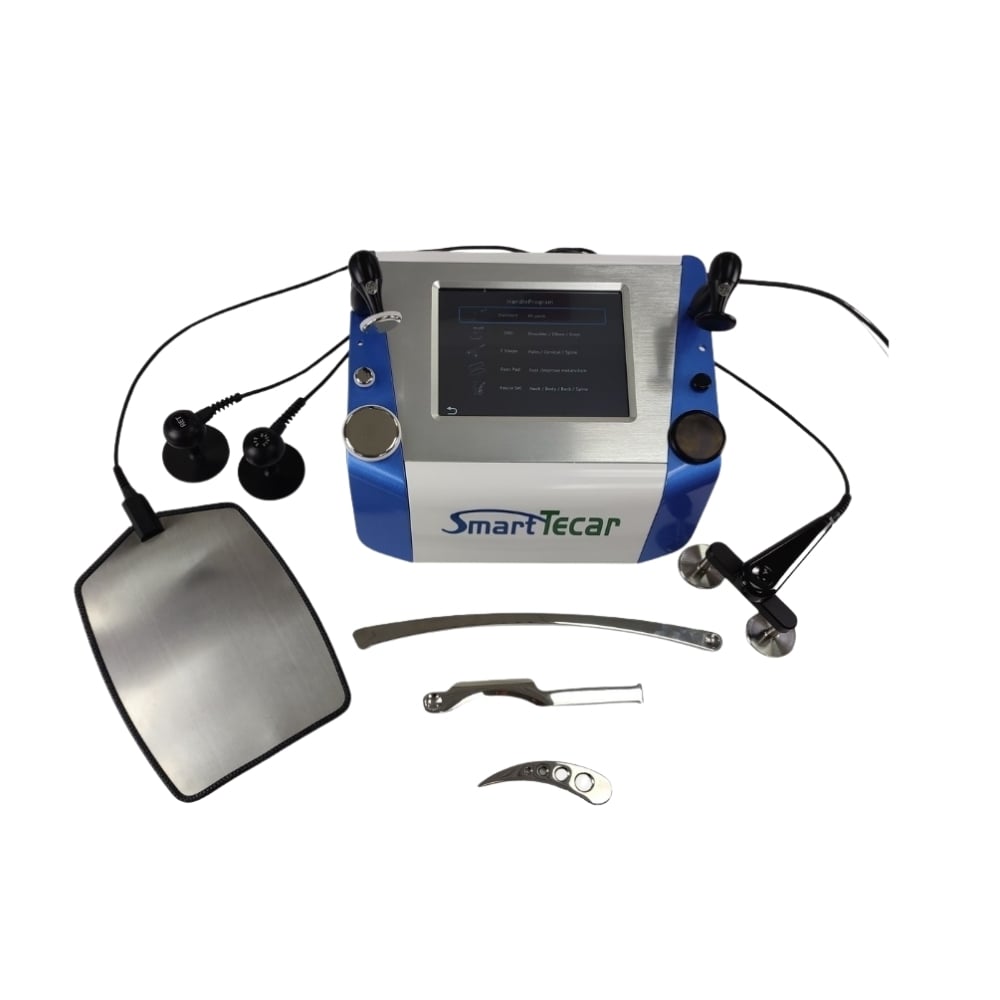
In practice, session time should be adjusted to the treatment area and the intended response. A capacitive resistive electric transfer system delivers energy through an applicator, while a radiofrequency therapy device allows the clinician to control delivery as treatment proceeds. The key is to monitor the changing sensation and tissue response throughout the application, not simply reach a predetermined duration.
During tecar therapy, energy delivery over time influences how warmth develops in the target area. Extending an application may increase cumulative exposure, particularly when the applicator remains over a small region. For deep heat therapy, duration therefore matters alongside intensity: a moderate setting maintained for longer can feel different from a brief application at a higher setting.
The relationship is not a simple timer-to-temperature calculation. Tissue composition, circulation, contact quality, and movement all affect how heat is perceived and dispersed. Clinicians using a radiofrequency therapy device should regard elapsed time as one part of their assessment, rather than as proof that a particular thermal response has been reached.
A broad treatment area distributes attention across more tissue, while concentrating application on one small location can increase local warmth more quickly. In capacitive resistive electric transfer, electrode contact and movement influence where energy is applied. Keeping the applicator moving at a controlled pace can help avoid excessive focus on one point during deep heat therapy.
Treatment duration should match the size and sensitivity of the area. A clinician may divide a longer session into regions, reassessing sensation as the applicator moves. This makes tecar therapy more responsive to real-time feedback and reduces reliance on a single fixed time that may not suit every body area or treatment goal.
Before treatment, clarify the intended outcome, target area, and patient tolerance. These considerations guide an initial duration and energy setting; they do not replace clinical judgment. With a radiofrequency therapy device, begin conservatively when response is uncertain, then assess whether the treatment can continue comfortably. The aim of deep heat therapy is a controlled experience, not heat at any cost.
In capacitive resistive electric transfer, clinicians can adjust the session as feedback emerges. A patient’s report of warmth, discomfort, or changing sensation provides useful information, alongside observation of the treatment area. During tecar therapy, pause or modify the application if the response becomes unexpected, rather than continuing only because the planned number of minutes has not elapsed.
A timer can support consistency, but it cannot account for every difference in tissue or tolerance. Check in during treatment and consider whether warmth is developing evenly. A radiofrequency therapy device should be operated according to its instructions and the practitioner’s training, with settings and duration adapted to the person rather than copied automatically from another session.
Record the area treated, approximate duration, settings, and patient response when documentation is appropriate. This helps clinicians compare sessions and make reasoned adjustments. For deep heat therapy, gradual changes are easier to evaluate than changing several variables at once. Capacitive resistive electric transfer is most useful when delivery remains attentive and responsive throughout the session.
A larger muscle group may need a different application plan from a small, sensitive area. Account for the size of the target, the patient’s comfort, and whether the applicator can be moved consistently. In tecar therapy, this area-based approach helps make treatment time meaningful. A longer session may be appropriate in some contexts, but it should not be assumed to suit every person.
Patients may experience warmth differently because of individual sensitivity, the condition of the tissue, and the treatment position. In capacitive resistive electric transfer, keep communication open and explain that the patient should report discomfort promptly. That feedback matters more than completing a preset interval, especially when the treatment involves deep heat therapy or a sensitive region.
After treatment, consider how the patient tolerated the duration and whether the response matched the goal. Changes to time should be deliberate and documented where useful. When tecar is incorporated into a broader rehabilitation plan, session duration should complement other interventions and the patient’s overall workload, rather than being treated as an isolated measure of treatment quality.
A radiofrequency therapy device provides a way to deliver treatment, but the clinician remains responsible for selecting and monitoring the application. Follow device guidance, clinical protocols, and relevant contraindications. Capacitive resistive electric transfer does not make longer exposure automatically better; careful observation and suitable adjustment help keep deep heat therapy aligned with individual needs.
Not necessarily. Duration can affect cumulative energy exposure, but settings, applicator movement, tissue, and circulation also influence perceived warmth. During tecar therapy, monitor the response rather than assuming that more time will produce a better result. Adjust or stop if the patient reports discomfort or the response is unexpected.
Consider the goal, area size, sensitivity, device instructions, and patient feedback. In capacitive resistive electric transfer, begin with a suitable plan and reassess during the application. A radiofrequency therapy device should be used by trained practitioners who can modify the session when comfort or tissue response calls for a change.
No. Suitability depends on the patient, treatment area, clinical purpose, and applicable precautions. A clinician should screen appropriately and follow device guidance before providing deep heat therapy. Duration should be selected only after considering those factors, then adjusted in response to the patient throughout the session.

