

 EN

hydrafacial-equipment-buying-guide-for-beauty-salon-owners-and-distributors, hydrafacial-equipment-buying-guide-for-beauty-salon-owners-and-distributors, /blog
EN
Buying hydrafacial equipment is a business decision as much as a treatment-room decision. Salon owners and distributors should assess the intended client, service-menu fit, staff capability, operating costs, and after-sales support before comparing configurations. A clear process helps distinguish useful functions from features that may not suit the business.
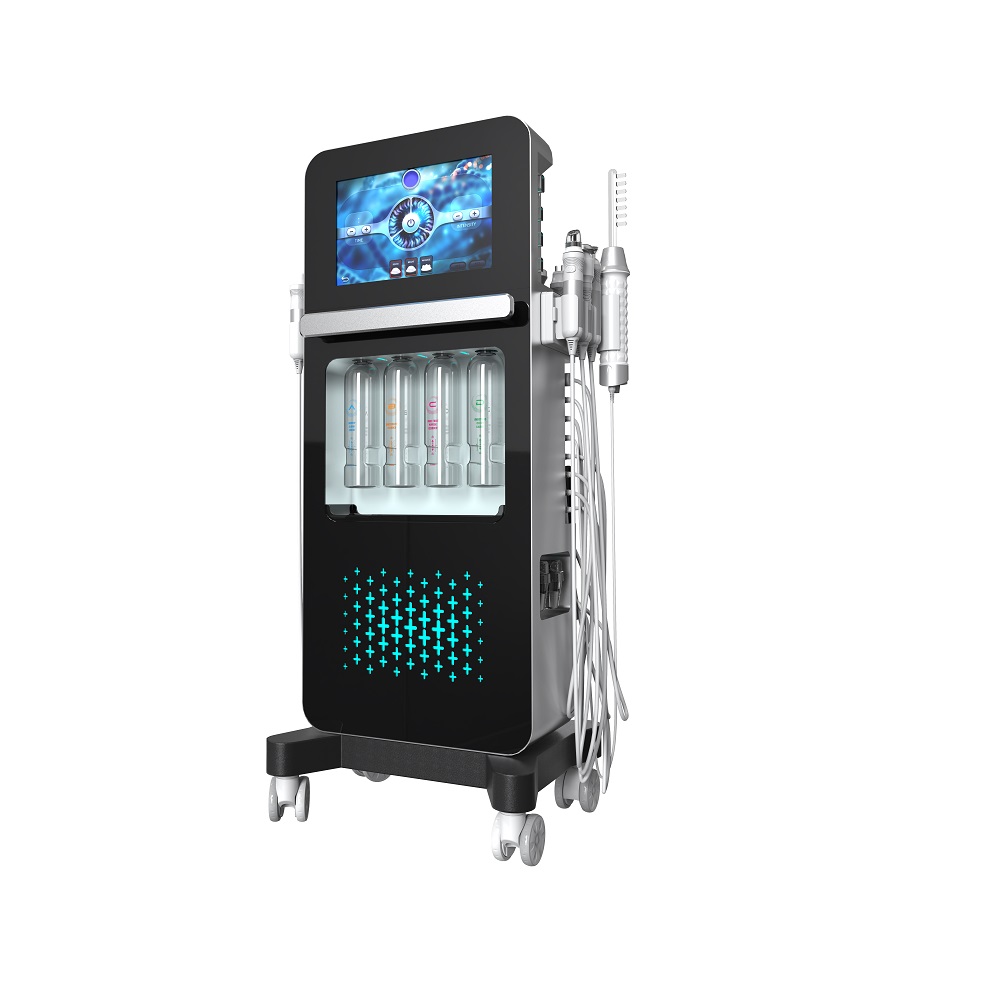
This guide focuses on choosing equipment for a salon or distribution portfolio, not on finding a universal specification. Consider the role of a hydrafacial service alongside other offerings, including a diode laser hair removal machine, fractional co2 laser, ipl machine, or endolift laser. These examples help frame investment priorities; they are different technologies, not substitutes for facial-care equipment.
Start with the clients you serve and the treatments they request. A hydrafacial service may complement a skincare program, but projected demand should come from booking history, consultations, and local service patterns rather than assumptions. A salon that already operates a diode laser hair removal machine, fractional co2 laser, ipl machine, or endolift laser should also check whether clients are asking for an additional facial option.
Clarify the intended appointment length, treatment frequency, and staff coverage before selecting a model. These details shape daily capacity and room scheduling. If the diode laser hair removal machine, fractional co2 laser, ipl machine, or endolift laser already occupies key treatment time, consider whether the new service can be scheduled without disrupting established bookings.
Estimate total ownership costs, not only the purchase price. Include consumables, maintenance, training time, installation needs, and any service agreement expenses you can verify. Compare the likely utilization of a hydrafacial unit with investments such as a diode laser hair removal machine, fractional co2 laser, ipl machine, or endolift laser, using the same assumptions for staffing and booking availability.
Build a conservative utilization scenario using realistic appointment volume and room availability. A device that fits the budget can still be a poor operational fit if it requires more staff time than the salon can provide. Apply the same planning discipline to the diode laser hair removal machine, fractional co2 laser, ipl machine, and endolift laser when reviewing other equipment commitments.
Ask what each included function is intended to do and how it fits a documented treatment workflow. Request clear explanations of controls, consumables, maintenance points, and contraindications from the equipment provider. When a salon also uses a diode laser hair removal machine, fractional co2 laser, ipl machine, or endolift laser, keep each device’s protocols and staff qualifications distinct.
Do not treat a long feature list as proof of value. Map each function to a client need, a staff skill, and a practical appointment process. This test can reveal whether a hydrafacial configuration supports the treatments you plan to offer, just as a diode laser hair removal machine, fractional co2 laser, ipl machine, or endolift laser should be evaluated against its own intended use.
Confirm the equipment’s footprint, power requirements, storage needs, and movement between rooms. Ask how staff will prepare the workstation, handle consumables, clean applicable surfaces, and document treatment settings. These practical checks matter whether the room contains hydrafacial equipment, a diode laser hair removal machine, a fractional co2 laser, an ipl machine, or an endolift laser.
Before purchase, arrange a demonstration or training plan where available. Staff should understand setup, routine checks, safe operation, and escalation steps for problems. Training should address the selected hydrafacial model specifically; familiarity with a diode laser hair removal machine, fractional co2 laser, ipl machine, or endolift laser does not automatically qualify an operator for another device.
Request operating instructions, maintenance guidance, warranty terms, and details of technical support in writing. Confirm who handles troubleshooting, how service requests are submitted, and whether replacement parts or consumables are available on terms that suit your location. Apply those checks to hydrafacial equipment and to any diode laser hair removal machine, fractional co2 laser, ipl machine, or endolift laser in the same purchasing review.
For distributors, documentation also supports product education and customer onboarding. Establish a process for explaining intended use, routine care, and the limits of what staff should promise. A distributor handling a diode laser hair removal machine, fractional co2 laser, ipl machine, or endolift laser should keep specifications and training materials specific to each category rather than reusing generic claims.
Prepare the room, define staff responsibilities, and agree on how the service will be introduced to clients. Track appointment demand, consumable use, staff feedback, and maintenance issues during the initial operating period. This information helps determine whether the hydrafacial service meets its intended role and whether a diode laser hair removal machine, fractional co2 laser, ipl machine, or endolift laser should be prioritized in a separate investment cycle.
A sound decision links equipment capability to real business conditions. Use written selection criteria, verify all costs and support terms, and give staff time to learn the workflow before expanding promotion. Owners comparing a hydrafacial unit with a diode laser hair removal machine, fractional co2 laser, ipl machine, or endolift laser should assess each purchase on its own client demand, operating requirements, and readiness.
Begin with client demand, intended treatments, staffing, room capacity, and a realistic ownership-cost estimate. Then verify functions, training, documentation, maintenance expectations, and support terms against that business case.
Not necessarily. Suitability depends on the services the salon intends to offer, staff capability, available space, and the usefulness of each function. Evaluate the workflow and costs rather than assuming that more features will improve utilization.
Distributors can provide clear specifications, operating documentation, training details, and written support terms. They should help buyers assess fit for their own clients and operations without making unsupported treatment or business outcome claims.

