

 EN

ipl-skin-rejuvenation-vs-pigment-clearing-plan-differences, ipl-skin-rejuvenation-vs-pigment-clearing-plan-differences, /blog
EN
Planning IPL skin rejuvenation and pigment clearing requires more than choosing a treatment name. Both use filtered light, but the desired outcome, skin assessment, treatment area, and follow-up plan differ. An ipl machine may support either pathway when a qualified professional selects suitable parameters. Understanding the distinction helps clinics set realistic expectations and organize consultations around the client’s main concern.
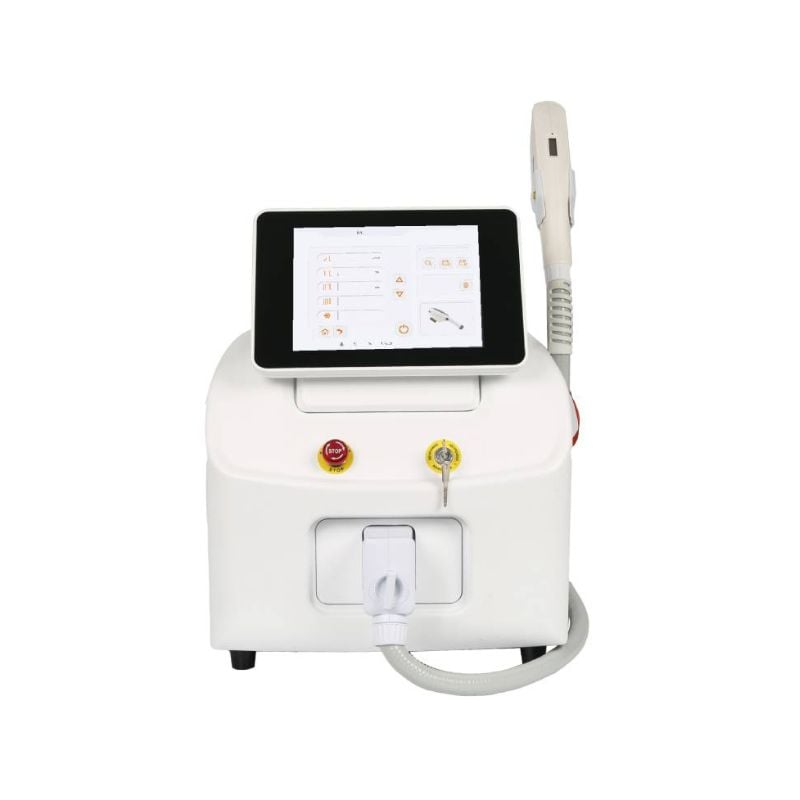
The practical difference is the treatment objective. Skin rejuvenation usually addresses a broader collection of visible concerns, while pigment clearing focuses on selected areas of unwanted brown discoloration. A clinic using an intense pulsed light device should therefore establish the concern first, then plan assessment, settings, session spacing, and aftercare around that goal. The equipment does not replace diagnosis or sound screening.
A skin rejuvenation plan is typically framed around an overall improvement in visible tone and texture, rather than removal of one isolated mark. The practitioner may discuss diffuse redness, uneven tone, sun-related changes, or several concerns together. A skin rejuvenation device can be considered when the client’s needs and skin characteristics suit light-based care, but the intended result should be specific enough to guide a measured plan.
Pigment clearing has a narrower target: selected pigmented areas that have been assessed as appropriate for treatment. The consultation should identify the location, appearance, history, and likely cause of each concern, since not every dark spot is suitable for cosmetic light treatment. Photorejuvenation equipment may offer configurable treatment options, yet a device cannot determine whether a mark is benign. Uncertain or changing lesions call for clinical assessment before any procedure.
The treatment map follows the objective. For broader rejuvenation, a practitioner may plan coverage across a defined facial or body area and discuss gradual changes across several visits. For pigment clearing, the plan may concentrate on selected spots or a region with more uniform discoloration. An ipl machine should be used according to the intended coverage, not simply because a client asks for a general brightening result.
Explain that response can vary with pigment depth, skin tone, exposure history, and individual healing. An intense pulsed light device delivers selected wavelengths through filters and settings, but treatment outcomes are not identical from person to person. A skin rejuvenation device supports a treatment process, not a guaranteed outcome. Clear consultation notes help clients understand whether the plan prioritizes overall appearance or a specific pigment concern.
Before either plan begins, review skin type, recent tanning or sun exposure, medical and treatment history, medications that may affect light sensitivity, and the area being considered. The practitioner should also check for contraindications and explain protective measures. An ipl machine is only one part of this process; screening helps determine whether light treatment is appropriate and whether a different clinical route is needed.
The choice of filter and energy parameters depends on the client, target, and device instructions. Rejuvenation plans may address several chromophores or concerns, so the practitioner needs a clear priority rather than a one-size-fits-all setting. With pigment clearing, the target and surrounding skin require careful consideration. Photorejuvenation equipment should be operated by trained personnel who follow its instructions and applicable practice standards.
A broad-area plan should record the boundaries of treatment and the concerns being addressed, such as diffuse discoloration or visible redness. A focused plan should document the selected pigment sites and how they will be reviewed. An intense pulsed light device may be used in either approach, but the treatment pattern, test procedures where appropriate, and review criteria should follow professional judgment and device guidance.
Photographs taken under consistent lighting can support a fair comparison at follow-up, provided the client has consented and records are handled appropriately. The clinic should note settings, treatment areas, client response, and any aftercare guidance. A skin rejuvenation device does not remove the need for documentation; consistent records help the practitioner decide whether the plan remains suitable, needs adjustment, or should stop.
Neither pathway should be scheduled as an automatic series without reviewing the client’s response. Allow the skin to recover in line with professional guidance and the device protocol, then assess visible changes before deciding on another visit. An ipl machine treatment plan should account for individual tolerance, treatment area, and the reason for care. Avoid promising a fixed number of sessions before the initial assessment.
For pigment clearing, review whether the selected areas are changing as expected and whether new concerns have appeared. For rejuvenation, consider the broader pattern of tone, redness, or texture rather than judging only one spot. A skin rejuvenation device may be part of a staged plan, but a practitioner should reassess suitability and priorities at each visit instead of continuing by habit.
Aftercare should be explained before treatment, including relevant sun protection, skin care precautions, and the signs that warrant contacting the clinic. Instructions need to match the procedure and the individual rather than rely on a generic promise of rapid recovery. An intense pulsed light device can be used responsibly only when clients understand how to care for the treated area and when to seek professional advice.
The final consultation should revisit the original goal and compare it with documented progress. If pigment remains, the practitioner can assess whether another session is appropriate or whether the diagnosis or approach needs reconsideration. For broader rejuvenation, discuss which concerns have changed and which remain. Photorejuvenation equipment supports treatment delivery, while professional review keeps the plan responsive and grounded in observed results.
Sometimes concerns overlap, but the practitioner should rank priorities and confirm that each target is suitable. An ipl machine plan can be staged so assessment and review guide any shift between goals. An intense pulsed light device does not make every concern appropriate for combined treatment.
The screening foundations are similar, but the target assessment differs. A skin rejuvenation device may be considered for broader visible concerns, while pigment clearing requires careful evaluation of specific marks. Photorejuvenation equipment should never substitute for assessment of uncertain lesions.
Describe the planned target, likely review points, possible variation, and aftercare without promising a particular result. Explain how the intense pulsed light device fits the selected pathway, document the goal, and reassess at follow-up. A transparent plan supports informed decisions.

