

 EN

ipl-vs-laser-hair-removal-wavelength-and-result-differences, ipl-vs-laser-hair-removal-wavelength-and-result-differences, /blog
EN
IPL and laser hair removal both use light to target pigment in hair follicles, but they are not the same technology. An ipl machine emits a range of wavelengths, while a hair-removal laser delivers a narrower band. That difference affects how energy reaches the follicle, how settings are selected, and which clients may be suitable.
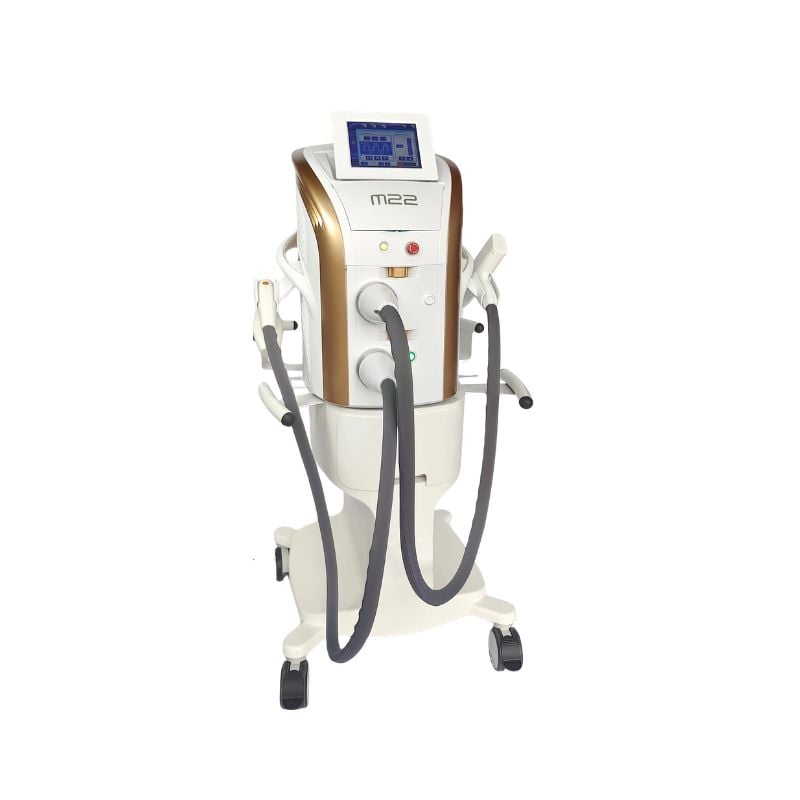
The practical comparison is not simply which technology is stronger. Wavelength, pulse delivery, skin and hair contrast, treatment area, and operator settings all influence the outcome. Understanding how an intense pulsed light device differs from a laser helps clinics explain expected hair reduction clearly and select equipment that fits their service mix, including settings intended for a skin rejuvenation device or photorejuvenation equipment.
IPL produces a broad spectrum of light rather than one discrete wavelength. Filters restrict the emitted range for a treatment purpose, and the selected range influences which chromophores absorb the energy. An ipl machine therefore depends on appropriate filter and parameter choices; an intense pulsed light device is not interchangeable with a laser simply because both use light and target follicular pigment.
In hair reduction, melanin in the hair shaft and follicle absorbs light and converts it into heat. The objective is to heat the target while limiting unwanted heating of surrounding skin. A skin rejuvenation device may use different filters and settings for visible pigmentation or vascular concerns, while photorejuvenation equipment is configured around controlled light exposure rather than hair reduction alone.
A laser typically emits a narrow, defined wavelength, which can provide more selective targeting of a chosen chromophore. The best wavelength depends on the application and the client’s skin characteristics. An ipl machine instead offers a filtered band, so its operating range is broader; photorejuvenation equipment may use that flexibility for multiple indications, but each indication still requires suitable settings.
Neither approach removes the need for assessment. Skin tone, recent tanning, hair color, hair thickness, and treatment location influence how energy is absorbed and what settings are appropriate. An intense pulsed light device may require careful filter selection to manage the range of light delivered, and a skin rejuvenation device should be used within its intended protocols rather than treated as a universal platform.
Because follicles cycle through growth phases, light-based hair reduction generally requires a series of appointments rather than one exposure. An ipl machine and a laser both work best when treatment timing gives a suitable proportion of follicles access to the target. The actual schedule varies by body area, hair cycle, treatment response, and clinical protocol, so photorejuvenation equipment does not create a one-session shortcut.
Results are influenced by contrast between the hair pigment and the surrounding skin. Darker, coarser hair often provides a more visible target than fine, light-colored hair, while darker or tanned skin can require particular caution. An intense pulsed light device delivers a band of wavelengths, so the operator must consider absorption and safety; a skin rejuvenation device does not eliminate these individual differences.
Clients may notice slower regrowth or reduced density over a course, but response is individual and maintenance may be needed. An ipl machine can support a hair-reduction service when the device, treatment parameters, and client profile align. It is important to distinguish reduction from guaranteed permanent removal, and photorejuvenation equipment should not be presented as producing identical results for every hair type or treatment area.
Comfort depends on the treatment area, energy settings, cooling, and personal sensitivity, not wavelength alone. An intense pulsed light device may deliver pulses over a broader spectral band, but that does not by itself predict a more comfortable session. A skin rejuvenation device may include separate controls for other light-based applications; operators should explain the relevant settings and aftercare for each treatment.
For a clinic focused on hair reduction, compare the wavelength options, filters, pulse controls, cooling approach, and supported treatment protocols. An ipl machine may suit a practice that also plans to offer selected light-based skin services, but a broad service range is useful only when staff can operate each application competently. Photorejuvenation equipment should be evaluated for the specific indications the clinic intends to provide.
Review the intended client population before selecting a platform. Skin tone range, hair characteristics, treatment areas, room workflow, and staff training all matter. An intense pulsed light device may offer selectable filters, while a laser system uses its particular wavelength architecture; neither description alone establishes suitability. A skin rejuvenation device should also have clear operating guidance for each advertised application.
Before treatment, practitioners should assess medical and skin history, tanning, medications that may affect photosensitivity, and the treatment area. An ipl machine requires adherence to its instructions, protective eyewear, appropriate test procedures where indicated, and careful parameter selection. Photorejuvenation equipment used for another indication needs its own assessment and protocol, even when the same platform supports multiple services.
Compare practical requirements such as staff competency, maintenance, consumables, documentation, and the time needed for a full appointment. An intense pulsed light device may have different operating steps from a laser, so training should cover wavelength selection and safe use rather than controls alone. A skin rejuvenation device or photorejuvenation equipment should fit the clinic’s workflow without encouraging treatment beyond staff expertise.
No. IPL uses a filtered range of wavelengths, while a laser generally emits a narrower wavelength band. Both can target follicular pigment, but an ipl machine and an intense pulsed light device have different energy delivery characteristics from a laser. Suitability and results depend on assessment, device settings, and treatment consistency.
There is no universal answer because results depend on the person, hair, skin, device, and protocol. A skin rejuvenation device is not automatically the right choice for hair reduction, and photorejuvenation equipment may serve distinct purposes. Compare the intended wavelength and operating guidance with the clinic’s client needs before making a decision.
Some platforms support other light-based applications, but the filters, settings, and protocols must match the intended treatment. An ipl machine should only be used for applications covered by its instructions and operator training. Photorejuvenation equipment and an intense pulsed light device require appropriate client screening, protective measures, and realistic explanations of likely outcomes.

