

 EN

low-vs-high-intensity-energy-levels-in-focused-shockwave-therapy, low-vs-high-intensity-energy-levels-in-focused-shockwave-therapy, /blog
EN
Low and high intensity in focused shockwave therapy describe different levels of delivered energy, not two universally fixed treatment plans. The appropriate level depends on the condition, treatment target, patient tolerance, and clinical objective. For orthopedic rehabilitation teams, understanding the distinction helps connect a treatment setting with a reasoned care plan rather than choosing intensity by habit.
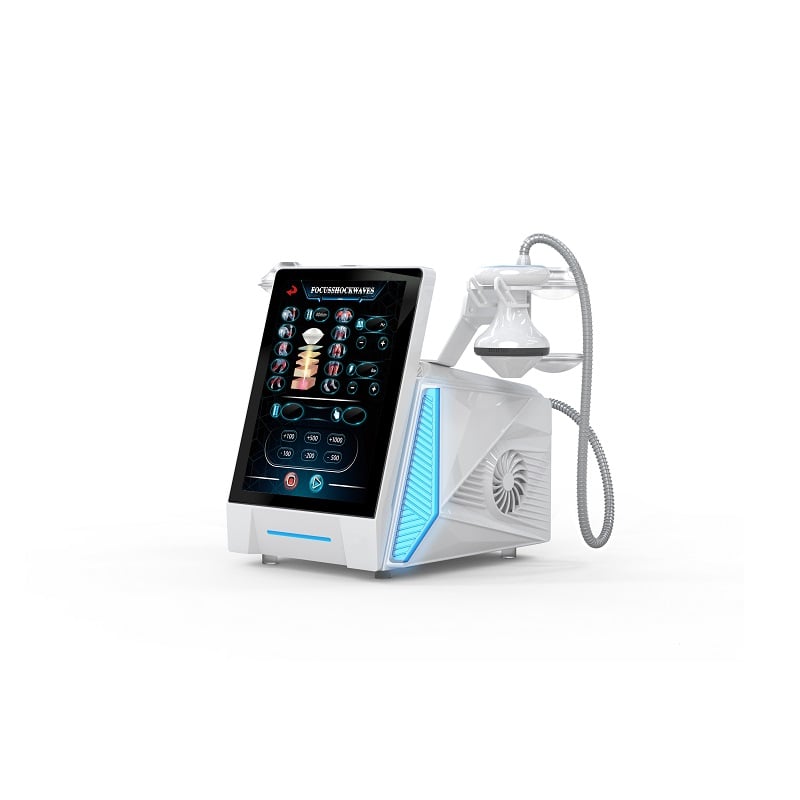
In practice, intensity is only one part of the decision. A clinician also considers the target tissue, focus depth, treatment area, session spacing, and response over time. A focused shockwave device can provide a way to deliver energy to a defined target, while the broader extracorporeal shockwave approach still requires a patient-specific protocol.
Low intensity generally refers to a lower energy setting within the device’s available range. In focused shockwave therapy, a clinician may consider this approach when introducing treatment, when sensitivity is a concern, or when assessing how a patient responds. It does not mean that treatment is automatically comfortable or suitable for every presentation, and extracorporeal shockwave parameters still need clinical judgment.
A lower setting can be useful as a measured starting point, particularly when the target area is irritable or the patient has limited treatment tolerance. With a focused shockwave device, the clinician should verify the selected parameters and placement rather than assuming that a lower number guarantees a predictable effect. In orthopedic rehabilitation, progress is judged alongside function, symptoms, and the wider exercise plan.
High intensity means a higher energy level, but it is not a shortcut to better results. Focused shockwave therapy at a higher setting may be considered when the clinical rationale supports a stronger stimulus and the patient can tolerate it. Extracorporeal shockwave treatment must still account for tissue target, dose, and individual response; the setting alone does not define treatment quality.
Before increasing energy, a clinician can review the diagnosis, location, sensitivity, and response to earlier sessions. A focused shockwave device may offer adjustable parameters, but the operator must use its instructions and an appropriate protocol. In orthopedic rehabilitation, higher intensity should fit the overall plan and not replace graded loading, movement practice, or other indicated care.
The first decision is what the session is intended to address. For focused shockwave therapy, the target may be a specific region identified during assessment, while treatment goals can include supporting a broader rehabilitation strategy. Extracorporeal shockwave is not a single uniform dose, so the clinician should define the intended target and explain why a particular intensity is being considered.
Assessment also helps distinguish a planned treatment response from an unwanted reaction. When selecting settings on a focused shockwave device, practitioners consider energy alongside focus, applicator positioning, treatment area, and session timing. In orthopedic rehabilitation, intensity should be reviewed in context with activity demands and concurrent interventions, rather than selected from a generic rule detached from the patient’s presentation.
A sensible workflow begins with assessment, a documented treatment rationale, and parameter selection within the device instructions. Focused shockwave therapy can then be adjusted over time according to the patient’s response and the clinician’s reassessment. Extracorporeal shockwave decisions should not be based only on whether a patient reports immediate discomfort, since short-term sensation is not the sole measure of suitability.
Practitioners can record the treated location, settings, tolerance, and relevant functional changes to support consistent follow-up. A focused shockwave device should be operated by trained personnel who understand its controls and safety guidance. In orthopedic rehabilitation, this record makes it easier to discuss whether the current approach remains appropriate, should be modified, or needs broader reassessment.
Intensity decisions have practical meaning only when connected to the patient’s goals and the rest of care. Focused shockwave therapy may be included alongside exercise or other clinically indicated measures, but it should not be treated as a substitute for an individualized plan. Extracorporeal shockwave protocols require attention to contraindications, informed consent, and the treatment area before each session.
For a patient returning to demanding work or sport, the clinician can relate symptom response to task-specific movement and loading. The focused shockwave device setting is one recorded element, not a complete account of the session. Within orthopedic rehabilitation, clear communication helps patients understand why intensity may remain stable, change gradually, or be reconsidered after reassessment.
Patients should know that sensation during treatment can vary, and that the clinician may pause or modify a session based on tolerance and safety. Focused shockwave therapy should follow appropriate professional training and device guidance. Extracorporeal shockwave care also benefits from a clear explanation of the treatment objective, likely sequence, and signs that should prompt contact with the care team.
Progress is best reviewed through relevant outcomes, such as function, activity tolerance, and the patient’s reported experience, interpreted over an appropriate period. A focused shockwave device cannot determine whether the plan is working; clinical review does that. In orthopedic rehabilitation, the useful question is whether the selected intensity remains aligned with the objective and the person’s overall response.
No. Tolerance varies with the person, target, and session. A clinician can adjust focused shockwave therapy settings if appropriate, while following device guidance. Extracorporeal shockwave still calls for monitoring, and a focused shockwave device does not remove the need to check response. In orthopedic rehabilitation, comfort is considered with safety and treatment goals.
Not necessarily. Higher intensity is not automatically more effective or appropriate. Focused shockwave therapy settings should follow clinical reasoning, patient tolerance, and device instructions. Extracorporeal shockwave planning considers the target and full protocol, while a focused shockwave device is only one part of delivery. Orthopedic rehabilitation outcomes require broader review, not assumptions about intensity alone.
A clinician may reconsider intensity after reassessing the treatment goal, tolerance, and relevant progress. Focused shockwave therapy should be modified only when the rationale and safety guidance support a change. Extracorporeal shockwave parameters need review alongside treatment placement, and focused shockwave device instructions remain essential. Orthopedic rehabilitation should guide the decision in context, rather than a preset expectation.

