

 EN

optimizing-client-expectations-before-fat-freezing-treatment-courses, optimizing-client-expectations-before-fat-freezing-treatment-courses, /blog
EN
Optimizing client expectations before a course of cryolipolysis starts with a clear explanation of what treatment can and cannot do. Clients should understand that cryolipolysis treatment is intended for localized contouring, not general weight loss, and that visible change is gradual. Discussing the process before booking helps people make informed decisions and reduces the risk of disappointment later.
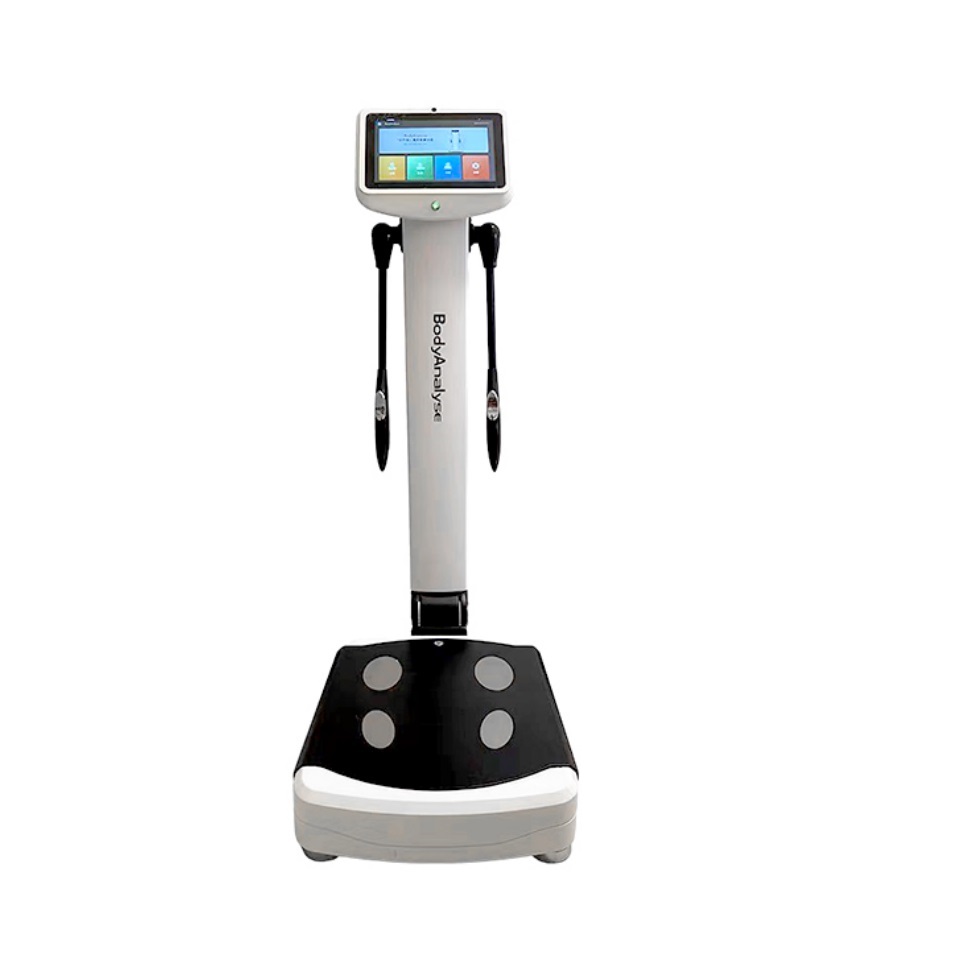
A useful consultation connects the client’s goals with a realistic plan, including candidacy, session spacing, possible responses, and follow-up. Explain how the clinic uses a cryolipolysis machine and what clients may experience during an appointment. When the conversation also covers a fat freezing device and the clinic’s wider body contouring equipment, clients can distinguish treatment planning from promises of a particular result.
Begin by asking what the client hopes to change and which area concerns them most. Explain that cryolipolysis treatment addresses selected pockets of subcutaneous fat, while diet, activity, and overall health remain relevant to body weight. A fat freezing device is not a substitute for weight management, and body contouring equipment does not make every body shape or concern suitable for the same approach.
Use consultation measurements and observations to establish a baseline rather than relying only on a client’s memory or a single photograph. A cryolipolysis machine may support a planned application, but it cannot guarantee a precise aesthetic outcome. Invite clients to describe what would feel like a worthwhile change, then record that goal in neutral, specific language that can be revisited after treatment.
Clients often expect an immediate difference, so explain that changes may take time to become noticeable and that response varies. Discuss the proposed cryolipolysis treatment course, including the rationale for any planned sessions and review appointments. Body contouring equipment should be selected and used according to the clinic’s protocol, not as a reason to imply that additional sessions will necessarily produce a better result.
Describe the appointment itself and set expectations for possible temporary sensations or skin changes, referring to the device instructions and clinical guidance. The cryolipolysis machine is one part of a care process that includes assessment, application, and follow-up. A fat freezing device does not make the client’s individual response predictable, so avoid fixed promises about when results will appear or how much change will occur.
Before scheduling, take a thorough history and assess the treatment area using the clinic’s established screening procedure. Explain that the cryolipolysis machine is appropriate only when the client meets the relevant criteria and that some health conditions or local concerns may require postponement or another option. A fat freezing device should never replace an individual assessment or the manufacturer’s instructions.
Invite clients to share relevant medical information, previous procedures, sensitivities, and concerns. Explain how the clinic determines suitability and what information may lead to referral or a decision not to proceed. When discussing cryolipolysis treatment, make clear that body contouring equipment has specific operating instructions and limitations; staff training and consistent screening are essential to responsible service delivery.
Set out what will be documented before treatment, such as the client’s stated goals, baseline measurements, treatment area, and consent. Explain how images are stored and used, and obtain permission before taking or sharing them. A cryolipolysis machine should be used within the clinic’s documented workflow, while a fat freezing device must be checked and prepared in line with its applicable operating guidance.
Give clients practical appointment information in advance, including expected visit length, clothing considerations, and whom to contact with questions. Avoid suggesting that body contouring equipment removes the need for normal clinical checks. Clients should know that cryolipolysis treatment may be adjusted, deferred, or stopped if assessment findings or comfort during the visit call for a change.
At each visit, confirm the agreed area and review any changes in health or expectations. Explain the planned steps before application, and check understanding before proceeding. Consistent use of the cryolipolysis machine and clear records make it easier to explain what was performed. Body contouring equipment should be operated by trained personnel following the clinic’s protocol and device instructions.
Encourage clients to report discomfort or questions during the appointment instead of enduring uncertainty. Revisit the aftercare guidance and explain which responses are expected and which require contact with the clinic. A fat freezing device may be familiar from advertising, but a client’s experience depends on their own circumstances and the actual procedure. Keep cryolipolysis treatment explanations factual and individualized.
Use scheduled follow-up to compare current observations with the baseline and the goals documented at consultation. Explain that a review is an opportunity to assess progress, discuss concerns, and consider whether the original plan remains appropriate. It is not a guarantee that body contouring equipment will produce a particular change, nor an automatic recommendation for another session.
If the client is dissatisfied, listen carefully, review the record, and discuss realistic next steps without minimizing their concern. Explain when a clinical assessment is appropriate and when expectations may need to be reset. A cryolipolysis machine cannot resolve every contour concern, and a fat freezing device should not be presented as a universal solution. Clear follow-up protects trust and supports informed choices.
Use measured, conditional language. Explain the purpose and limits of cryolipolysis, discuss individual variation, and avoid guarantees. A cryolipolysis machine supports a procedure, but body contouring equipment does not determine a fixed result for every client.
No. Suitability and the proposed plan should follow an individual assessment, the client’s goals, and applicable device guidance. A fat freezing device is not appropriate for every concern, and cryolipolysis treatment should be reconsidered if screening or later review raises concerns.
Set a review timeframe, explain how progress will be assessed, and tell clients how to contact the clinic with concerns. Keep the discussion consistent with the cryolipolysis machine instructions and documented care plan, while avoiding promises about the final appearance.

