

 EN

optimizing-diode-laser-schedules-for-highvolume-laser-clinics, optimizing-diode-laser-schedules-for-highvolume-laser-clinics, /blog
EN
High-volume clinics need schedules that protect treatment quality while making effective use of rooms, staff, and operating hours. A diode laser hair removal machine can support a full appointment book, but throughput depends on more than the device’s available treatment settings. A workable schedule accounts for consultation, preparation, treatment, room reset, and the variation between clients.
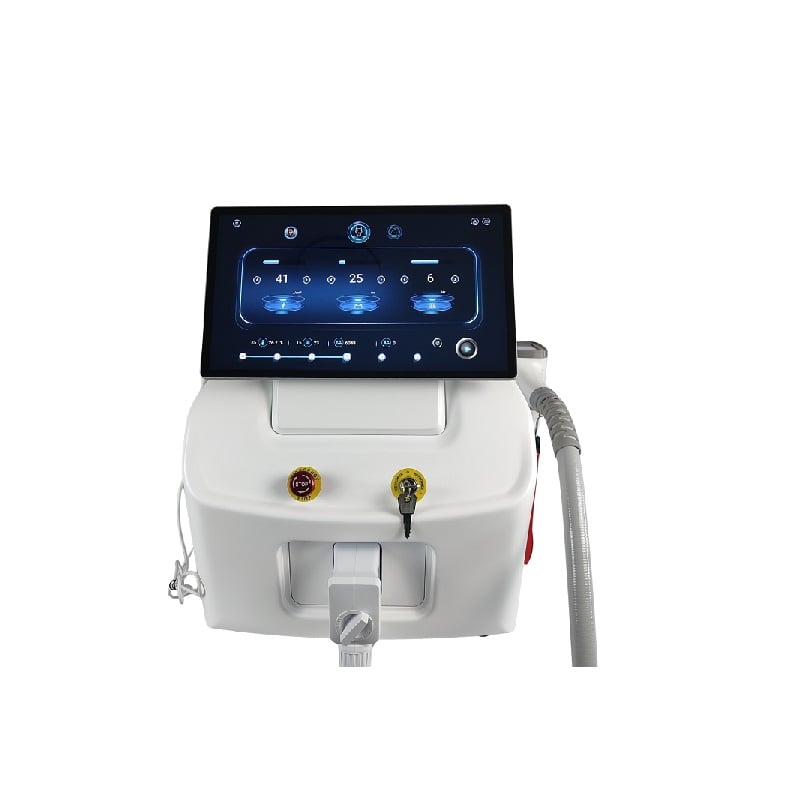
The goal is not to compress every booking into the shortest possible slot. Instead, build a repeatable rhythm that fits the clinic’s treatment menu, client mix, and staffing pattern. Using a hair removal laser efficiently means allowing enough time for safe assessment and setup, while keeping room transitions predictable and avoiding unrealistic assumptions about a professional hair removal device.
Treatment duration is only one part of a booking. For a diode laser hair removal machine, the full appointment may also include client check-in, skin assessment, preparation, protective measures, post-treatment guidance, and documentation. A schedule based only on active treatment time can create delays that carry through the rest of the day, even when the hair removal laser is ready for the next client.
Map each stage in the clinic’s actual workflow before setting standard slots. Note which tasks must happen in the treatment room and which can be completed elsewhere. An 808nm diode laser may be quick to configure for a familiar treatment plan, but preparation and room reset still take time. A professional hair removal device should fit the workflow rather than dictate an unrealistic pace.
Different treatment areas require different appointment windows, so avoid using one default duration for every booking. The diode laser hair removal machine schedule should reflect the area being treated, the number of areas in a visit, and the clinic’s established assessment process. This distinction helps staff set clear expectations and makes the hair removal laser schedule more representative of real service time.
For combined areas, allow time for transitions in positioning, settings review, and communication. Include a modest buffer when a booking involves several areas or a first visit. An 808nm diode laser appointment may follow a familiar sequence, but the professional hair removal device operator still needs to confirm the plan and maintain appropriate attention throughout treatment. Do not treat buffer time as unused capacity by default.
A high-volume schedule works only when trained staff are available for each required task. Assign responsibility for consultation, preparation, operation, aftercare, and room turnover, then check for handoff delays. A diode laser hair removal machine may be shared across rooms or operators, so its schedule should show who is using it and when. That visibility helps prevent double booking and rushed transitions.
Keep the appointment plan consistent with staff competency and clinic protocols. The hair removal laser should not be booked as though setup, client communication, or safety checks can be skipped during busy periods. An 808nm diode laser workflow benefits from clear role boundaries, while a professional hair removal device requires operators to follow the training and instructions applicable to its use.
Set room turnover time using observed cleaning, equipment checks, and restocking needs, rather than an arbitrary target. When the diode laser hair removal machine is booked back-to-back, even a small delay can affect the next client. Keep the hair removal laser schedule visible to reception and treatment staff so they can spot bottlenecks early and communicate expected waits accurately.
Buffers should reflect the clinic’s actual service mix, not simply create empty blocks. Review whether an 808nm diode laser booking needs extra setup time because of the treatment plan, client history, or room arrangement. Include reasonable reset time for the professional hair removal device and consumables. If appointments routinely overrun, adjust slot lengths before adding more bookings to the same day.
Track planned versus actual appointment duration, room readiness, late starts, cancellations, and overtime. These signals show whether the diode laser hair removal machine schedule is efficient in practice, not just full on paper. Compare patterns by treatment area and visit type, then revise durations where the hair removal laser workflow consistently runs longer or finishes sooner than expected.
Use a regular review cadence and involve both front-desk and clinical staff. They often see different causes of lost time, such as check-in delays, preparation gaps, or room availability. An 808nm diode laser service may have stable steps, but demand can vary by day and appointment type. Review the professional hair removal device calendar alongside staffing and room usage before changing capacity.
Seasonal demand, new services, staff changes, and revised clinic protocols can all affect appointment flow. Recheck the diode laser hair removal machine template when those conditions change, rather than relying on old assumptions. A hair removal laser schedule should leave room for appropriate consultation and follow-up, and any expansion in daily bookings should be supported by the people and rooms available.
Make changes in measured steps. Trial a revised slot length or staggered start time, then compare delays, client wait times, and staff workload with the previous pattern. Confirm that an 808nm diode laser setup still fits the planned service sequence. Keep the professional hair removal device operating within its instructions and clinic procedures; higher utilization is not useful if it undermines consistent delivery.
There is no single slot length for every service. Set time according to the treatment area, assessment needs, preparation, active treatment, guidance, and room reset. Review actual appointment data for the diode laser hair removal machine, and refine the hair removal laser template when recurring overruns or excess idle time appear.
Make handoffs visible, prepare rooms consistently, and reserve realistic reset time. Check whether an 808nm diode laser booking has the correct duration and whether staffing supports the planned sequence. A professional hair removal device does not eliminate preparation or cleaning requirements, so avoid solving delays by removing necessary workflow steps.
Usually not. Different areas, combined services, first visits, and follow-up appointments may require different time allowances. Build templates around the clinic’s real workflow for the diode laser hair removal machine, then review them as demand changes. A hair removal laser schedule is most useful when it reflects the service delivered, not a uniform target.

