

 EN

optimizing-electrode-movement-paths-in-tecar-treatment-plans, optimizing-electrode-movement-paths-in-tecar-treatment-plans, /blog
EN
Optimizing electrode movement paths in TECAR treatment plans means choosing a repeatable route that fits the treatment area, the client’s tolerance, and the clinical objective. In tecar therapy, the practitioner guides the electrode deliberately rather than moving it randomly, adjusting direction and pace as tissue response becomes clear. This approach helps make each session easier to deliver and assess.
A useful plan accounts for the selected application mode, contact area, pressure, and time spent in each zone. Capacitive resistive electric transfer describes the treatment approach, while deep heat therapy is one intended physiological effect, not a substitute for sound clinical judgment. The movement path should support the plan, with adjustments guided by patient feedback and ongoing observation.
Begin by identifying the primary treatment area and the tissues the session is intended to address. A tecar therapy plan for a broad muscle group may use overlapping, continuous passes, while a smaller region calls for a compact route with clear boundaries. With capacitive resistive electric transfer, the practitioner should select a route that allows stable contact and consistent attention to the treatment zone.
Before starting, note landmarks, sensitive areas, and any movement restrictions that affect access. A radiofrequency therapy device is easier to control when the practitioner can keep the electrode path within a defined region instead of reaching across the body unpredictably. Plan a return route as well as an initial pass; this helps prevent missed areas and makes tecar therapy more systematic without making the movement mechanical.
Use broad sweeps when the aim is to cover a larger accessible area, and smaller controlled movements where precision matters. Deep heat therapy should not be pursued by simply slowing down over one point; comfort, exposure, and the chosen settings all matter. During tecar therapy, a planned path supports even coverage, while capacitive resistive electric transfer gives the clinician a framework for choosing how to approach different tissue regions.
The treatment objective also determines how much overlap is useful. Slightly overlapping passes can reduce gaps across a broad zone, but excessive repetition can concentrate attention in one place without adding value. When using a radiofrequency therapy device, keep the intended endpoint in view and avoid treating the route itself as a fixed protocol. Capacitive resistive electric transfer can be applied with a path that remains responsive to the client.
Smooth electrode movement depends on reliable contact across the treatment surface. Keep the hand position relaxed, use pressure appropriate to the region, and avoid abrupt lifts or changes in force. In tecar therapy, these details help the practitioner notice changes in comfort and tissue response. A radiofrequency therapy device does not remove the need for careful handling or regular communication during the session.
Adjust the route for contours, joints, and transitions between muscle groups rather than forcing one continuous line over every surface. Capacitive resistive electric transfer is most useful when the application remains controlled and intentional. If contact becomes uneven, pause to reposition instead of compensating with faster movement. This protects consistency in deep heat therapy delivery and keeps tecar therapy aligned with the original treatment objective.
Choose a pace that allows the practitioner to monitor the response while maintaining steady movement. A very fast pass may reduce control, while a very slow pass over a small point can create an uncomfortable concentration of sensation. With tecar therapy, divide the area into manageable zones and complete one zone before transitioning. Capacitive resistive electric transfer can then follow a sequence that is clear to repeat or modify.
Plan transitions before the electrode reaches the edge of a zone. Turn smoothly, change direction when needed, and avoid sharp stops that disrupt the rhythm. This is especially helpful when a radiofrequency therapy device is used around curved or restricted areas. The route should make deep heat therapy feel controlled, not rushed; discuss any change in sensation and alter the movement or settings when clinically appropriate.
Ask about comfort at appropriate intervals and watch for nonverbal signs that the current path or pace needs attention. A report of excessive warmth, discomfort, or changing sensation is a reason to reassess rather than push through the planned route. In tecar therapy, feedback helps the clinician judge whether to shorten a pass, adjust pressure, or move to another zone. Capacitive resistive electric transfer should remain guided by the individual response.
Record meaningful adjustments, including where the route changed and how the client responded. This makes the next session easier to plan without assuming that the same path will always be suitable. When operating a radiofrequency therapy device, follow its instructions and the relevant clinical protocols. Deep heat therapy is not a reason to ignore discomfort; careful reassessment supports a more responsible and consistent treatment process.
A useful treatment note describes the region, movement pattern, sequence, and response in plain clinical language. Instead of writing only that the area was treated, specify whether passes were longitudinal, transverse, circular, or divided by zones. For tecar therapy, this detail helps colleagues understand the reasoning behind the route. It also makes it easier to refine capacitive resistive electric transfer across later sessions.
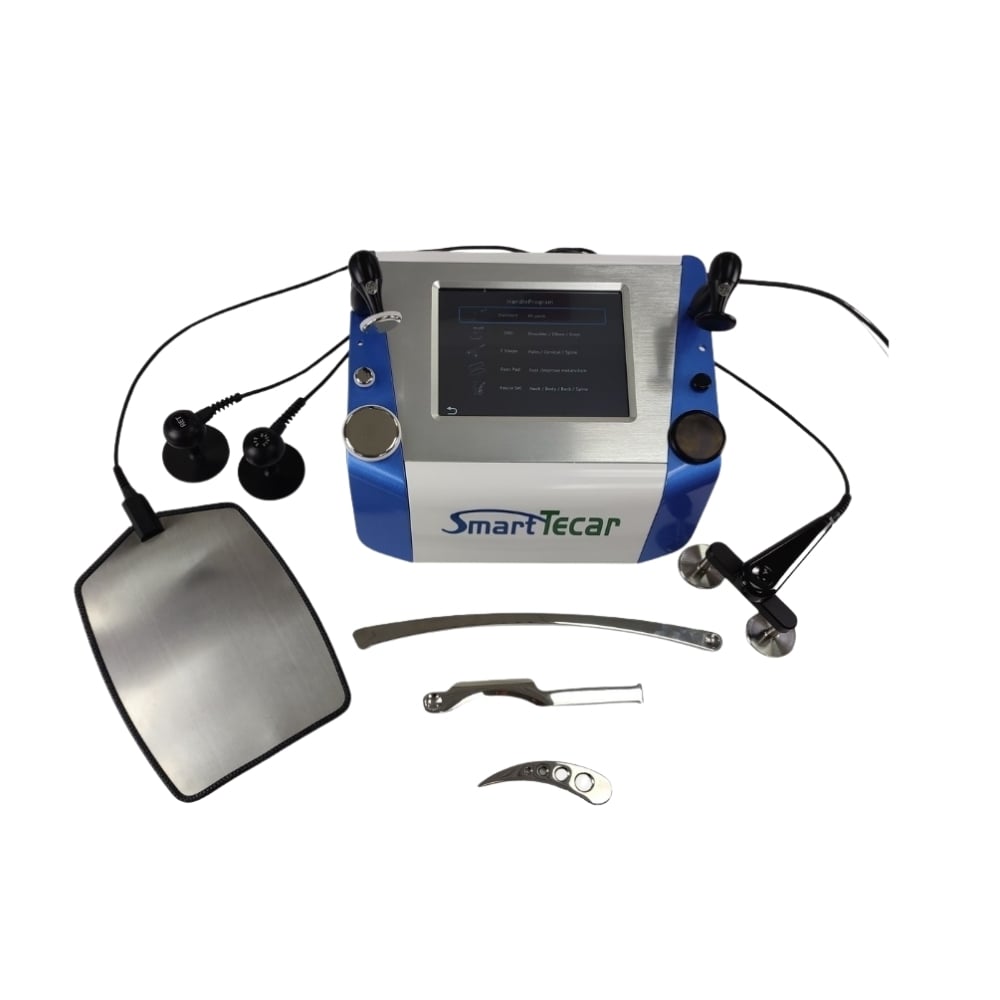
Keep the plan flexible: anatomy, tolerance, and treatment priorities can vary from visit to visit. A radiofrequency therapy device may offer different applicators or settings, so verify that the chosen equipment configuration suits the intended route. Consider deep heat therapy as one part of the clinical rationale, then evaluate the actual response. For further equipment context, review this tecar system alongside its operating guidance.
Start with the treatment objective, accessible anatomy, and a route that supports stable contact. Capacitive resistive electric transfer should be delivered with a clear plan, then refined through observed response and discussion. Keep the radiofrequency therapy device moving in a controlled manner rather than selecting a direction solely for convenience.
Not necessarily. The route can be a useful reference, but reassess comfort, access, and clinical priorities each time. A radiofrequency therapy device should be operated according to its instructions, while deep heat therapy remains a treatment consideration rather than a fixed outcome. Document changes so the next tecar therapy plan has useful context.
Change the route, pace, pressure, or settings if feedback or observation indicates that the current approach is not comfortable or appropriate. Deep heat therapy should not override patient tolerance. Recheck contact and technique when needed, and apply capacitive resistive electric transfer within professional guidance and device instructions.

