

 EN

optimizing-focused-shockwave-protocols-for-chronic-wound-care, optimizing-focused-shockwave-protocols-for-chronic-wound-care, /blog
EN
Optimizing focused shockwave therapy for chronic wound care means building a measured clinical protocol, not applying a fixed treatment recipe. Wound type, tissue condition, patient risks, and the goals of standard care should guide each decision. Clinicians can use a consistent workflow to assess suitability, deliver treatment cautiously, and judge whether the plan supports healing without replacing established wound management.
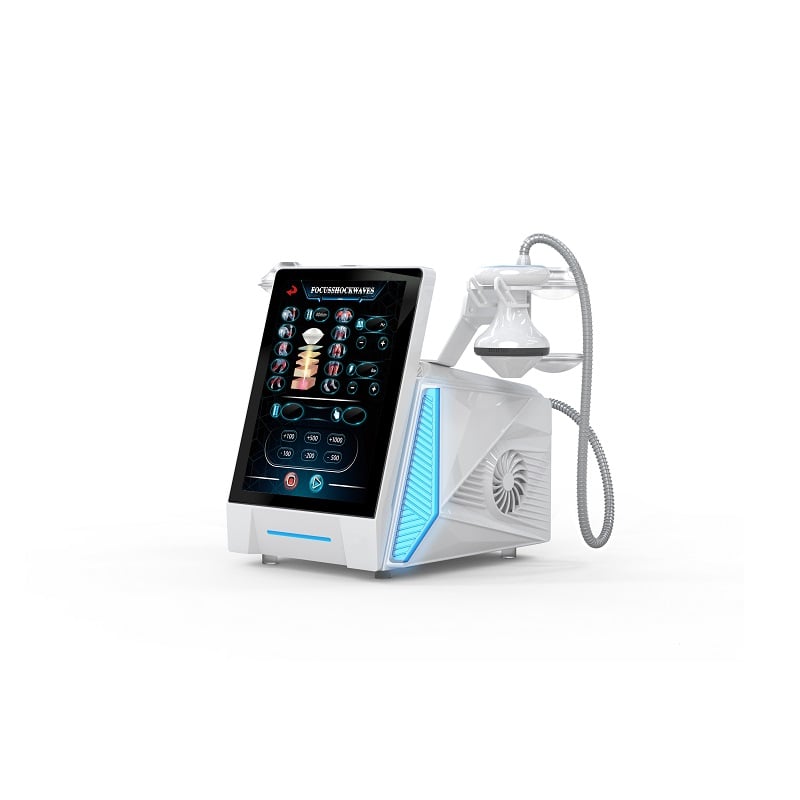
A practical protocol connects the focused shockwave therapy plan with wound assessment, device settings, consent, and follow-up. Because extracorporeal shockwave treatment is an adjunct rather than a substitute for wound-bed preparation or cause management, teams should define its role clearly. This approach also helps clinicians in orthopedic rehabilitation coordinate care when mobility, tissue loading, or comorbid conditions affect progress.
Begin with the wound and the person, rather than the machine. Record wound location, dimensions, depth, tissue appearance, exudate, surrounding skin, pain, and relevant history. Focused shockwave therapy should be considered only within local clinical governance and alongside appropriate assessment of infection, perfusion, pressure, nutrition, and the underlying cause. These findings establish a baseline for later review.
Define the clinical objective before treatment, such as supporting a broader plan to improve wound progress or addressing a specific tissue-management question. The objective needs to be observable and realistic, not a promise of closure by a set date. In orthopedic rehabilitation, this clarity is useful when a chronic wound coexists with reduced movement or a need to balance tissue protection with functional goals.
Next, check suitability against the patient’s condition, wound characteristics, device instructions, and applicable clinical guidance. A focused shockwave device should be used only by trained personnel who understand its controls and precautions. Document the rationale, expected benefits, uncertainties, and alternatives. This makes extracorporeal shockwave use a deliberate clinical decision instead of an automatic response to a slow-healing wound.
Consent should explain what the session involves, possible discomfort, the uncertainty of response, and how it fits with standard care. Review medications, relevant diagnoses, skin condition, and any contraindications specified by the device instructions or local policy. Orthopedic rehabilitation teams should also clarify who monitors the wound and who adjusts mobility or loading plans, avoiding conflicting advice across services.
A repeatable plan identifies the treatment area, positioning, coupling method, session duration, and settings permitted by the device manual and clinical protocol. Do not infer a universal dose from another wound or indication. The focused shockwave device should be checked before use, and staff should record the selected parameters so each visit can be compared with the baseline and prior sessions.
Set a review interval and stopping rules before the first session. These may include unexpected pain, deterioration, a new safety concern, or lack of a meaningful response after an agreed review period. Record wound status and patient experience at each visit. Consistent documentation helps distinguish treatment effects from changes in dressings, pressure relief, infection management, or general health.
During delivery, confirm identity, consent, wound location, and the planned parameters. Position the patient to provide access without creating pressure on vulnerable areas. Focused shockwave therapy should follow the device instructions and the clinician’s training, with attention to patient comfort and the wound’s immediate condition. Pause when the patient reports concerning pain or when the presentation differs from the pre-session assessment.
The focused shockwave device is one part of the intervention, so prepare the wound and surrounding area according to the established care plan. Maintain clean technique and protect the patient from avoidable contamination. Extracorporeal shockwave delivery should not interrupt essential dressing schedules, pressure redistribution, or other indicated treatment. In orthopedic rehabilitation, coordinate session timing with therapy activities that may affect comfort or wound protection.
Patient selection should account for the whole clinical picture, not just wound duration. Consider vascular status, diabetes management, sensation, infection concerns, ability to attend follow-up, and the patient’s preferences. Orthopedic rehabilitation staff can contribute practical information about transfers, gait, braces, and repeated friction. These factors may influence whether a treatment plan is feasible and how the team protects the wound between visits.
Explain that responses vary and that evidence and protocols may differ by wound type and clinical setting. Focused shockwave therapy should not delay investigation of deterioration or referral for specialist review when indicated. Patients need clear instructions for reporting increased pain, bleeding, spreading redness, fever, or other concerning changes. The clinical team should continue standard wound surveillance regardless of whether a session has recently occurred.
Schedule sessions around dressing changes and mobility demands when practical, while keeping the patient’s routine manageable. Document any change to the surrounding care plan and the reason for it. Extracorporeal shockwave treatment is not a replacement for correcting pressure, managing edema, or addressing inadequate perfusion. A focused shockwave device cannot compensate for missed fundamentals, so the team should verify those measures at review.
Shared notes help nursing, wound, and therapy staff maintain a consistent plan. Include the wound baseline, treatment parameters, tolerance, and any immediate observations in the record. Orthopedic rehabilitation providers should know whether activity restrictions or protective equipment have changed. This coordination reduces avoidable friction and supports continuity when different clinicians see the patient across a treatment course.
At each review, compare measurements and tissue findings with the original baseline using the same method where possible. Note pain, exudate, wound-bed appearance, periwound condition, and patient-reported function. Focused shockwave therapy should be continued, modified, or stopped according to the agreed objective and clinical findings, not simply because a session was scheduled. Escalate concerns through the usual wound-care pathway.
If progress stalls, reassess underlying causes before increasing treatment exposure. Check adherence to pressure relief, dressing plans, nutrition support, and management of infection or vascular concerns. The focused shockwave device settings should be reviewed against the manual and documented protocol. Extracorporeal shockwave treatment may not be appropriate to continue when risks change, symptoms worsen, or the original rationale no longer applies.
A simple audit can examine whether assessments were complete, consent recorded, settings documented, and review decisions justified. Track safety events and reasons for discontinuation as well as wound outcomes. This allows a service to identify gaps in training or workflow without assuming that every change resulted from treatment. Orthopedic rehabilitation teams can contribute functional measures when mobility is part of the care objective.
Governance should specify who can prescribe or authorize treatment, who may operate equipment, how the device is maintained, and where records are stored. Training should cover practical operation, patient communication, infection-control procedures, and recognition of issues requiring escalation. A focused shockwave device should remain within its intended use and local policy. Periodic review keeps the protocol aligned with current evidence and clinical responsibilities.
Set expectations around careful monitoring rather than guaranteed closure or a predetermined number of visits. Discuss the uncertainty of benefit and continue established wound care throughout the evaluation. In orthopedic rehabilitation, functional improvement may matter alongside wound measures, but it should never obscure deterioration in tissue status. Patient goals and safety findings should shape decisions at each review.
A well-optimized protocol is therefore specific, documented, and responsive: it selects patients thoughtfully, delivers treatment within defined limits, and reassesses whether the intervention remains justified. Focused shockwave therapy can be considered as one component of a multidisciplinary plan, with clear communication and realistic outcome measures supporting responsible use in chronic wound care.
No. It should be considered only as a potential adjunct within an appropriate care plan. Assessment of wound causes, pressure management, dressings, infection concerns, and other indicated interventions must continue. Clinicians should follow applicable guidance and review patient response before deciding whether treatment remains suitable.
Record the baseline and current wound findings, consent, rationale, treatment area, settings, patient tolerance, and any immediate concern. Include changes to the care plan and follow-up decisions. A focused shockwave device log and clear clinical notes help maintain continuity and support later review.
Agree who monitors the wound, when sessions fit around therapy, and how mobility or protective equipment may affect the site. Orthopedic rehabilitation staff should share relevant functional observations, while wound clinicians continue surveillance. Extracorporeal shockwave treatment should not override precautions or delay escalation when the wound worsens.

