

 EN

optimizing-followup-timing-after-shockwave-therapy-courses, optimizing-followup-timing-after-shockwave-therapy-courses, /blog
EN
Follow-up timing after a shockwave therapy course should reflect the patient’s response, treatment plan, and functional goals rather than an automatic calendar interval. A well-timed review helps clinicians distinguish expected short-term sensitivity from a stalled recovery and decide whether to continue observation, adjust rehabilitation, or reassess the diagnosis. In musculoskeletal therapy, this timing supports decisions based on progress instead of routine alone.
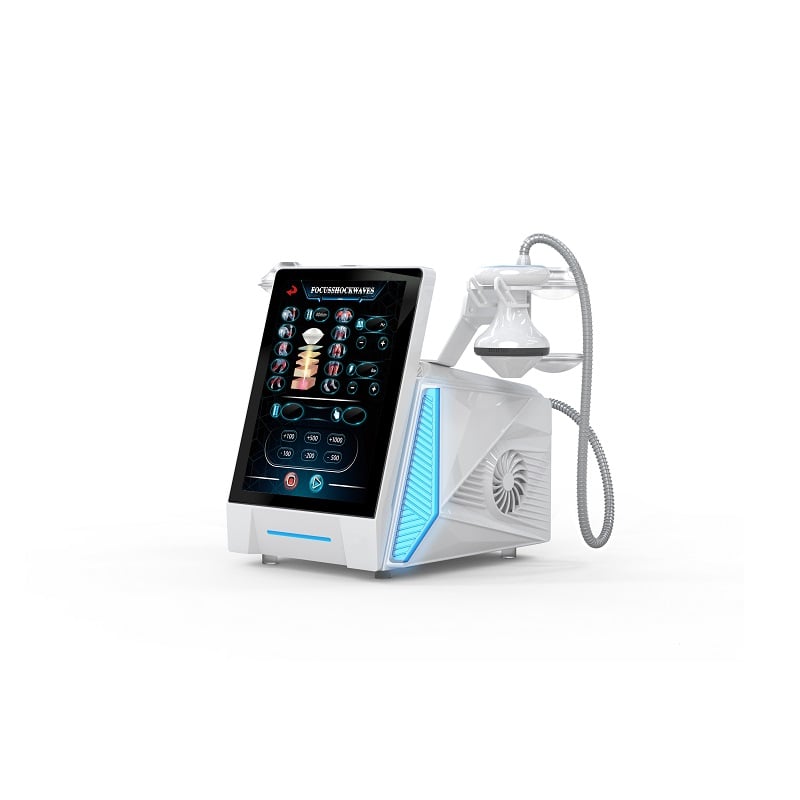
The practical answer is to schedule a review around the intended response window and the patient’s next meaningful activity milestone. Because extracorporeal shockwave protocols and recovery patterns vary, document symptoms and function at the end of treatment, then agree on a review point. A shockwave treatment follow-up should clarify what improvement looks like and what would prompt earlier contact.
A check immediately after a session can capture tolerance, but it rarely shows the full therapeutic response. With shockwave therapy, temporary soreness or local sensitivity may occur, while changes in pain during loading can take longer to interpret. In musculoskeletal therapy, explain this difference before the course ends so patients do not judge the outcome from a single post-session sensation.
For a planned course, record a baseline and identify a review interval that gives the patient time to resume relevant activity. Extracorporeal shockwave treatment is commonly delivered alongside a broader rehabilitation plan, so the follow-up should consider both treatment response and exercise progression. A shockwave treatment review is more useful when symptoms are compared under similar tasks, such as walking, gripping, or a work duty.
There is no single follow-up interval suitable for every condition, protocol, or patient. The clinician should consider symptom duration, irritability, treatment spacing, functional demands, and any relevant medical factors when setting a review. Shockwave therapy follow-up should be earlier when symptoms are complex or activity decisions cannot safely wait, while a stable patient may be reviewed after a longer observation period.
Agree on the date before the final session, but make the plan flexible. If an extracorporeal shockwave course finishes just before a return to heavy work or sport, align the review with that exposure rather than choosing a convenient but uninformative date. Musculoskeletal therapy planning should also leave enough time to test the agreed activity without encouraging the patient to push through a significant flare.
At the first review, compare the patient’s current status with the baseline rather than relying on a general question about whether treatment helped. Ask about pain during the same task, morning stiffness, activity tolerance, medication changes, and the duration of any flare. This makes shockwave therapy outcomes easier to interpret and gives a shockwave treatment decision a clearer clinical basis.
Use a brief, repeatable record that fits the condition and clinic workflow. A pain rating can be useful, but it should sit beside a practical functional measure, such as distance walked or time spent performing a task. In musculoskeletal therapy, consistent measures help separate a real change from day-to-day variation. Record whether the patient completed the prescribed loading work during the extracorporeal shockwave course.
Improvement may be gradual and uneven, especially when a patient is increasing load at the same time. Ask whether better function is accompanied by manageable symptoms and whether recovery after activity is reasonable. A shockwave therapy review should consider this pattern rather than treating every temporary increase in discomfort as failure. Extracorporeal shockwave care does not replace the need to assess the wider rehabilitation plan.
If symptoms are improving but capacity remains limited, the next step may be to progress or refine exercise rather than repeat a procedure. If the patient reports no meaningful change, check adherence, workload, the original assessment, and competing sources of pain. A shockwave treatment review should document why the clinician is continuing, modifying, or pausing care. Musculoskeletal therapy decisions are stronger when the reasoning is visible in the notes.
When pain, function, or activity confidence is moving in the intended direction, allow the patient’s response to develop while maintaining a suitable rehabilitation plan. Set another review only if it will guide a real decision, such as progression to higher work demands. In shockwave therapy follow-up, clear self-monitoring instructions can reduce unnecessary appointments while keeping the patient aware of meaningful changes.
Give specific guidance on what to track and when to make contact. A patient may note symptoms during a chosen task, the time required to settle afterward, and any new limitation. This creates useful information for the next musculoskeletal therapy discussion. After extracorporeal shockwave care, avoid promising a particular outcome or implying that short-term soreness proves the intervention is working.
A lack of progress at the agreed review point should trigger clinical reasoning, not automatic repetition of the same plan. Revisit the diagnosis, relevant examination findings, loading demands, and barriers to participation. If symptoms worsen or new concerns emerge, arrange an earlier assessment and consider whether referral or further investigation is appropriate. Shockwave therapy is one part of care, not a substitute for reassessment.
If a further shockwave treatment course is being considered, explain the rationale, expected review criteria, and alternatives before proceeding. The decision should reflect the patient’s response and individual context, not simply the fact that sessions remain available. Document the discussion and agreed next milestone. In musculoskeletal therapy, a defined review plan helps keep extracorporeal shockwave decisions proportionate and focused on function.
Choose a point that allows the expected response to become assessable and matches the patient’s activity goals. Shockwave therapy follow-up may be sooner when symptoms are complex or a work decision is pending. Otherwise, agree on a review window based on the care plan and explain what changes should prompt earlier contact.
Compare symptoms and a relevant functional task with the baseline, then ask about activity tolerance and recovery after loading. A shockwave treatment review should also check rehabilitation participation and any new concerns. In musculoskeletal therapy, repeatable measures make clinical decisions more useful than a general impression alone.
Not automatically. Reassess the diagnosis, response, activity demands, and other care options before deciding whether to continue or change the plan. Extracorporeal shockwave is not appropriate as a default repeat intervention, and shockwave therapy decisions should be explained using the patient’s findings and agreed goals.

