

 EN

optimizing-home-care-advice-alongside-shockwave-therapy-plans, optimizing-home-care-advice-alongside-shockwave-therapy-plans, /blog
EN
Home care advice should reinforce the purpose of a shockwave therapy plan, not compete with it. Clear guidance helps patients understand what to do between appointments, how to respond to normal changes, and when to contact their clinician. The aim is a manageable routine that supports treatment while respecting each person’s symptoms, work, and daily responsibilities.
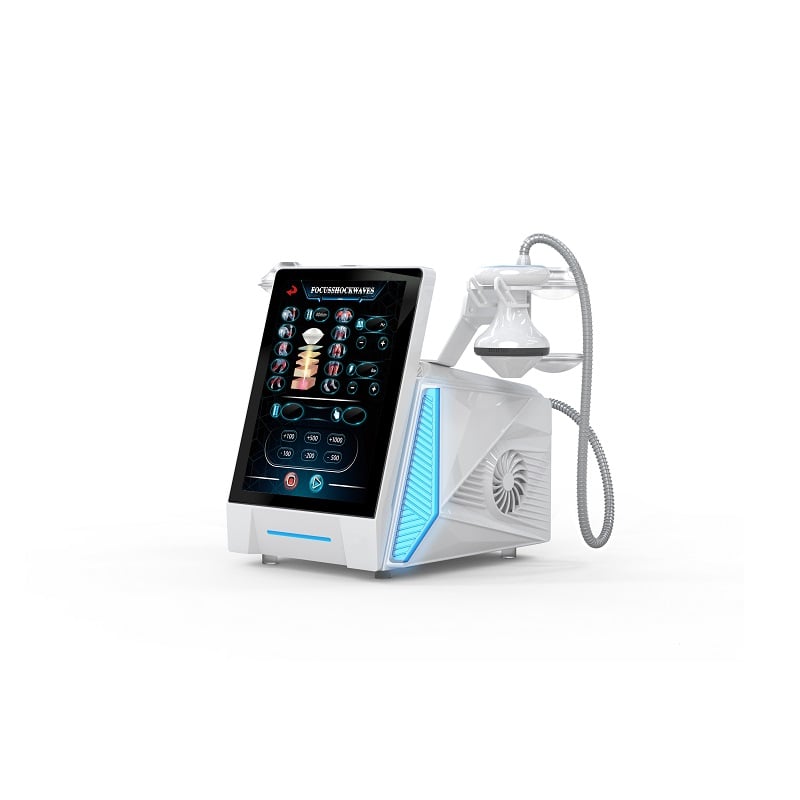
Because extracorporeal shockwave sessions are only one part of care, clinicians should pair them with practical instructions that fit the patient’s condition and goals. This article explains how to coordinate home care with appointments, adjust advice as symptoms change, and make follow-up conversations useful without promising a uniform response.
Start by explaining what the plan is intended to address and how home activities relate to that aim. In musculoskeletal therapy, advice is most useful when it translates the treatment goal into everyday choices, such as pacing a work task or modifying a movement that repeatedly aggravates symptoms. Keep the explanation specific to the individual.
Clarify that shockwave treatment is delivered during scheduled clinical visits, while home care supports the broader rehabilitation plan. Discuss relevant activity, recovery expectations, and any exercises already prescribed. Avoid adding new techniques simply because a patient expects a long list of tasks; a short, understood routine is easier to follow than conflicting instructions.
When describing shockwave therapy, use plain language and connect each recommendation to a reason. A patient who understands why temporary activity adjustment may be sensible can make better decisions than someone given a blanket restriction. Similarly, explain how extracorporeal shockwave sessions fit alongside assessment, movement practice, and review of progress.
Home guidance should distinguish ordinary daily movement from activities that reliably intensify the patient’s complaint. Ask about work demands, caregiving, sport, and transport before suggesting changes. Musculoskeletal therapy should account for these realities; advice that cannot be followed in a person’s actual routine is unlikely to help them manage treatment consistently.
Agree on a practical starting point rather than prescribing an ambitious schedule. For example, the clinician and patient can identify one aggravating task to pace, while maintaining comfortable movement elsewhere. This supports shockwave treatment without implying that every sensation signals harm or that complete rest is automatically required.
Document the agreed advice in language the patient can revisit. Include the purpose of the plan, any specific activity adjustments, and the route for asking questions. Clear notes help keep shockwave therapy recommendations consistent across appointments and make it easier to identify whether a change in symptoms followed a treatment session or a change in daily load.
Pacing means adjusting the amount or timing of a demanding activity to keep it manageable, rather than stopping all movement without a clinical reason. In musculoskeletal therapy, this approach can be discussed in relation to the patient’s usual tasks and tolerance. The plan should be individualized, reviewed, and compatible with the clinician’s assessment.
For extracorporeal shockwave care, explain any session-specific activity advice directly and make clear how long it applies. Patients should not have to infer restrictions from general online guidance. If a clinician recommends modifying a particular high-load activity, connect that advice to the person’s symptoms and agree on a realistic alternative where possible.
A useful shockwave therapy home plan also leaves room for normal variation. Workload, sleep, and ordinary activity can influence how a person feels, so avoid attributing every change to the procedure. Encourage patients to follow their agreed plan and to report a marked or unexpected change rather than independently adding treatments or exercises.
When shockwave treatment is part of a wider rehabilitation program, coordinate home instructions with other prescribed care. Patients can become uncertain when one recommendation encourages movement and another appears to prohibit it. A brief review of the combined plan can clarify which activities are appropriate, which need adjustment, and when to seek individualized advice.
Suggest a simple record of relevant details, such as the activity performed, symptom response, and whether the patient could complete usual responsibilities. In musculoskeletal therapy, this information can make reviews more concrete. It should inform a conversation, not turn every daily sensation into a score that creates worry.
Ask patients to note meaningful patterns across days instead of judging progress from a single hour. A brief account of function and symptom changes can help a clinician assess how shockwave therapy fits into the wider plan. Explain that tracking is optional when it becomes burdensome, and agree on a simpler method if needed.
Patients may ask whether discomfort after extracorporeal shockwave treatment is expected. Provide the guidance appropriate to the individual, including what changes merit a call to the clinic. Avoid giving universal timelines or assurances. A clear contact pathway is more useful than an absolute statement that every response is normal or harmless.
At follow-up, compare the patient’s goals and daily function with the experience since the previous visit. Ask what advice was practical, what proved difficult, and whether any new concern appeared. This makes musculoskeletal therapy responsive to the person rather than a fixed script repeated regardless of circumstances.
Use the review to decide whether home guidance should continue, become more manageable, or be reassessed. Shockwave treatment does not remove the need for clinical judgment; the response and the patient’s broader presentation should guide next steps. Explain the reasoning behind changes so that updated advice feels coherent rather than contradictory.
A clinician can also revisit expectations around extracorporeal shockwave sessions. Discuss the planned review schedule and what information will help assess progress, without guaranteeing a particular outcome. If the patient reports worsening or unusual symptoms, evaluate them appropriately instead of simply advising them to persist with the existing routine.
Keep home care manageable when shockwave therapy sits alongside work, family duties, or other rehabilitation. Choose advice that the patient can recall and apply, then confirm understanding by asking them to describe the plan in their own words. This can reveal ambiguity before it leads to unnecessary restriction or inconsistent activity.
When more than one professional contributes to care, establish who will explain activity guidance and respond to questions. Consistency matters in musculoskeletal therapy because patients may otherwise receive different instructions about the same task. Share relevant changes with the team, following applicable consent and documentation practices.
If the patient uses written or digital advice, make sure it reflects the current plan rather than generic instructions. Shockwave treatment protocols and individual needs can differ, so materials should direct readers back to their clinician for personal guidance. Avoid presenting general home-care suggestions as a substitute for assessment.
Finally, make each recommendation actionable: state what the patient can try, what to notice, and how to follow up. A plan that combines extracorporeal shockwave appointments with sensible home advice gives patients a clearer role in care. It also gives clinicians better context for refining the next step.
Not necessarily. Advice depends on the person, treated condition, and clinician’s instructions. The shockwave therapy plan should specify whether any activity needs adjustment and for what reason. Patients should ask their clinician rather than assume complete rest or continue a particularly aggravating activity without review.
They can note meaningful changes in symptoms, function, and relevant activity if tracking feels useful. In musculoskeletal therapy, a concise account often supports a focused follow-up. The clinician can advise what details matter and whether the record should be simplified or stopped.
They may be included when they suit the person’s overall plan, but patients should follow individualized guidance. Ask the clinician how shockwave treatment and prescribed exercises fit together, and whether any activity should be modified. Do not add exercises based only on generic information or assume the same advice suits everyone.

