

 EN

optimizing-pemf-therapy-programs-in-sports-recovery-settings, optimizing-pemf-therapy-programs-in-sports-recovery-settings, /blog
EN
Optimizing a PEMF program in a sports recovery setting means matching the intervention to an athlete’s goals, schedule, and clinical context—not simply adding sessions after training. A pemf therapy device may be one part of a broader recovery plan, while pulsed electromagnetic field therapy needs consistent screening, clear operating procedures, and realistic outcome measures.
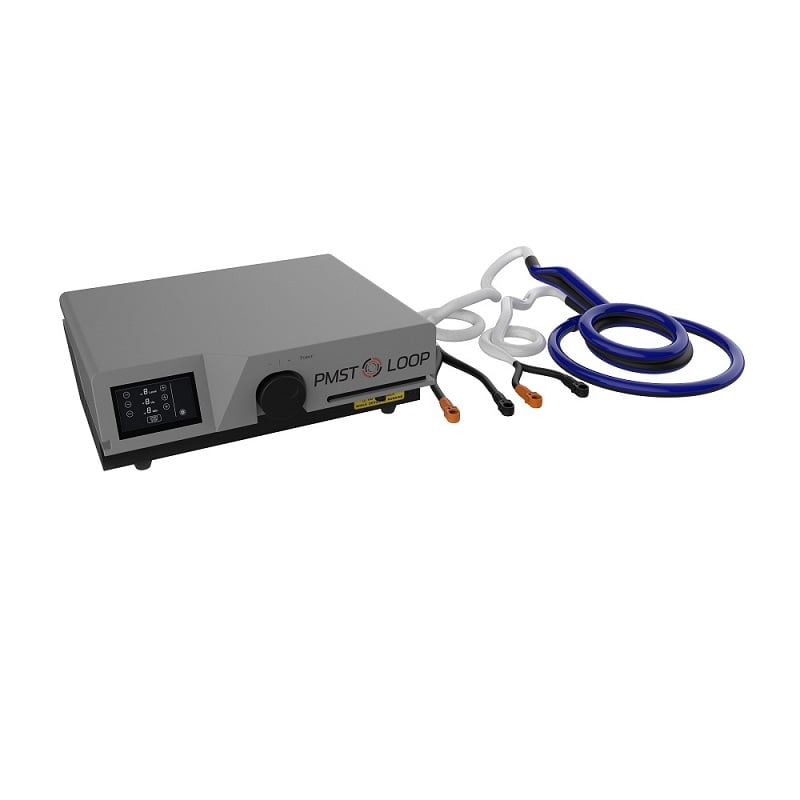
For teams, clinics, and performance facilities, optimization is a workflow decision as much as a technology decision. The right PEMF therapy equipment should fit the treatment space and staff capabilities, and every recovery therapy device should be used within an agreed protocol. The aim is a repeatable process that supports recovery planning without promising outcomes that depend on many factors.
Start by identifying why a session is being considered: routine recovery support, a return-to-training plan, or an adjunct to care directed by a qualified clinician. A pemf therapy device is not a substitute for diagnosis or rehabilitation. When pulsed electromagnetic field therapy is considered, record the athlete’s current status, training demands, and relevant clinical guidance before setting a schedule.
A useful intake process captures the area of interest, recent workload, prior response to recovery methods, and any precautions raised during screening. This gives staff a consistent baseline rather than relying on memory. It also helps determine whether a recovery therapy device is appropriate for the intended use or whether the athlete should first be referred for assessment.
Keep the intended outcome specific and observable, such as comfort before the next practice or tolerance of a planned training session. Do not treat a change in one measure as proof of a broader effect. Teams using PEMF therapy equipment can document the reason for each session, while pulsed electromagnetic field therapy remains one component of a coordinated plan.
Before introducing a pemf therapy device, confirm who may operate it, how the treatment area will be prepared, and where instructions are stored. Staff should understand the manufacturer’s directions and the organization’s safety procedures. This is particularly important when several practitioners share PEMF therapy equipment across a busy schedule.
Consider access, room layout, cleaning, athlete privacy, and time between appointments. These operational details affect whether a protocol can be delivered consistently. If pulsed electromagnetic field therapy is offered around practice, coordinate session timing with coaches and clinicians so it does not displace assessment, warm-up, or prescribed rehabilitation work.
Document any device settings and session details required by the applicable instructions and local policy. A recovery therapy device should have a defined owner for routine checks and recordkeeping. This simple governance makes the program easier to review, supports continuity when staff change, and helps identify practical barriers early.
A written workflow can make each appointment predictable: confirm identity and screening, review the purpose, explain the session, prepare the equipment, and record completion. A pemf therapy device should be used according to its instructions, not an improvised setting selected to accelerate a result. Explain that pulsed electromagnetic field therapy is an adjunct, not a guaranteed recovery outcome.
Staff can use a consistent pre-session check to confirm the athlete’s current condition and whether anything has changed since the last visit. Record the date, duration, relevant settings, and athlete feedback where appropriate. This creates an interpretable history for the care team and makes PEMF therapy equipment use more consistent across practitioners.
Plan the session around the athlete’s actual timetable rather than assuming that more frequent appointments are better. A recovery therapy device should fit alongside sleep, nutrition, load management, and prescribed care. Keep the agreed schedule visible to the athlete, and use pulsed electromagnetic field therapy only within the intended protocol and professional guidance.
Individualize the plan based on response, training demands, and clinical direction, while avoiding rapid changes that make the effect difficult to interpret. If a pemf therapy device is part of a trial period, define in advance what will be reviewed and when. This allows staff to distinguish adherence or scheduling issues from changes in the athlete’s status.
Use brief, consistent feedback questions rather than relying on broad impressions. The athlete may report comfort, perceived readiness, or any unexpected response, but those reports should be considered alongside workload and other recovery factors. A recovery therapy device should not lead staff to disregard worsening symptoms or delay appropriate evaluation.
When the plan changes, note the reason and who approved the change. Keep pulsed electromagnetic field therapy settings within device instructions and applicable clinical policy. Regular review of PEMF therapy equipment procedures can reveal unclear responsibilities, missed documentation, or scheduling friction before these issues undermine a consistent program.
Program review should separate delivery measures from outcome measures. Delivery measures include completed sessions, adherence to screening, and whether records are complete. A pemf therapy device can be used consistently yet still not meet the facility’s goals, so track the process and the athlete’s reported experience as distinct information.
Select a small set of measures that staff can collect reliably, such as attendance, session completion, and a defined readiness or comfort rating. Avoid changing several parts of the recovery plan at once if the purpose is to understand how pulsed electromagnetic field therapy fits into practice. PEMF therapy equipment records can help explain whether a perceived difference coincided with a schedule or protocol change.
Interpret feedback with context. Training load, travel, sleep, injury status, and expectations may all influence how an athlete feels. A recovery therapy device should therefore be evaluated as part of the overall environment, not credited with every positive change or blamed for every difficult training day.
Set a regular review point for the program and invite input from practitioners who deliver sessions as well as athletes who receive them. Review whether the pemf therapy device workflow is practical, whether consent and screening are clear, and whether the service is being used for its stated purpose. Any adjustment should follow appropriate clinical and device guidance.
If staff identify recurring delays or inconsistent records, address the process before expanding access. Clarify responsibilities, refresh training, or revise appointment coordination as needed. This approach helps a facility use its PEMF therapy equipment responsibly and keeps pulsed electromagnetic field therapy integrated with, rather than isolated from, the wider recovery plan.
A sound program is not defined by session volume. It is defined by appropriate selection, clear instructions, consistent delivery, and honest review. When the intended role of a recovery therapy device is explicit, teams can decide whether to continue, adapt, or discontinue its use without overstating what the available observations show.
Begin with a defined use case, screening process, and staff responsibilities. Introduce the pemf therapy device within professional guidance, document the session workflow, and set a review point before routine use expands.
Use written operating steps, appropriate staff training, and consistent records. Keep pulsed electromagnetic field therapy within the device instructions and established policy, and review implementation regularly.
Track whether sessions are delivered as intended and collect a small, repeatable set of athlete feedback measures. Review recovery therapy device use alongside training load and other recovery factors rather than treating it as the sole explanation for change.

