

 EN

optimizing-service-intervals-for-shockwave-machine-components, optimizing-service-intervals-for-shockwave-machine-components, /blog
EN
Optimizing service intervals for a shockwave machine means setting maintenance around component condition, workload, and the consequences of a service interruption. A fixed calendar alone may miss wear in a heavily used clinic or trigger unnecessary work on a lightly used system. The right interval is evidence-based, documented, and consistent with the equipment instructions.
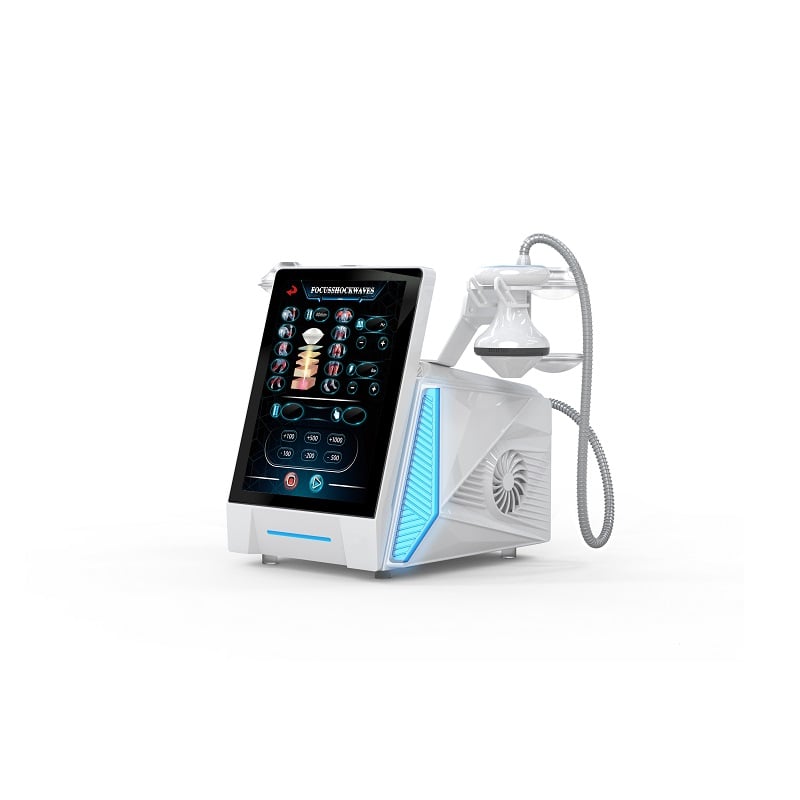
A useful plan combines manufacturer guidance with routine checks between formal services. For each shockwave device, teams should understand which parts experience regular loading, what signs indicate a change, and who is responsible for recording findings. This approach helps a clinic plan downtime without treating every component as if it ages at the same rate.
Start with the service and inspection schedule supplied for the specific system. It may distinguish cleaning, functional checks, calibration, and work that must be performed by qualified service personnel. A shockwave machine should not receive an improvised interval that conflicts with those directions; use the stated requirements as the minimum planning framework and clarify any uncertainty with the authorized technical contact.
Then record the operating context. Treatment volume, session duration, days in use, transport between rooms, and environmental conditions can all affect inspection needs. A shockwave device used continuously in a busy outpatient practice warrants closer observation than equipment used intermittently, even when both are the same age. Record hours or treatment counts when the system makes them available.
The calendar is only one signal. A shockwave unit exposed to frequent movement, dust, or temperature changes may need more frequent visual checks of its housing, cables, connectors, and ventilation openings. A physiotherapy shockwave service operating several shifts should also consider whether the cooling system and handpiece receive enough recovery time between sessions.
Changes should be conservative and traceable. If a clinic proposes shortening an interval after a rise in usage, document the reason, the component being monitored, and the person approving the adjustment. Do not extend a required service interval solely because a shockwave machine appears to function normally; internal wear may not be visible during routine use.
Create a component map that links each part to its purpose, inspection method, and service trigger. The treatment applicator and handpiece are handled repeatedly, so staff can watch for cracks, looseness, unusual noise, or changes in feel. For a shockwave machine, cables, connectors, and the control interface also merit regular visual review because damage or intermittent contact can disrupt a session.
Separate observable checks from technical tests. Staff may identify a damaged cable or a housing issue, while output verification, calibration, and internal repairs should follow the equipment instructions and be assigned to qualified personnel. A shockwave device can appear operational yet still require investigation if output becomes inconsistent or controls behave differently.
Pay attention to repeated patterns rather than isolated impressions. If the shockwave unit shows recurring interruptions, unusual heat, or a persistent change in applicator response, log the time, operating conditions, and error indication. In physiotherapy shockwave practice, this record helps distinguish a one-off setup issue from a developing maintenance concern.
Not every component deserves the same inspection frequency. Prioritize parts whose failure could stop treatment, create a safety concern, or affect consistent operation. A shockwave machine may remain available after a cosmetic defect, but a damaged connection, abnormal output, or unreliable control warrants prompt assessment under the service procedure.
Use risk to set review urgency, not to bypass technical requirements. A physiotherapy shockwave team should know when to stop using equipment, label it unavailable, and contact the responsible service channel. Making that decision early is often more manageable than discovering a fault during a fully scheduled clinic day.
Also consider consumable or replaceable items separately from durable assemblies. A shockwave device maintenance plan can specify routine cleaning and visual checks for frequently handled parts while reserving technical inspection for trained personnel. Clear boundaries reduce the chance that well-meaning staff attempt repairs outside their training.
A workable schedule has short pre-use checks, periodic documented inspections, and formal service at the interval required by the equipment documentation. For a shockwave machine, a pre-use check can confirm that the housing and leads look intact, accessories are correctly connected, and the system starts without an unexpected warning. Keep this check brief enough to be completed reliably.
Set periodic review dates according to actual workload and any local maintenance policy. A shockwave unit with high treatment volume may justify a more frequent review of external wear, while formal technical service remains tied to the specified schedule. Do not treat informal checks as substitutes for required calibration or professional servicing.
Plan service windows around clinic demand. A physiotherapy shockwave practice can review appointment patterns and arrange planned downtime during a quieter period, while retaining a clear process for faults that cannot wait. Keep the service contact details and equipment identification accessible so a technician can understand the issue without delaying the initial response.
A maintenance log should capture the date, operating hours or treatment count when available, inspection findings, actions taken, and the name of the person responsible. For a shockwave device, include recurring error messages and any parts replaced. These notes make it easier to see whether an interval is appropriate or whether the same issue returns soon after attention.
Review records at a practical cadence, such as during equipment checks or operational meetings. If a shockwave machine has repeated cable damage, examine handling and storage as well as service timing. When records show stable condition and low use, follow the manual before considering any change; history informs decisions but does not override required instructions.
Share the schedule with everyone who uses the equipment. A shockwave unit benefits when staff know the routine checks, escalation signs, and maintenance owner. In physiotherapy shockwave settings, this consistency also supports smoother handovers between clinicians and reduces reliance on one person’s memory.
Follow the service interval specified in the equipment documentation and adjust routine checks to match workload and operating conditions. A shockwave machine used heavily may need closer observation between formal services, but that does not replace required professional maintenance. Keep the shockwave machine schedule documented.
Visible damage, loose connections, repeated warnings, unusual heat, or a change in operation should be recorded and assessed under the service procedure. Stop use when the instructions or local safety policy call for it. A shockwave device should not be opened or repaired by unqualified staff; document any shockwave device concern for follow-up.
Yes. Higher use can justify more frequent observation of wear-prone parts, while formal service requirements still come from the equipment instructions. In physiotherapy shockwave clinics, track workload and recurring issues so decisions are evidence-based. Review the shockwave unit log and physiotherapy shockwave workflow before changing the schedule.

