

 EN

optimizing-session-lengths-in-tecar-therapy-treatment-courses, optimizing-session-lengths-in-tecar-therapy-treatment-courses, /blog
EN
Optimizing session lengths in TECAR therapy treatment courses means choosing enough treatment time to address the clinical goal without extending sessions by habit. The appropriate duration depends on the area being treated, the patient’s response, the selected application, and how the course is progressing. A planned review process makes each tecar therapy session purposeful while allowing clinicians to adapt safely.
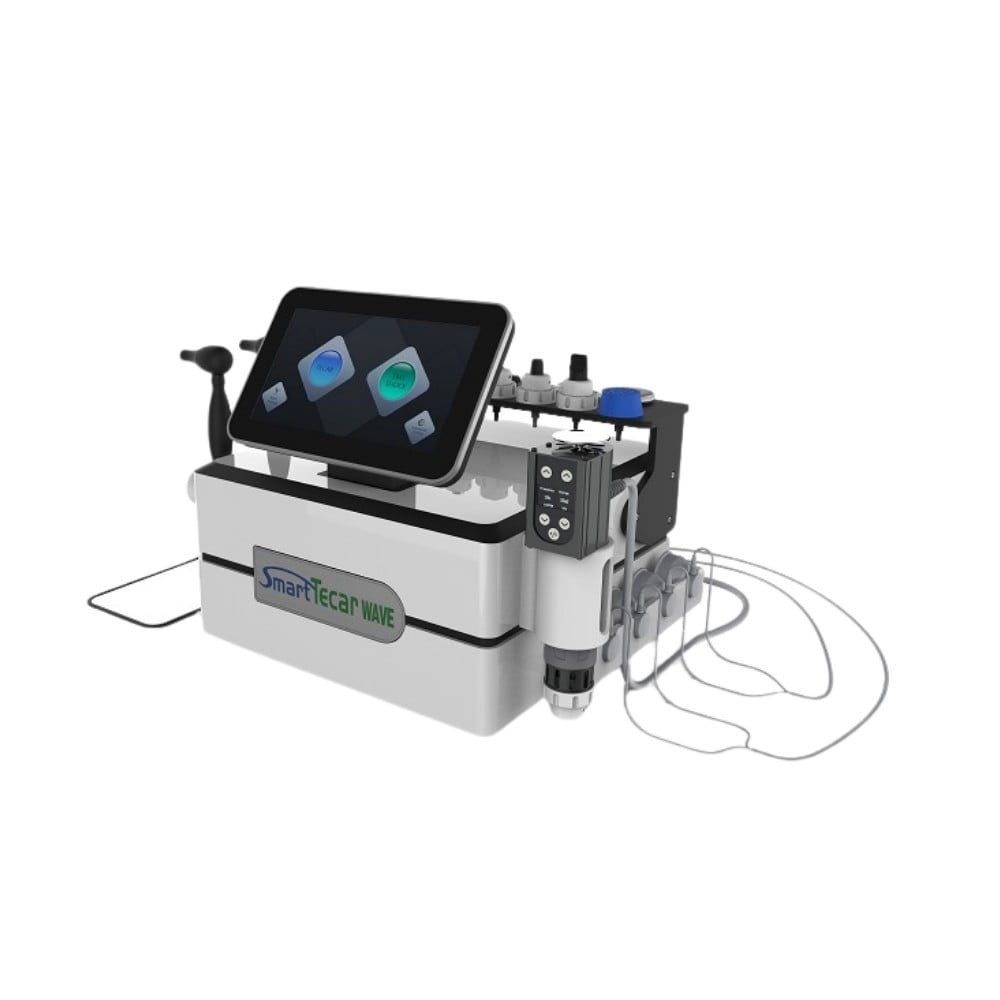
Session planning is not simply a matter of selecting a fixed number of minutes. Clinicians should relate treatment time to the intended response, the patient’s comfort, and the wider rehabilitation plan. Understanding capacitive resistive electric transfer and the functions of a radiofrequency therapy device can help practitioners organize delivery, while careful monitoring keeps deep heat therapy within an appropriate, tolerable range.
Start by identifying the specific goal for the visit, such as preparing tissue for movement, supporting comfort during exercise, or addressing a defined region. A focused tecar therapy plan makes session length easier to justify than a routine duration applied to every patient. The target also guides whether the clinician works locally or across a broader area, which affects how time is distributed.
The principles of capacitive resistive electric transfer matter because application approach and tissue focus influence the treatment sequence. Clinicians should decide which mode and region fit the purpose, then allocate time to each part rather than treating minutes as an isolated dose. When a radiofrequency therapy device offers several settings, its available options should be used according to the training, instructions, and clinical assessment, not as a reason to lengthen the visit.
A small, clearly defined area may require a different allocation from a larger region or a session that includes multiple treatment zones. The tecar therapy course should account for the patient’s baseline sensitivity, relevant history, and ability to communicate changes during treatment. The clinician can adjust the pace and coverage while checking for comfort instead of assuming that a longer application will create a better outcome.
Deep heat therapy should be approached with attention to perceived warmth and overall tolerance, especially when the intended treatment area or patient factors call for additional caution. In capacitive resistive electric transfer, the chosen application and the practitioner’s movement both shape how treatment is delivered. A radiofrequency therapy device may support different approaches, but device capabilities do not replace clinical judgment or the need to follow its operating guidance.
At the beginning of a course, use a conservative, clearly documented plan that allows the clinician to observe response. Record the target area, treatment approach, duration, patient feedback, and any relevant change in function. This gives subsequent tecar therapy appointments a meaningful reference point and reduces the chance that session time changes without a clinical reason.
A consistent assessment is particularly useful when capacitive resistive electric transfer is combined with exercise or other rehabilitation measures. Note whether the patient tolerates the session and how they respond during the next activity or follow-up. Deep heat therapy should not be judged only by warmth during application; the broader response and treatment objective matter. Keep the radiofrequency therapy device settings and duration traceable in the clinical record.
Review the course at planned intervals and compare the patient’s status with the baseline. If the target is being met and tolerance remains good, maintain an appropriate duration or progress the wider rehabilitation plan rather than automatically adding minutes. If response is limited, reassess the treatment goal, application area, technique, and complementary care before deciding whether tecar therapy time should change.
A change in symptoms, sensitivity, or function can justify modifying the session, but adjustment should be deliberate and documented. For capacitive resistive electric transfer, revisit the selected mode and delivery pattern alongside duration. Deep heat therapy remains guided by comfort and clinical suitability, not by a desire to reach a predetermined time. Use a radiofrequency therapy device within its instructions, and avoid treating settings or longer exposure as substitutes for reassessment.
The clinician should maintain communication during each session and check the patient’s response as treatment proceeds. Agree on how the patient will report discomfort, excessive warmth, or other unexpected sensations, and pause to assess concerns. This monitoring supports a measured tecar therapy session and helps ensure the planned duration remains appropriate as conditions change.
Practical setup also affects usable treatment time. Confirm that the treatment area, patient positioning, and equipment preparation are suitable before starting, and follow the instructions for the radiofrequency therapy device. The capacitive resistive electric transfer technique should be applied by a trained professional who can maintain contact and movement as required. These steps make the session more controlled without confusing efficient preparation with shortening necessary care.
At the end of the visit, record the actual duration, treatment area, approach, patient feedback, and the reasoning for any change from the plan. Notes should help another qualified clinician understand why the session length was selected and what should be reviewed next. For deep heat therapy, include relevant tolerance observations rather than recording duration alone.
Course planning should also define a review point and criteria for continuing, modifying, or ending this part of care. If the expected response is not emerging, reassess whether the treatment target or wider plan needs revision instead of extending every visit. A thoughtful tecar therapy schedule gives time a clinical purpose, while capacitive resistive electric transfer and radiofrequency therapy device choices remain linked to individual assessment, safe use, and measurable goals.
Not necessarily. A consistent plan can help with comparison, but duration may change with the treatment area, patient tolerance, and response. The clinician should document why a session differs and reassess the overall course rather than applying a fixed time to every visit.
Consider the clinical goal, observed response, comfort, and any relevant safety factors before changing duration. A longer application is not automatically more useful. Review technique and the wider rehabilitation plan, follow device guidance, and make adjustments under appropriate professional judgment.
Document the area treated, approach, duration, settings where relevant, patient feedback, and the rationale for adjustments. Include progress toward the treatment goal and the next review plan. This creates a useful record for adapting the course responsibly.

