

 EN

optimizing-shared-use-of-shockwave-machines-across-departments, optimizing-shared-use-of-shockwave-machines-across-departments, /blog
EN
Sharing a shockwave machine across departments can expand access to treatment equipment, but it also creates operational demands. Departments need to coordinate appointments, align clinical protocols, and know who is responsible for setup and care. A clear shared-use model helps teams make the equipment available without letting handoffs, unclear priorities, or inconsistent documentation disrupt daily work.
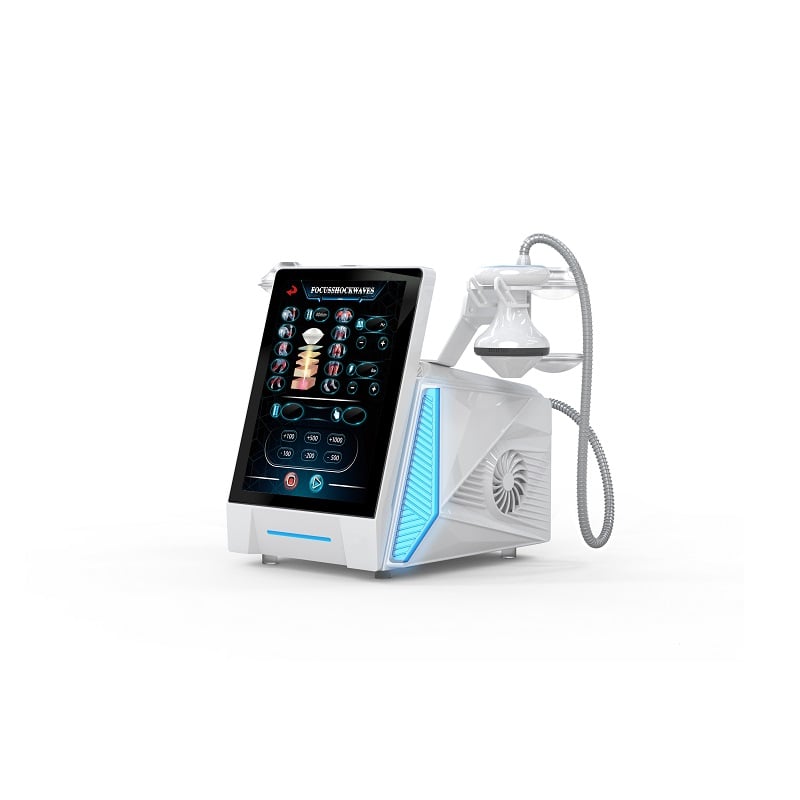
The practical goal is not simply to move a shockwave unit between rooms. It is to create a dependable process that fits each department’s patient flow, staff capability, and available space. Whether teams use a dedicated shockwave device or a physiotherapy shockwave system, shared access works best when scheduling, treatment readiness, and accountability are planned together.
Start by identifying which departments expect to use the shockwave machine, what appointment patterns they follow, and how long the equipment is typically needed. Include setup, cleaning, documentation, and room turnover in the time estimate rather than scheduling only the treatment itself. This gives each team a realistic view of capacity and prevents the shockwave device from being booked for overlapping sessions.
A physiotherapy shockwave service may have recurring clinic blocks, while another department may need occasional access for specific cases. Record these differences before creating a shared calendar. When demand is visible, managers can set predictable access windows and decide how urgent requests will be handled without relying on informal messages or assumptions about who has priority.
Use one booking method that all participating teams can see, and make the reservation include the room, responsible clinician, and expected return time. The shockwave unit should have a named user for each session, even when several staff members are present. A shared calendar, written handoff, and simple late-return process help protect the next department’s appointment schedule.
Agree in advance how teams will resolve a conflict, such as a patient needing an extended appointment or a clinician requesting a same-day slot. The rule might prioritize a documented clinical need while offering the displaced team the next available window. These expectations make shared use of the shockwave machine more predictable and reduce friction between departments.
Different departments may work in different rooms, so define how the shockwave device is moved, connected, and checked before use. Staff should know where approved accessories are stored, how to inspect cables and applicators, and how to confirm the equipment is ready according to its instructions. A physiotherapy shockwave workflow should also specify who prepares the treatment space and returns the equipment after the session.
Keep the setup process practical and consistent rather than relying on one experienced employee’s memory. A brief readiness record can note the user, room, and any issue observed. It also gives the next team useful context if the shockwave unit needs attention, without turning routine handoffs into lengthy administrative work.
Shared access does not mean every department must treat every case identically. Instead, establish common documentation fields for the shockwave machine, including the responsible clinician, session date, relevant settings, and any equipment concern. Each clinician remains responsible for decisions within their role and local clinical procedures.
Agree on how treatment records are stored and how information follows the patient when care crosses departments. Consistent records can help teams understand what has already been done and avoid gaps in follow-up. For a physiotherapy shockwave service, the shared template should capture information clinicians actually use, while leaving room for department-specific assessment and notes.
Before staff book independent access, confirm that they have the training required for their role and understand the operating instructions. A department lead or designated coordinator can maintain the authorization process and direct questions about the shockwave device. Clear responsibility helps prevent the shockwave unit from becoming available on the calendar while no qualified user is ready to operate it.
Define who performs routine checks, reports faults, arranges service, and communicates when the shockwave machine is unavailable. Keep fault reporting simple: staff should be able to describe the issue, identify when it appeared, and mark the equipment as unavailable when appropriate. These steps support safe, transparent use without making unsupported assumptions about equipment performance.
After the shared schedule has been in use, review bookings, cancellations, delays, and periods when the shockwave unit sat idle. Ask department representatives where handoffs worked and where they created extra work. A review should focus on operational evidence, not on blaming a team for demand that the original schedule failed to anticipate.
Adjust access blocks when clinic patterns change, and make sure all users know which version of the process is current. A physiotherapy shockwave team may need a different recurring window during a busy season, while another department may need fewer reserved hours. Revisit responsibilities for the shockwave device during the same review so that scheduling changes do not leave maintenance or communication tasks unassigned.
Use a shared calendar and an agreed priority rule rather than settling conflicts through private requests. Identify the clinical need, check for alternate appointment times, and document any change so the next user knows the shockwave machine’s status. If conflicts recur, revise the schedule instead of treating each one as an exception.
A handoff should identify the next user, equipment location, room readiness, and any fault or accessory issue that needs attention. For a physiotherapy shockwave session, the clinical record belongs in the approved patient documentation system; the equipment handoff should not replace it. Keep the shockwave unit’s status visible to the next department.
Review the process after initial implementation and whenever staffing, appointment patterns, or room arrangements change. Teams can also schedule periodic checks to identify recurring delays and gaps in training. Use those findings to update access rules, clarify who maintains the shockwave device, and keep shared use workable for everyone.

