

 EN

optimizing-shockwave-workflow-in-sports-rehabilitation-clinics, optimizing-shockwave-workflow-in-sports-rehabilitation-clinics, /blog
EN
Optimizing a sports rehabilitation clinic’s shockwave workflow means making each stage—from referral review to follow-up—consistent, safe, and easy to document. A shockwave therapy machine is only one part of that process: clinical screening, clear treatment goals, staff coordination, and outcome review determine how well the service fits into routine care. A structured approach helps clinicians manage appointments without treating equipment setup as an isolated task.
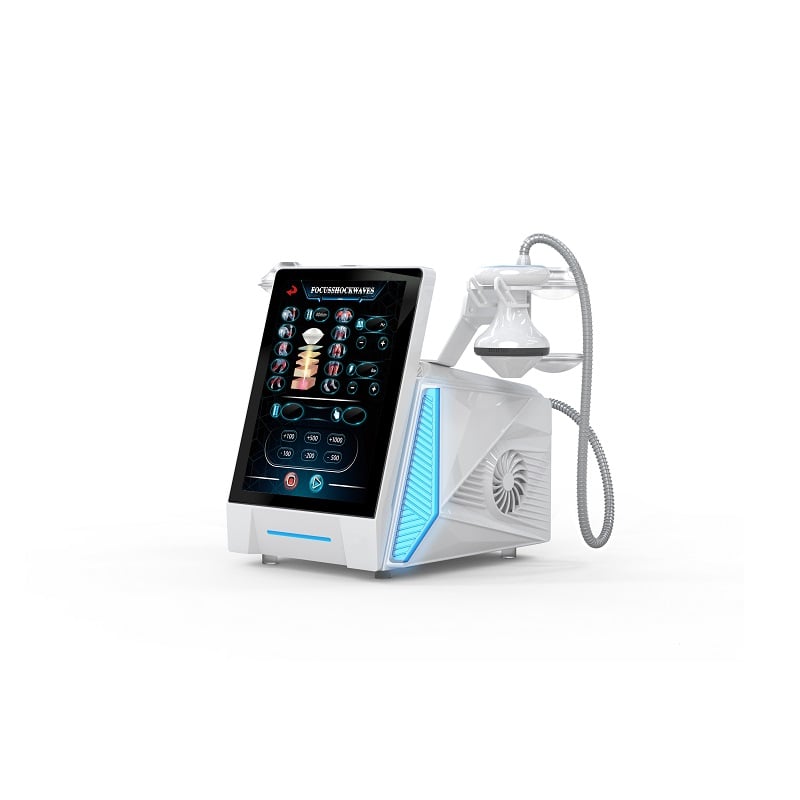
The workflow should connect assessment to treatment selection and reassessment, while respecting each clinic’s protocols and the clinician’s judgment. Planning for extracorporeal shockwave therapy includes checking patient suitability, setting aside time for explanation, and preparing the treatment area. A radial shockwave device may be used within a broader musculoskeletal therapy plan, so scheduling and records should reflect the complete care pathway rather than a device session alone.
Begin with a referral review and a focused clinical assessment. Record the presenting problem, relevant history, current activity demands, and the findings that support considering extracorporeal shockwave therapy. This keeps the decision connected to the patient’s needs instead of allowing appointment availability or equipment location to drive treatment.
Before booking, confirm that the proposed plan is consistent with clinic policy and the clinician’s scope of practice. Explain the intended role of the shockwave therapy machine, expected appointment steps, and how progress will be judged. In musculoskeletal therapy, a specific functional objective—such as improving tolerance for a sport-related task—gives later reviews a practical point of comparison.
Use a repeatable room-readiness check before the patient arrives. Confirm that the radial shockwave device is available, the treatment space is clean, accessories are ready, and maintenance or inspection requirements have been completed. Staff should know who checks the equipment and where to record any issue that could affect safe use.
At the appointment, verify the treatment site and revisit the patient’s understanding before beginning. Follow the device instructions and clinic protocol when configuring the shockwave therapy machine; do not rely on memory or informal settings passed between appointments. A brief, consistent explanation of sensations, communication cues, and the option to pause supports a more controlled musculoskeletal therapy session.
A clear session sequence reduces avoidable variation. Start with a concise update on symptoms and activity since the last visit, confirm the treatment plan, prepare the area, and document the session when complete. For extracorporeal shockwave therapy, the clinician should follow the applicable protocol and adjust care only through an appropriate clinical decision, not simply to keep the schedule moving.
Scheduling should allow enough time for assessment, setup, treatment, and record completion. A radial shockwave device may be shared across rooms or clinicians, so a visible booking process can prevent delays and clarify responsibility for returning accessories. Include a buffer when the visit requires additional discussion, and avoid compressing patient education to accommodate an unrealistic appointment template.
Define which team member handles room preparation, equipment checks, patient instructions, and documentation. In a busy clinic, unclear ownership can lead to missed checks or duplicate work. Shared standards for the shockwave therapy machine help clinicians maintain continuity while ensuring that treatment decisions remain with the appropriately qualified professional.
Keep the record useful to the next clinician. Note the treatment area, the relevant settings and protocol details required by clinic policy, the patient’s response, and any change in plan. These details make musculoskeletal therapy easier to coordinate across visits and allow another team member to understand why the current approach was selected. Protect time for documentation rather than relying on end-of-day recollection.
Set a reassessment point when establishing the treatment plan, rather than continuing sessions automatically. Review symptoms alongside a meaningful functional measure, such as tolerance for a relevant training or daily activity. For extracorporeal shockwave therapy, the review should inform whether the plan remains appropriate, needs modification, or should give way to another clinical option.
Consistent notes make patterns easier to interpret. Record the patient’s response after each visit and compare it with the original objective, while recognizing that recovery may be influenced by training load and other care. When the radial shockwave device is part of a wider rehabilitation plan, document how its use relates to exercise, education, and activity guidance instead of presenting it as the entire intervention.
Clinic leads can review practical measures such as appointment delays, incomplete records, equipment downtime, and cancellations. These indicators do not prove clinical effectiveness, but they can reveal workflow friction. If the shockwave therapy machine is frequently unavailable when booked, examine room allocation, readiness checks, and maintenance procedures before changing the clinical schedule.
Use staff feedback and patient questions to improve instructions and handoffs. A musculoskeletal therapy pathway is easier to navigate when patients know what each visit involves and how progress will be reviewed. Periodically confirm that staff training, equipment documentation, and clinic protocols remain current. Make small, documented process changes, then review whether they reduce confusion without compromising clinical judgment.
Use a shared booking process, assign responsibility for room preparation, and confirm equipment readiness before the patient arrives. Allow appropriate time for explanation and documentation. A radial shockwave device shared between rooms needs clear handoffs, while extracorporeal shockwave therapy appointments should not be shortened in ways that bypass clinic protocol.
Follow clinic policy and record relevant treatment details, the patient’s response, and any decision to continue or revise the plan. Tie notes to the original functional objective. This creates continuity for musculoskeletal therapy and gives the next review a useful basis for discussion.
Set a review point when agreeing on the plan, and reassess sooner if the patient’s response or circumstances warrant it. Compare function and symptoms with the starting point, then decide whether the shockwave therapy machine remains appropriate within the broader rehabilitation program. Document the reasoning and next steps.

