

 EN

optimizing-treatment-protocols-for-shockwave-therapy-machines, optimizing-treatment-protocols-for-shockwave-therapy-machines, /blog
EN
Optimizing treatment protocols starts with matching the intervention to the clinical goal, not applying one preset to every patient. A shockwave therapy machine should be used within a structured plan that considers diagnosis, tissue sensitivity, treatment area, and response over time. This approach helps clinicians make decisions consistently while preserving room for individual assessment.
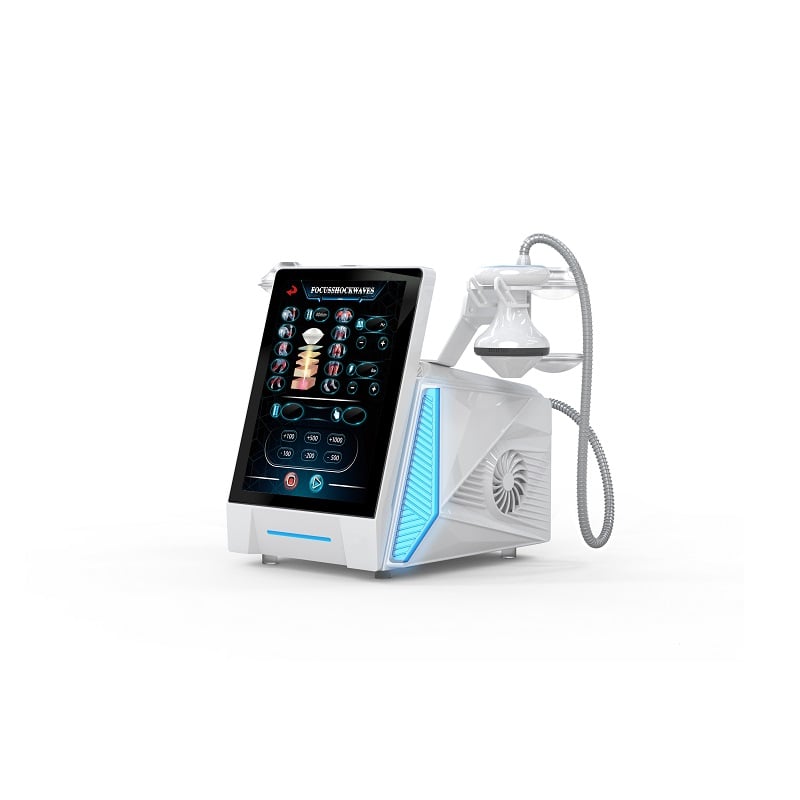
The practical aim is to set clear parameters, deliver energy in a controlled manner, and review outcomes before adjusting care. Whether a clinic uses a radial shockwave device or focused technology, protocols should distinguish device capabilities from clinical decisions. In musculoskeletal therapy, thoughtful documentation and communication make each session easier to evaluate and adapt.
Begin by documenting the working diagnosis, symptom duration, functional limitations, and the specific tissue or region being treated. A shockwave therapy machine is not a diagnosis tool, so confirm that the intended application is appropriate before selecting settings. Baseline measures such as pain during a relevant movement or a simple functional task give the team a reference for later review.
For extracorporeal shockwave therapy, the treatment plan should state what change the clinician expects to assess, such as improved tolerance of loading or easier participation in rehabilitation. Record the location and presentation of symptoms rather than relying on a broad label alone. In musculoskeletal therapy, this focus helps connect each session to a useful clinical question.
Map the treatment area using examination findings and patient feedback, then explain the intended sensation and likely session sequence. A radial shockwave device may be selected for a broader superficial area, while focused delivery may suit a more localized target when supported by the clinical rationale. Confirm the device instructions and applicator requirements before treatment.
Set energy, frequency, pulse count, and applicator according to the device guidance, treatment objective, and patient tolerance. The shockwave therapy machine should not be used at a higher setting simply to make a session feel more intensive. Start within a clinically appropriate range and adjust only when the response and treatment purpose justify a change.
When planning extracorporeal shockwave therapy, make the selected dose traceable: note the settings, treated area, and reason for any adjustment. This reduces variation between clinicians and supports a meaningful review at the next visit. For musculoskeletal therapy, the protocol should also identify whether treatment is paired with exercise, activity modification, or other components of care.
A radial shockwave device requires sound contact and controlled movement across the intended area. Check coupling, applicator condition, and patient positioning so energy delivery is consistent with the device instructions. Pause if discomfort becomes unexpected, the patient cannot maintain a suitable position, or the clinical picture changes during the session.
A reliable workflow starts with a brief symptom check, confirmation of the treatment target, and review of relevant precautions. Explain where the applicator will be placed and how the patient can signal that treatment needs to pause. With a shockwave therapy machine, this simple preparation supports clear communication and helps clinicians respond promptly to changing tolerance.
During extracorporeal shockwave therapy, keep the applicator movement and contact deliberate rather than rushing through the planned area. Observe facial expression, verbal feedback, and protective movement as well as reported discomfort. A radial shockwave device should be handled according to its operating instructions, with the clinician maintaining stable positioning throughout delivery.
Document the actual treatment rather than copying a previous session without review. Record any deviation from the planned settings, the patient’s immediate response, and any issue that affected delivery. In musculoskeletal therapy, this record connects device use to the wider care plan and makes follow-up decisions more defensible.
After each session, compare the patient’s response with the baseline and agreed goal. A shockwave therapy machine protocol may remain unchanged when the response is appropriate, or be modified when tolerance, function, or symptoms indicate a different course. Avoid treating short-term soreness as the only measure of success or failure.
If planning extracorporeal shockwave therapy across several visits, define a review point rather than assuming that every patient needs an identical course. The clinician can consider adherence, functional progress, symptom behavior, and new examination findings together. This makes treatment decisions more specific than repeating a preset schedule without checking whether it still fits.
A radial shockwave device can be used within an individualized plan, but settings should not be changed casually between sessions. Keep a clear account of why an adjustment was made and what outcome will be checked next. If progress is limited or symptoms worsen, reassess the diagnosis and care plan instead of simply increasing intensity.
Establish a pre-treatment check that covers the patient, target area, device condition, and manufacturer instructions. The shockwave therapy machine should be operated by appropriately trained staff who understand the controls, applicators, and relevant precautions. Clear escalation steps help the team stop treatment and seek clinical review when findings fall outside the agreed plan.
For extracorporeal shockwave therapy, keep the treatment record complete enough for another clinician to understand the rationale and reproduce appropriate elements of care. Use consistent terminology for location and settings, and note relevant patient feedback. In musculoskeletal therapy, shared documentation improves continuity when several clinicians contribute to rehabilitation.
Schedule reassessment around meaningful changes in function and symptoms, not just the number of sessions delivered. A radial shockwave device is one component of care; consider how the patient is responding to exercise, daily activity, and any agreed self-management. Use findings to continue, adapt, pause, or reconsider the intervention.
A clinic can refine its protocol by reviewing documented decisions, patient tolerance, and outcome measures at regular intervals. For musculoskeletal therapy, this review should identify whether the treatment target and complementary rehabilitation remain appropriate. The aim is a consistent framework that still allows professional judgment, not a rigid recipe that ignores individual presentation.
Use device instructions, clinical rationale, and patient-specific assessment to choose an appropriate starting point. With a shockwave therapy machine, document the selected settings and monitor tolerance rather than treating a preset as universally suitable. Reassess the response before making changes.
No. Extracorporeal shockwave therapy should be planned around the patient’s presentation, response, and broader care goals. Review progress at defined points, and adapt the plan when clinical findings or tolerance warrant it rather than repeating a fixed schedule automatically.
Train staff on device operation, use shared documentation standards, and record the reason for treatment decisions. A radial shockwave device should be used within a clear workflow, while musculoskeletal therapy outcomes are reviewed alongside functional goals. Consistency comes from repeatable checks and thoughtful reassessment.

