

 EN

optimizing-treatment-speed-without-losing-diode-laser-efficacy, optimizing-treatment-speed-without-losing-diode-laser-efficacy, /blog
EN
Optimizing treatment speed does not mean moving a handpiece faster at any cost. For clinics, the practical goal is to complete sessions efficiently while delivering consistent energy, safe coverage, and a suitable treatment experience. A diode laser hair removal machine can support that goal when its settings, cooling, and workflow are matched to the client and treatment area.
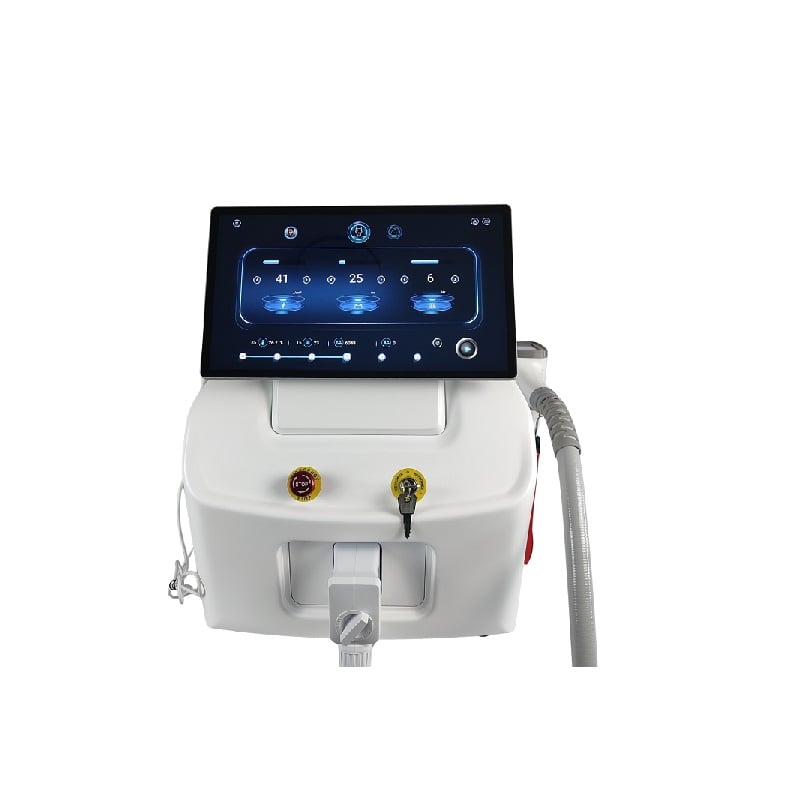
The key is to distinguish productive speed from rushed delivery. A hair removal laser may allow rapid repetition, but efficacy still depends on appropriate fluence, pulse duration, contact, and overlap. Understanding how an 808nm diode laser is used, and how a professional hair removal device supports consistent operation, helps teams improve throughput without treating speed as a substitute for clinical judgment.
Start with a client assessment and the device guidance, rather than choosing settings to meet a time target. Skin characteristics, hair color and coarseness, treatment area, and prior response all affect parameter decisions. A diode laser hair removal machine should be used within its specified operating range, with adjustments made by a trained practitioner according to the individual case.
An 808nm diode laser is commonly selected for hair reduction because its wavelength is used to target pigment in the hair follicle. That does not make one setting appropriate for every client. When operating a hair removal laser, consider pulse duration and fluence together, follow the device protocol, and observe the skin response. A professional hair removal device should make controls clear enough for the operator to verify settings before a pass.
A test area can help the practitioner assess comfort and visible response before treating a larger zone, especially when the client or treatment context is unfamiliar. Allow the appropriate observation period specified by clinical guidance. This measured step can prevent a fast start followed by a pause, reassessment, or avoidable change in the treatment plan.
During a session, check comfort and skin response at sensible intervals instead of focusing only on the display. With a diode laser hair removal machine, consistent technique matters as much as a selected number. The 808nm diode laser should be operated according to the manufacturer’s instructions and the clinic’s protocol, while the professional hair removal device settings remain documented for continuity between visits.
A defined treatment pattern is one of the simplest ways to improve pace without reducing coverage. Divide the area into manageable zones, work in a consistent direction, and use the device’s recommended overlap. A hair removal laser moved unpredictably can leave untreated gaps or duplicate passes, creating rework and inconsistent exposure rather than genuine efficiency.
For a diode laser hair removal machine, the operator should keep contact and handpiece angle consistent throughout each zone. Use the 808nm diode laser in the mode and motion specified for the device, since stamping and in-motion methods may require different techniques. A professional hair removal device with clear treatment controls can support repeatable passes, but operator attention remains essential.
Preparation protects treatment time from preventable interruptions. Confirm the planned area, client positioning, eye protection, skin preparation, and device readiness before beginning energy delivery. Explain expected sensations and establish a way for the client to communicate discomfort. These steps create a steadier session than trying to recover lost time after treatment has started.
Check cooling readiness and handpiece condition according to the operating instructions. Cooling can support comfort and help maintain a workable treatment rhythm, but it does not justify raising energy or moving beyond the protocol. A hair removal laser should be paused if cooling performance or contact becomes uncertain. Confirming readiness on a diode laser hair removal machine reduces needless stops while preserving controlled delivery.
Faster repetition is useful only when the practitioner can maintain positioning, contact, overlap, and observation. If the handpiece begins to skip or the operator loses track of the treatment boundary, slow down and reset the pattern. The aim is not the highest possible pulse rate; it is the fastest pace that preserves the planned technique and a safe client experience.
When evaluating a diode laser hair removal machine, consider whether controls and feedback fit the clinic’s workflow and operator training. An 808nm diode laser may be used in different treatment approaches, so the appropriate pace depends on the device instructions and the treatment plan. A professional hair removal device should be assessed for usability and process fit, not only for headline speed.
Record treatment settings, area, client feedback, and relevant skin response in accordance with clinic policy. Review that information before later sessions to understand whether the treatment plan remains appropriate. A record helps the team distinguish a genuine workflow improvement from a shorter appointment that compromises coverage, comfort, or follow-up consistency.
Session timing should reflect the area and the client, not a fixed production target. If a treatment repeatedly runs long, identify the cause: preparation, room setup, technique, device interruptions, or an overly broad treatment zone. Adjust the process before changing energy settings. With a diode laser hair removal machine, sustainable efficiency comes from repeatable decisions and disciplined delivery.
Often, workflow improvements can save time without changing fluence. Better preparation, organized zoning, and consistent movement may reduce delays. A hair removal laser still needs to follow its instructions, and the 808nm diode laser should be used at parameters appropriate to the client and treatment plan.
No. A higher pulse rate may help only when the operator can preserve contact, overlap, and observation. If technique becomes inconsistent, the session can require corrections. A professional hair removal device is effective in a workflow only when its pace suits the operator and protocol.
Assess the controls, cooling approach, handpiece handling, operating instructions, and training requirements alongside treatment needs. A diode laser hair removal machine should fit the clinic’s procedures and client mix. Verify that the hair removal laser supports a repeatable process, and evaluate the 808nm diode laser options within the device guidance rather than relying on speed claims.

