

 EN

optimizing-treatment-zones-in-focused-shockwave-therapy-programs, optimizing-treatment-zones-in-focused-shockwave-therapy-programs, /blog
EN
Optimizing treatment zones in focused shockwave therapy starts with matching the target area to the patient’s symptoms, examination findings, and functional goals. The aim is not to treat the largest area; it is to deliver a considered treatment plan to a defined region. A disciplined approach to extracorporeal shockwave treatment and orthopedic rehabilitation helps clinicians make zone selection purposeful and repeatable.
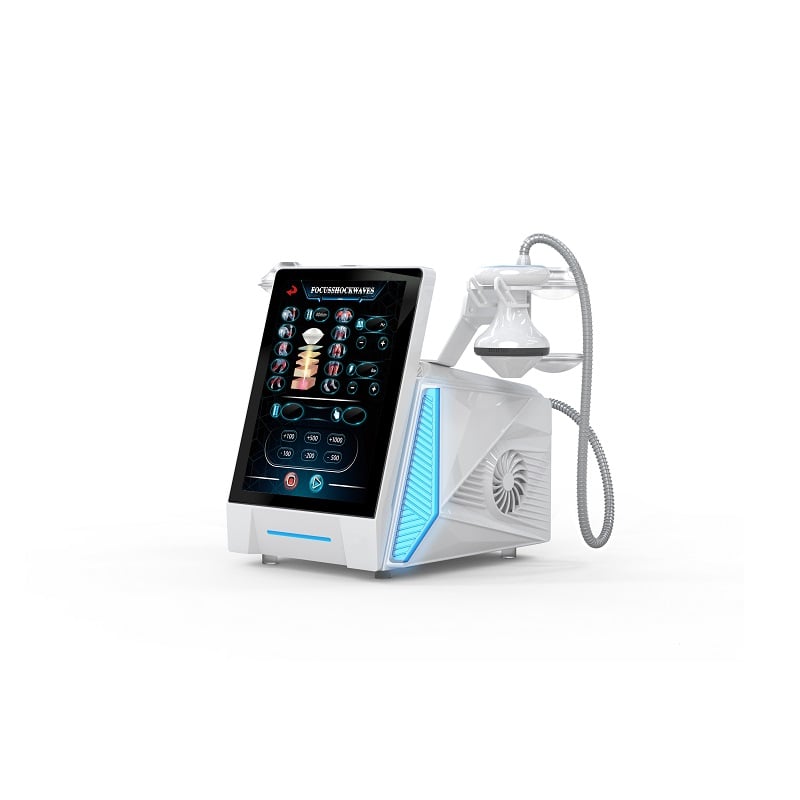
A useful treatment zone is specific enough to guide application, yet broad enough to reflect the tissue and symptoms being assessed. In focused shockwave therapy, clinicians can use the focused shockwave device to plan a deliberate approach rather than treating by habit. This is especially relevant in orthopedic rehabilitation, where a patient’s reported pain, movement limitations, and examination findings may not point to precisely the same location.
Begin by clarifying where symptoms occur, what activities provoke them, and how they affect function. Palpation and movement assessment can help identify whether the intended target is a localized attachment, a broader soft-tissue region, or a point associated with a specific functional limitation. Focused shockwave therapy is more coherent when these findings inform the zone, while extracorporeal shockwave planning also accounts for the intended tissue and clinical purpose.
A symptom map should guide assessment, not replace it. Compare the patient’s description with tenderness, range of motion, loading tolerance, and relevant functional tasks. The focused shockwave device should then be set up to address the clinically selected target, not simply the place that is easiest to access. In orthopedic rehabilitation, documenting why that target was selected makes the treatment rationale clearer across visits.
Define the center and edges of the treatment zone before beginning. A compact target may suit a clearly localized finding, while a broader region may be appropriate when symptoms and examination indicate a more distributed area. Focused shockwave therapy should stay aligned with the assessment as the clinician considers the planned extracorporeal shockwave application, rather than expanding the zone without a clinical reason.
Patient position and access also affect how consistently a zone can be treated. Choose a position that supports comfort, stable contact, and clear access to the intended anatomy. When applying a focused shockwave device, make the target and approach understandable to the patient, and confirm comfort before proceeding. This preparation supports a measured session and more useful notes for orthopedic rehabilitation follow-up.
Device settings should follow the treatment plan and the device’s instructions, with clinical judgment guiding any adjustment. Consider the zone, patient tolerance, treatment objective, and relevant precautions before selecting parameters. Focused shockwave therapy does not call for identical settings at every site; the focused shockwave device should be operated in a way that reflects the intended application and the patient’s response.
Explain what the patient may feel and agree on a way to communicate discomfort during treatment. Begin conservatively when appropriate, then follow the established clinical protocol rather than making abrupt changes to chase an immediate sensation. For extracorporeal shockwave sessions, clear communication helps distinguish expected treatment feedback from a reason to pause and reassess. Record the settings used so the next orthopedic rehabilitation visit has a meaningful reference point.
Keep the applicator approach consistent with the chosen zone and the device guidance. Stable positioning, appropriate contact, and deliberate movement help clinicians repeat the planned treatment across sessions. Focused shockwave therapy benefits from a clear delivery routine, while ongoing observation of patient comfort can signal when the clinician should pause, check technique, or revisit the planned target.
Avoid changing several variables at once without a documented reason. If a treatment zone or setting changes, note what prompted the change and what was observed. This makes extracorporeal shockwave care easier to review and supports sound decisions in orthopedic rehabilitation. A consistent process does not mean every patient receives the same application; it means differences are intentional, explainable, and linked to assessment.
At follow-up, ask how symptoms have changed and whether daily activities or relevant functional tasks feel different. Recheck the original findings rather than relying only on a general impression of improvement. A focused shockwave therapy plan should remain responsive to what the patient reports and what the clinician observes. The focused shockwave device is one part of care, so reassessment should also consider the wider rehabilitation plan.
Use a consistent set of observations where practical, such as tenderness at the defined site, movement tolerance, or the patient’s ability to complete a relevant task. These details help determine whether the current zone still fits the clinical picture. When extracorporeal shockwave treatment is part of orthopedic rehabilitation, linking follow-up notes to the initial goals makes progress and unresolved issues easier to interpret.
A change in symptoms, examination findings, or function may justify reviewing the treatment zone. The clinician can confirm the original target, refine its boundaries, or reconsider the plan when the findings no longer support it. Focused shockwave therapy should not continue at a familiar location simply because it was used previously. Changes to the focused shockwave device application should follow clinical judgment and applicable instructions.
If the response is limited or unexpected, first revisit the assessment, adherence to the plan, treatment tolerance, and other factors that may influence symptoms. Do not assume that increasing intensity or enlarging the zone is automatically appropriate. Document the reasoning behind any adjustment to extracorporeal shockwave care, then monitor the effect within the broader orthopedic rehabilitation program. This keeps treatment decisions transparent and tied to patient-specific findings.
Combine the patient’s symptom location with examination findings, functional limitations, and the intended treatment objective. Focused shockwave therapy planning should identify a defined target before application, with the zone recorded clearly enough to review at follow-up.
No. Keep the planned zone when reassessment continues to support it, and change it only when findings or clinical reasoning justify an adjustment. Review the focused shockwave device approach and extracorporeal shockwave plan in context rather than changing settings by routine.
Record the target and its rationale, relevant settings, patient tolerance, and response. In orthopedic rehabilitation, these notes connect each focused shockwave therapy session to functional goals and help guide decisions about whether the treatment zone remains appropriate.

