

 EN

pemf-therapy-device-buying-guide-for-rehabilitation-equipment-distributors, pemf-therapy-device-buying-guide-for-rehabilitation-equipment-distributors, /blog
EN
A distributor evaluating a pemf therapy device needs to judge more than its technical specifications. The right decision depends on the rehabilitation settings it can serve, how easily clinicians can integrate it into treatment workflows, and whether the equipment fits the distributor’s training and service capabilities. These criteria matter when building a coherent physical therapy equipment portfolio.
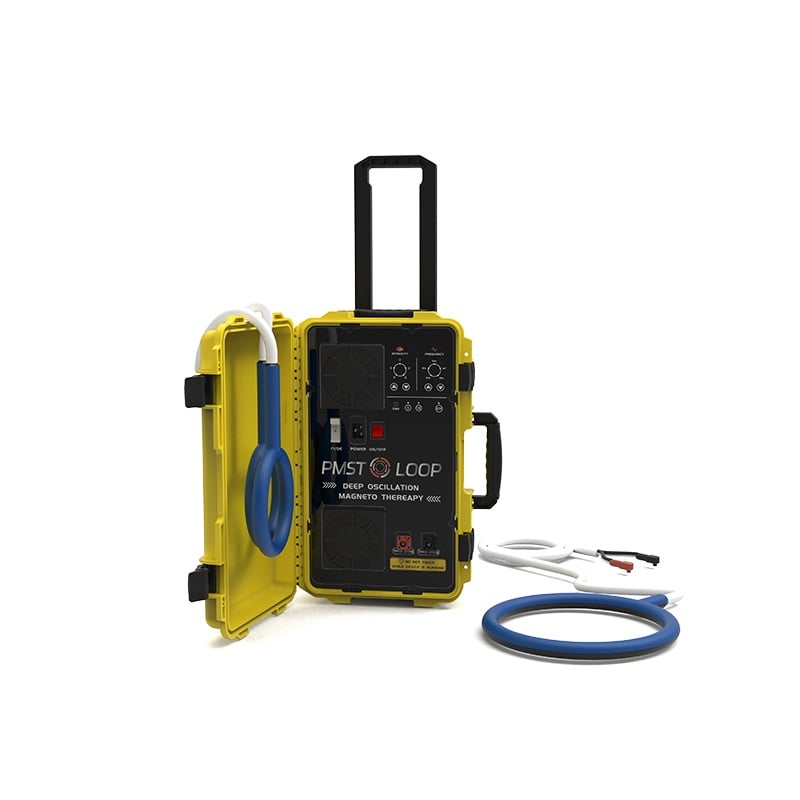
This guide focuses on practical buying decisions for rehabilitation equipment distributors: how to assess clinical fit, compare a device with complementary modalities, and plan implementation after purchase. It also clarifies where pmst fits in a clinic’s service mix and why a shockwave therapy machine or focused shockwave therapy system should be assessed on its own treatment purpose rather than treated as an interchangeable alternative.
Start by identifying the clinical settings and patient groups your customers serve. A pemf therapy device may be relevant to practices seeking a non-invasive modality that can be incorporated into rehabilitation care, but its suitability depends on the clinic’s protocols, practitioner expertise, and patient assessment process. For distributors, this means asking about intended use before presenting specifications or projecting demand for physical therapy equipment.
Clarify how the system is intended to be operated, what treatment areas it supports, and what training the user needs. Ask the prospective clinic to consider treatment-room availability, appointment duration, patient positioning, and staff responsibilities. This practical review helps establish whether pmst can fit existing workflows, rather than assuming that a new modality will automatically complement current services.
A clinic may already use a shockwave therapy machine, or it may be considering one while expanding its rehabilitation offering. Explain the difference in modality and intended treatment approach without suggesting that one system replaces the other. Focused shockwave therapy has its own clinical rationale and operating considerations, so distributors should present it as a separate portfolio decision with distinct training and workflow needs.
The strongest portfolio discussion begins with the clinic’s goals, not a catalogue comparison. Ask whether the buyer wants to broaden treatment options, serve a different patient pathway, or improve how existing rooms are used. Then explain how a pemf therapy device could sit within that plan, alongside other physical therapy equipment, while leaving clinical decisions to qualified practitioners.
Compare specifications against the environments where the system will be used. Consider the applicator or loop configuration, control interface, adjustment options, footprint, electrical requirements, and the information supplied for installation. For pmst equipment, the buyer should also understand the intended operating procedure and any practical constraints stated in the documentation. A specification only has value when it helps a clinic assess fit.
Ask how the clinic expects staff to prepare, position, operate, and clean the equipment between appointments. These steps affect room turnover and consistency, even when the treatment itself is straightforward. Compare that workflow with the clinic’s current use of a shockwave therapy machine, but avoid assuming that controls or procedures will transfer between devices. Each modality needs its own orientation and operating guidance.
Before purchase, review the instructions for use, contraindications, maintenance guidance, warranty terms, and available technical support. Ensure the clinic understands which staff are qualified to operate the equipment and what training is expected. Focused shockwave therapy and magnetic therapy are different modalities, so a practitioner’s experience with one should not be presented as a substitute for device-specific training on another.
A distributor should be prepared to explain delivery, commissioning, user education, and escalation routes for service questions. Confirm what documentation accompanies the system and how updates or replacement components are handled. When customers compare physical therapy equipment, clear answers about these operational details can be more useful than emphasizing features that do not affect their treatment environment or purchasing criteria.
Estimate demand by considering the number of suitable clinics, local treatment patterns, budget cycles, and staff readiness. A clinic may show interest in pmst but still need time to review clinical protocols, obtain internal approval, or arrange training. Discuss a realistic implementation timeline rather than treating initial interest as a confirmed order. This approach helps distributors plan inventory and support without overstating likely uptake.
Include the buyer’s full operating context in the commercial discussion. Ask who will evaluate the purchase, who will use the device, and who will manage maintenance or service requests. If the clinic is also acquiring a shockwave therapy machine, help it consider whether both purchases fit its space, staffing, and investment plan. The aim is an informed decision, not a bundle that ignores operational capacity.
Adoption depends on what happens after installation. Provide a clear handover covering setup, operating guidance, routine care, and the route for technical questions. Encourage the clinic to assign responsibility for staff training and equipment records. A pemf therapy device is more likely to be used consistently when its place in the clinic’s workflow is understood and new users can access reliable guidance.
Keep follow-up focused on practical experience: whether staff can use the system as intended, whether room logistics are manageable, and whether the clinic needs additional instruction. This feedback can inform future recommendations across your physical therapy equipment range. It can also help distinguish a need for more support from a mismatch between the original purchase assumptions and the clinic’s actual service model.
Confirm the clinic’s intended application, user training needs, room setup, operating procedure, and documentation requirements. Discussing pmst in this context keeps the conversation grounded in suitability and workflow rather than unsupported claims about outcomes or demand.
A clinic may consider both, but the decision should reflect its clinical protocols, staffing, space, and budget. A shockwave therapy machine and focused shockwave therapy approach should be assessed separately from magnetic therapy, with device-specific training and appropriate practitioner judgment.
Ask about treatment goals, patient pathways, operating capacity, and support expectations before recommending physical therapy equipment. Explain the relevant specifications and service arrangements clearly, and help the buyer assess whether pmst fits its plans without replacing clinical evaluation or promising results.

