

 EN

pemf-therapy-device-vs-pmst-key-differences-for-equipment-buyers, pemf-therapy-device-vs-pmst-key-differences-for-equipment-buyers, /blog
EN
For equipment buyers comparing a pemf therapy device with PMST, the key distinction is how each system delivers pulsed electromagnetic energy and how that approach fits a clinic’s treatment plan. PMST is a form of pulsed magneto therapy; the label alone does not establish clinical suitability, operating requirements, or value. Buyers should assess intended use, treatment workflow, evidence, and service needs before choosing.
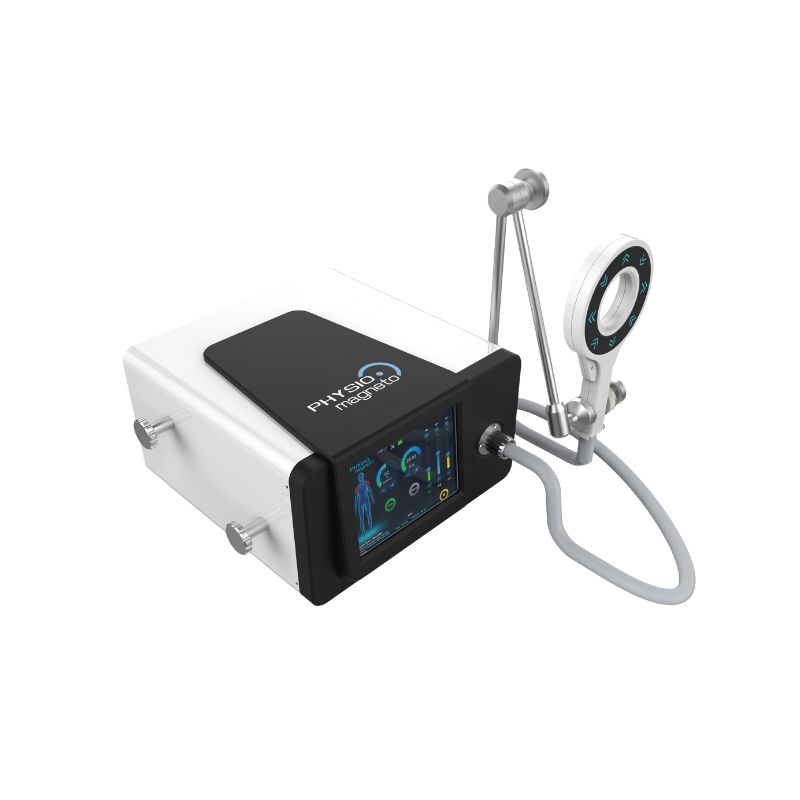
PMST and PMCT are terms used for related pulsed-field approaches, but product specifications and intended protocols can differ. This comparison focuses on distinctions that matter during procurement: treatment parameters, patient positioning, staff training, room use, and integration with other physiotherapy equipment. It also clarifies why shockwave therapy should be evaluated as a separate modality rather than treated as an interchangeable alternative.
A pemf therapy device describes equipment that uses pulsed electromagnetic fields, while PMST commonly refers to a specific pulsed magneto therapy approach. The practical difference is not simply the name on the casing. Buyers need to review frequency, intensity, pulse pattern, applicator design, and available modes, then confirm how each setting relates to the manufacturer’s stated intended use. PMST specifications should be checked rather than inferred from a category label.
Ask whether PMST treatment is delivered through a coil, applicator, or another configuration, and how the patient is positioned during a session. These details affect room layout, clinician access, and turnover between appointments. A pemf therapy device may offer different settings or applicators, so compare the complete operating range with the conditions the clinic plans to address. Avoid assuming that a higher stated output automatically means a better clinical fit.
PMCT is another term buyers may encounter in pulsed-field product descriptions. Clarify whether a PMCT system uses the same treatment principles and operating parameters as the PMST equipment under review, or whether its protocol and applicator differ. Physiotherapy equipment procurement should rely on technical documentation and intended-use statements, not on similar abbreviations. Request a clear explanation of every mode before comparing proposals.
In practical terms, PMST and PMCT labels help identify an approach, but they do not replace a review of contraindications, session guidance, and staff competency requirements. Compare the clinical workflow with the clinic’s existing services and referral patterns. Shockwave therapy, by contrast, uses acoustic pressure waves, so its mechanism and patient experience differ from pulsed-field treatment. Treating these modalities as distinct helps buyers avoid mismatched expectations.
Begin selection by identifying the patient groups and treatment pathways the service will support. PMST may be considered when a clinic is evaluating pulsed magneto therapy, while a pemf therapy device can describe a broader equipment category. Confirm that the proposed protocol aligns with the clinical team’s scope and local requirements. Physiotherapy equipment should support a defined service need rather than be purchased solely because a modality is familiar.
Review the intended session length, patient positioning, and space needed for treatment. PMCT documentation should make clear how operators select settings and monitor a session. These workflow details influence appointment scheduling and staff workload, even when the equipment appears compact. Shockwave therapy has its own applicator handling and treatment sequence, so it should be assessed independently when clinics are planning capacity across multiple modalities.
A purchase decision should account for how PMST fits alongside current assessment and rehabilitation services. Consider whether the team can explain its role in a care pathway, document use consistently, and coordinate it with other interventions. A pemf therapy device should not be positioned as a replacement for clinical assessment. Confirm the evidence base and intended-use information relevant to the conditions being considered.
Compare PMCT training needs with the skills already present among clinicians and support staff. A clear onboarding plan can reduce inconsistent operation and help teams apply protocols as intended. Physiotherapy equipment also needs suitable storage, cleaning procedures, and access to technical support. If shockwave therapy is already offered, map the distinct purpose of each modality so staff can communicate options accurately without implying that their mechanisms or outcomes are equivalent.
Request complete technical specifications for any PMST system, including output ranges, pulse characteristics, modes, applicators, electrical requirements, and operating instructions. Compare like with like, since different descriptions may use different units or testing conditions. The label pemf therapy device is not a substitute for verified specifications. Ask for applicable safety information, contraindications, maintenance guidance, warranty terms, and the process for reporting faults.
For PMCT, confirm what is included in delivery and whether installation, staff instruction, and ongoing technical assistance are available. Check that training covers safe operation, patient screening, and documentation, not only button use. Physiotherapy equipment procurement should include the full cost of ownership, including consumables if applicable, servicing, and staff time. These checks provide a more useful comparison than purchase price alone.
Before approving PMST, ask the clinical lead to define intended indications, success measures, and review points. Evaluate evidence for the specific device and protocol rather than relying on general claims about pulsed fields. A pemf therapy device may have features that suit one service but not another, so connect each requested feature to an operational or clinical need. Document the rationale for selection and the limits of intended use.
Apply the same scrutiny to PMCT claims and compare documentation using consistent criteria. Consider usability, staff confidence, patient access, and support arrangements alongside technical performance. Physiotherapy equipment earns a place in a service when its role is clear and it can be maintained reliably. Keep shockwave therapy within the comparison only as a separate modality with different delivery characteristics, treatment considerations, and workflow requirements.
Not necessarily. PMST refers to a pulsed magneto therapy approach, while pemf therapy device is a broader equipment description. Compare specifications, intended use, protocols, and safety documentation before deciding whether a particular system meets the clinic’s needs.
Review the exact operating parameters, applicators, modes, training, and intended-use information for each system. Similar terminology does not guarantee identical protocols, so evaluate each option against the planned service and available clinical evidence.
They use different forms of energy and should not be treated as interchangeable. Assess shockwave therapy separately from pulsed-field options, and choose physiotherapy equipment according to clinical purpose, staff capability, patient pathway, and documented requirements.

