

 EN

pemf-therapy-devices-vs-tens-units-comparing-working-mechanisms, pemf-therapy-devices-vs-tens-units-comparing-working-mechanisms, /blog
EN
A PEMF therapy device and a TENS unit both deliver physical stimulation, but they do so through different mechanisms. One uses pulsed magnetic fields, while the other sends electrical current through skin electrodes. Understanding that distinction helps clinical teams and equipment buyers compare intended use, setup, and treatment workflow rather than treating the devices as interchangeable.
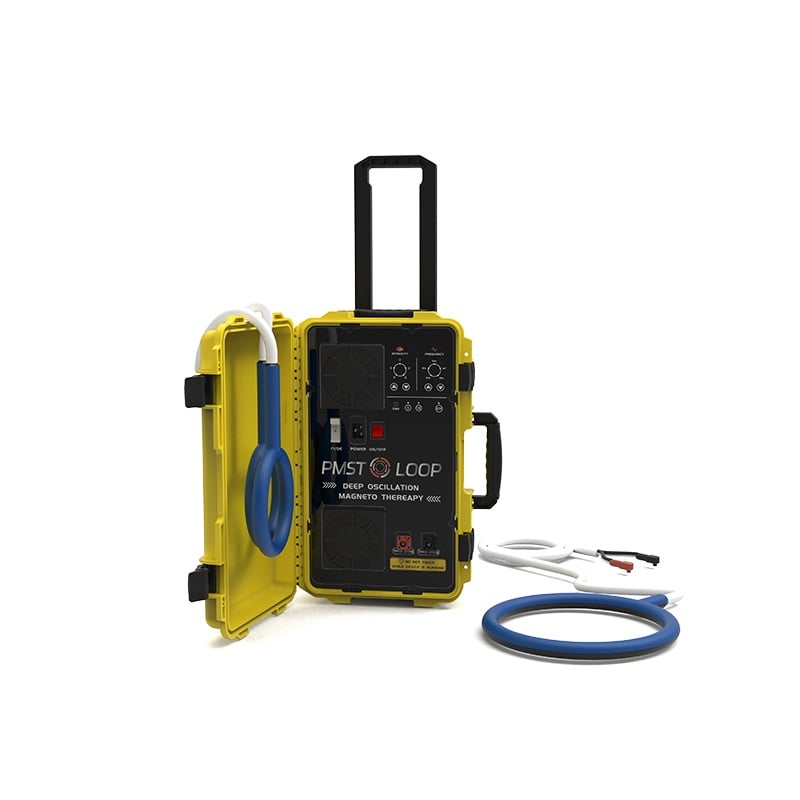
The key difference is where each modality applies energy and which tissue response it is designed to produce. A pemf therapy device generates changing magnetic fields without requiring conductive pads on the skin; TENS uses adhesive electrodes to pass current across a selected area. This comparison explains the working mechanisms, practical implications, and questions to consider when evaluating a recovery therapy device or related equipment.
A PEMF system sends pulsed electromagnetic energy from a coil or applicator toward the treatment area. The changing field can interact with conductive tissues and induce small electrical effects within them, without relying on electrodes touching the skin. Pulsed electromagnetic field therapy therefore describes a field-based approach, not a direct current delivered through surface pads. The design of a pemf therapy device determines how the field is generated and positioned.
The operator places the applicator near or around the target region and selects settings provided by the equipment instructions. Field strength, pulse pattern, frequency, and session parameters vary by system, so they should not be assumed to be equivalent across models. In a clinic, pemf therapy equipment also needs a clear placement and cleaning process. These operating details influence consistency, while the modality itself remains distinct from electrode-based stimulation.
TENS sends low-voltage electrical pulses through electrodes attached to the skin. The current stimulates sensory nerves in the chosen area and may be adjusted to produce a comfortable tingling sensation; some settings can also create visible muscle responses. Unlike pulsed electromagnetic field therapy, the pathway includes contact between the electrode pads and skin. Pad placement, skin condition, and lead connection are therefore part of routine setup for a recovery therapy device.
These differences explain why similar-looking control panels do not make the modalities functionally alike. A pemf therapy device produces a magnetic field through an applicator, whereas TENS relies on an electrical circuit that includes the body between electrodes. Neither description alone establishes a treatment outcome. Device selection and protocols should reflect the intended application, user training, safety guidance, and professional judgment rather than assumptions based on the word stimulation.
PEMF workflow centers on positioning the coil or applicator and confirming the chosen program. Because there are no adhesive electrodes in the usual field-based setup, staff do not need to prepare electrode sites, though they still need to follow cleaning and inspection instructions. When evaluating pemf therapy equipment, check how easily an applicator can be aligned with the intended area and whether the controls make session settings clear to trained operators.
TENS requires the operator to place electrode pads correctly, connect leads, and check skin contact before adjusting intensity. Pads may need repositioning or replacement as part of use, and electrode location changes the stimulation experience. A recovery therapy device based on TENS can be convenient for targeted surface stimulation, but its practical fit depends on the treatment area and whether pad placement is feasible. These workflow distinctions matter in busy care settings.
For either approach, staff should record the selected settings and follow the device instructions instead of improvising parameters. Pulsed electromagnetic field therapy involves reviewing field-based operating guidance, while TENS setup emphasizes electrode placement and current adjustment. Teams comparing a pemf therapy device with a TENS system should assess training needs, session turnover, patient positioning, and cleaning steps together. These factors help reveal operational fit without making unsupported claims about comparative effectiveness.
Start by defining the intended use and the type of stimulation required. If the workflow calls for magnetic-field exposure without conductive pads, pulsed electromagnetic field therapy may be the relevant category to investigate. If the goal is surface electrical stimulation through electrodes, TENS is the more direct description. A pemf therapy device should be assessed against its documented indications and operating limits, not simply its appearance or a broad recovery label.
The treatment area also affects suitability. Coils and applicators vary in shape and positioning method, while TENS electrode layouts depend on accessible skin and the desired current path. A recovery therapy device must fit the facility’s patient population, room layout, and staff workflow. Before purchasing pemf therapy equipment, review how the applicator accommodates the planned body region and whether operating instructions support the intended clinical process.
Safety review is essential for both modalities. Users should check contraindications, device labeling, and relevant clinical guidance, including precautions related to implanted electronic devices or other individual factors where specified. Pulsed electromagnetic field therapy is not automatically suitable for every person because it is non-contact, and TENS is not automatically suitable because it is familiar. A pemf therapy device should be integrated into a documented process with screening and trained oversight.
Buyers should compare the technical information that relates to the actual workflow: applicator design, available programs, control clarity, session setup, cleaning requirements, and service documentation. For a pemf therapy device, confirm the field parameters and instructions that the manufacturer provides for the intended application. For TENS, review output controls, electrode compatibility, and lead management. These checks make pemf therapy equipment evaluation more concrete than comparing broad modality labels.
Facilities should also consider who will operate the system and how often it will be used. A recovery therapy device with straightforward positioning may suit one service pattern, while a workflow involving frequent electrode placement may fit another. Account for staff onboarding, storage, consumables, and space around the treatment area. These operational questions do not determine clinical results, but they can help establish whether equipment is practical for a specific setting.
A fair comparison begins with the mechanism: PEMF uses time-varying magnetic fields, and TENS applies electrical current through skin electrodes. Next, map those mechanisms to intended applications, user instructions, safety screening, and service capacity. Pulsed electromagnetic field therapy and TENS are different modalities, so a purchasing brief should not imply that one replaces the other without evidence and an appropriate clinical rationale.
In short, choose by use case rather than by a general promise of recovery. A pemf therapy device is relevant when the facility is assessing a field-based system and can support its specified protocol. TENS fits an electrode-based stimulation workflow when that approach matches the intended purpose. For either recovery therapy device, verify documentation, staff competence, and maintenance support before integrating it into routine operations.
Typically, a PEMF system applies magnetic fields through a coil or applicator rather than adhesive electrodes. TENS passes electrical current through skin electrodes. A pemf therapy device still requires correct positioning and use according to its instructions, even though its delivery mechanism does not depend on electrode contact.
No. Their energy delivery mechanisms and workflows differ, so selection should reflect the intended application, device labeling, and professional guidance. Pulsed electromagnetic field therapy and TENS should not be treated as equivalent merely because both provide stimulation. Compare the documented use and setup requirements for each option.
Review intended use, safety information, operating instructions, staff training, maintenance, and how the system fits the treatment space. For pemf therapy equipment, examine applicator positioning and supplied field information; for TENS, assess electrode setup and consumables. A recovery therapy device should suit a defined workflow, not an assumed outcome.

