

 EN

pemf-therapy-for-pain-relief-vs-muscle-recovery-key-differences, pemf-therapy-for-pain-relief-vs-muscle-recovery-key-differences, /blog
EN
Pain relief and muscle recovery can both be goals of treatment with a pemf therapy device, but they are not the same treatment objective. Pulsed electromagnetic field therapy uses electromagnetic energy, while the intended outcome, treatment area, timing, and progress measures depend on the person’s needs and clinical plan.
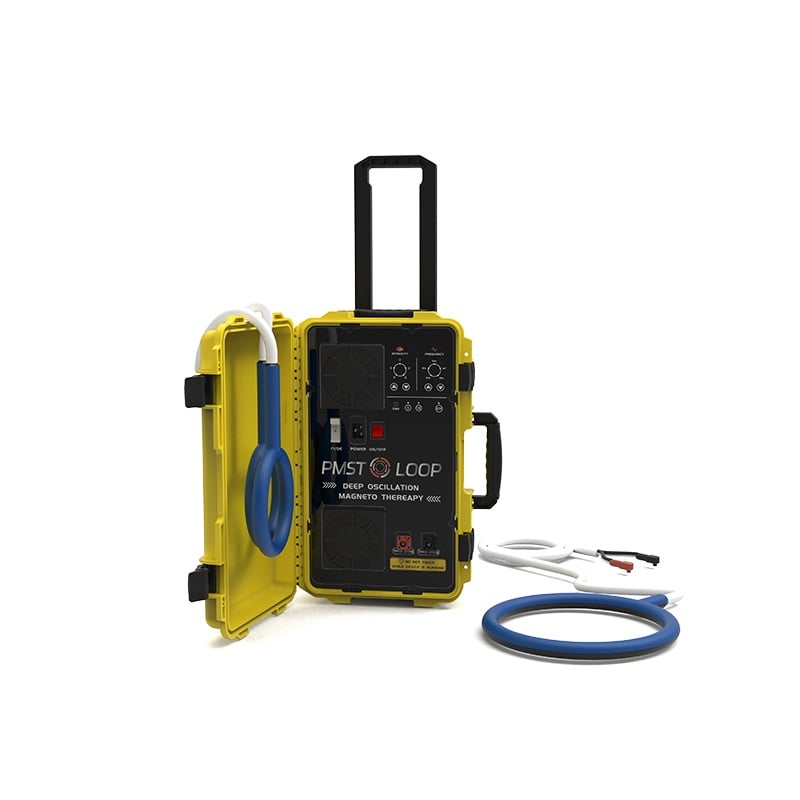
The practical difference is the question being addressed: is discomfort limiting daily activity, or is the priority supporting recovery after exertion or rehabilitation? PEMF therapy equipment may be used in either context, but a recovery therapy device should be selected and applied according to a defined recovery goal rather than treated as a substitute for diagnosis or individualized care.
When discomfort is the main concern, the plan usually focuses on where symptoms occur, how they affect movement, and what activities are difficult. A pemf therapy device may be considered as one component of a broader care approach. Pulsed electromagnetic field therapy does not identify the cause of pain, so new, severe, or persistent symptoms need appropriate professional assessment.
For a pain-focused plan, record symptom location, intensity, duration, and functional changes before and after sessions. PEMF therapy equipment should be used according to its instructions and the care plan, not simply applied wherever pain is felt. A recovery therapy device may also be relevant when discomfort follows activity, but the goal should remain clear: symptom support or recovery support.
Muscle recovery is generally about returning toward normal function after training, physical work, or a rehabilitation session. A pemf therapy device may fit into a structured recovery routine when its use is appropriate for the individual. The target is not necessarily an immediate change in pain; it may be a consistent way to support a planned recovery process.
Pulsed electromagnetic field therapy can be considered alongside rest, appropriate movement, hydration, and professionally guided rehabilitation. PEMF therapy equipment does not replace these foundations. A recovery therapy device is most useful as part of a repeatable routine, with session timing and outcomes tracked against practical measures such as mobility, comfort during activity, and return to usual tasks.
Before comparing options, clarify whether the primary issue is persistent discomfort, post-exercise fatigue, or recovery following a diagnosed condition. A pemf therapy device should not be chosen on the assumption that one setting or routine serves every purpose. Pulsed electromagnetic field therapy belongs within a plan that accounts for health history, treatment goals, and any restrictions identified by a qualified professional.
For example, a person with discomfort that interferes with work may track tolerance for standing, lifting, or walking. Someone focused on training recovery may instead track readiness for the next session and changes in usual movement. In either case, pemf therapy device selection should follow the intended use, safety guidance, and treatment plan rather than a broad promise of results.
Compare the treatment area, applicator design, session process, and instructions for the intended user. PEMF therapy equipment needs to fit the setting where it will be used, whether that is a clinic, rehabilitation space, or another supervised environment. Pulsed electromagnetic field therapy plans should also make it practical to use the equipment consistently without disrupting essential care or recovery activities.
A recovery therapy device should support a defined routine, with a reasonable way to assess whether that routine is useful. Establish a baseline, choose a small number of relevant measures, and review them at planned intervals. Avoid changing multiple parts of a program at once, because that makes it harder to understand what may have contributed to a change in comfort or readiness.
For pain relief, begin by documenting the symptom pattern and the activities it limits. Discuss appropriate care with a qualified professional, especially when symptoms are unexplained or worsening. If a pemf therapy device is included, follow its instructions and use the session parameters specified for the individual. Pulsed electromagnetic field therapy should be assessed as one part of care, not as proof that an underlying problem has been resolved.
Review function as well as sensation. Can the person complete a familiar task more comfortably, or has movement become easier over time? PEMF therapy equipment should be stopped or reviewed if use causes concern or conflicts with professional guidance. Keep the recovery therapy device plan distinct when the goal is post-exertion support, so symptom management and training readiness are not confused.
For muscle recovery, connect each session to a consistent point in the activity cycle, as directed by the care plan and equipment guidance. Track the activity performed, the recovery period, and a few practical outcomes. A recovery therapy device should not encourage a return to demanding activity before the person is ready or override pain, unusual weakness, or other warning signs.
Consistency matters more than making assumptions from a single session. Review whether PEMF therapy equipment fits the schedule and whether the routine is being followed as intended. Pulsed electromagnetic field therapy may be considered alongside standard recovery practices, while a pemf therapy device remains one tool rather than the entire plan. Adjustments should be guided by observed function and appropriate clinical advice.
Potentially, depending on the equipment instructions, the person, and the care plan. A pemf therapy device used for pain relief has a symptom-focused objective, while the same pemf therapy device in a recovery plan supports a different routine. Pulsed electromagnetic field therapy should be guided by the relevant goal, and PEMF therapy equipment must be suitable for both intended uses. A recovery therapy device does not make the two objectives interchangeable.
Choose measures that match the goal, such as comfort during a specific task for pain or readiness for usual activity after exertion. A pemf therapy device should be evaluated over a planned period, not by an assumption based on one use. Track outcomes consistently when using a recovery therapy device, and note how PEMF therapy equipment fits with other care. Pulsed electromagnetic field therapy should not delay reassessment if symptoms persist or worsen.
No. A recovery therapy device is not a replacement for appropriate rest, rehabilitation, or professional guidance. PEMF therapy equipment should complement, not displace, the recovery plan. If a pemf therapy device is considered, confirm its use is appropriate for the individual and follow instructions. Pulsed electromagnetic field therapy cannot establish a diagnosis, and persistent pain or reduced function deserves proper assessment.

