

 EN

physical-therapy-equipment-procurement-a-guide-for-clinic-owners-and-distributors, physical-therapy-equipment-procurement-a-guide-for-clinic-owners-and-distributors, /blog
EN
Buying physical therapy equipment is a clinical and operational decision, not simply a matter of choosing features. Clinic owners and distributors need to match treatment capabilities with patient needs, staff skills, room capacity, service support, and the business case. Evaluating pmst and focused shockwave therapy alongside other modalities helps clarify what a device can contribute to care and where it fits in daily practice.
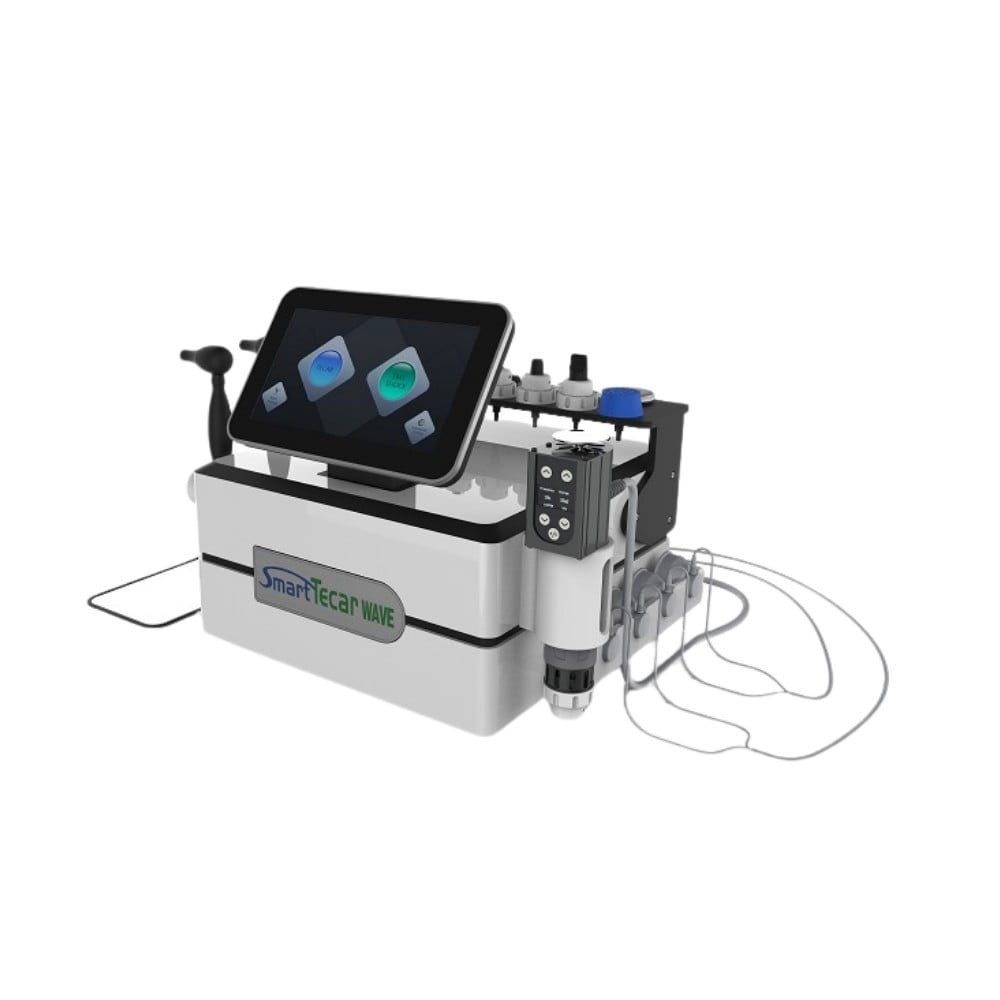
A sound procurement process starts with a written use case. Define the conditions the clinic treats, the intended patient pathway, and the staff who will operate the equipment. Then assess how pmct could fit that pathway and whether a shockwave machine would address a genuine service need. This guide explains how to move from clinical requirements to a practical purchasing decision.
Start by reviewing referral patterns, treatment plans, and gaps in current services. A modality should support a defined clinical purpose rather than sit idle as an attractive feature. Discuss how pmst could be incorporated into care, and assess whether focused shockwave therapy aligns with the cases the clinic regularly manages. Document the intended role, patient selection considerations, and who will decide when treatment is appropriate.
Compare those needs with the treatment options actually available on each proposed unit. A shockwave machine may offer settings or applicators that affect its suitability, but feature counts alone do not establish clinical value. Confirm that the device’s intended use, operating instructions, and available training support the clinic’s protocols. Include pmct in the assessment only when its function and role are clear to the team.
Map a typical appointment from patient preparation through treatment, cleaning, and documentation. Consider the device footprint, trolley or storage needs, power access, cable routing, and patient privacy. If pmst will be used during a busy schedule, verify that setup and changeover fit the room’s real workflow. Also check how the proposed shockwave machine can be positioned without obstructing staff movement or other care.
Staff capability is part of readiness. Identify who needs initial instruction, how competency will be maintained, and whether the clinic can protect time for training. Ask how pmct operation is explained in the manual and what support is available for questions. For focused shockwave therapy, clarify the training needed to use the system according to its instructions and the clinic’s clinical governance.
Build a specification review around the intended use, not a long catalogue of technical terms. Check operating modes, controls, treatment parameters, accessories, electrical requirements, cleaning guidance, and the documentation supplied with the unit. For pmst and pmct, make sure staff can distinguish the functions and explain their place in a treatment plan. Ask for clear product documentation before committing to purchase.
When focused shockwave therapy is under consideration, confirm what the device is designed to deliver and how its instructions define safe operation. Ask whether the shockwave machine includes the applicators and consumables needed for the planned use, and establish which items require replacement. A written list of included and optional components helps prevent purchasing assumptions from becoming workflow problems after delivery.
Review service arrangements with the same care as clinical specifications. Establish warranty coverage, response channels, maintenance requirements, repair process, and the availability of parts. If pmst is central to a service line, downtime planning matters; identify what the clinic can do if the unit is unavailable. Confirm how pmct-related support is accessed and whether service instructions are easy for the responsible team to follow.
Compare the complete cost of ownership rather than the initial price alone. Include delivery, installation, training, accessories, maintenance, consumables, and any expected room changes. Estimate how the shockwave machine would be scheduled and what utilization is realistic, without assuming every open appointment will be filled. Apply the same disciplined forecast to pmst and focused shockwave therapy so that projected use reflects actual demand.
For distributors, the evaluation also includes the support burden across the expected customer base. Clarify documentation, onboarding materials, warranty processes, and how technical questions will be handled. A consistent explanation of pmct and pmst helps customers understand what they are buying without overstating clinical outcomes. Include the service resources needed for each shockwave machine in the commercial model.
Ask decision-makers to record assumptions, not just totals. Expected appointment volume, staff availability, and maintenance intervals can change the financial picture. A clinic assessing focused shockwave therapy should test a conservative utilization scenario as well as its expected case. This makes the purchase rationale more transparent and gives the team a reference point for reviewing pmst or pmct use after implementation.
Score each option against the same requirements: clinical fit, ease of integration, training, service, documentation, and total ownership cost. Weight the criteria according to the clinic’s priorities and record why an item meets or misses each requirement. For a shockwave machine, this process can reveal whether the available functions match the intended service. Apply equal scrutiny to pmst and pmct rather than relying on a preferred feature.
Where possible, request a demonstration using realistic room conditions and staff roles. Have the intended operators test setup, controls, positioning, and cleaning steps while referring to the supplied instructions. A demonstration of focused shockwave therapy should answer practical questions about handling and workflow, not serve only as a presentation. Record any unresolved questions about pmst, pmct, or the equipment before approving an order.
Before delivery, assign an implementation lead and confirm the room, electrical access, delivery route, and training schedule. Set expectations for who may use the device and how treatment decisions are documented. If pmst or pmct is part of the planned service, align training with written protocols. Confirm the shockwave machine arrives with the agreed accessories, documentation, and service contacts.
After launch, review whether actual use matches the original case for purchase. Track practical measures such as appointment utilization, staff confidence, setup time, service interruptions, and patient pathway fit. Review focused shockwave therapy use against the clinic’s selection criteria, rather than treating volume as proof of value. The same review can show whether pmst and pmct contribute as intended or need changes to workflow and training.
For distributors, customer feedback can identify recurring onboarding or maintenance questions and improve future support. Keep product information accurate and ensure that explanations reflect the device documentation. Whether a customer chooses a shockwave machine or another modality, implementation success depends on realistic expectations, prepared staff, and a clear route for help. A scheduled review turns procurement into an ongoing management process.
Compare their documented functions, intended use, training requirements, and fit with the clinic’s patient pathways. Ask staff to explain how each would be used in practice, then verify those assumptions against the operating instructions and clinical protocols. The decision should rest on a defined need, not on the abbreviation or a feature label alone.
Confirm the device’s intended use, operating guidance, available training, included accessories, maintenance expectations, and service arrangements. Also determine whether the clinic has suitable patient pathways and staff readiness. These checks help establish whether focused shockwave therapy is practical for the setting and clarify the responsibilities that come with operating the equipment.
It is ready when the clinic has checked delivery against the order, prepared the room, reviewed the documentation, trained authorized staff, and established operating and maintenance procedures. The team should also know how to request support. Before treating patients, confirm that the device is being used within its instructions and the clinic’s approved protocols.

