

 EN

physiotherapy-equipment-buying-guide-for-medical-equipment-distributors, physiotherapy-equipment-buying-guide-for-medical-equipment-distributors, /blog
EN
For medical equipment distributors, buying physiotherapy equipment means matching a product range to clinical needs, buyer budgets, service capacity, and local purchasing requirements. The decision is not simply which device has the most features. A clear evaluation process helps you build a portfolio that clinicians can understand and use, whether customers are considering PMST, PMCT, or another treatment category.
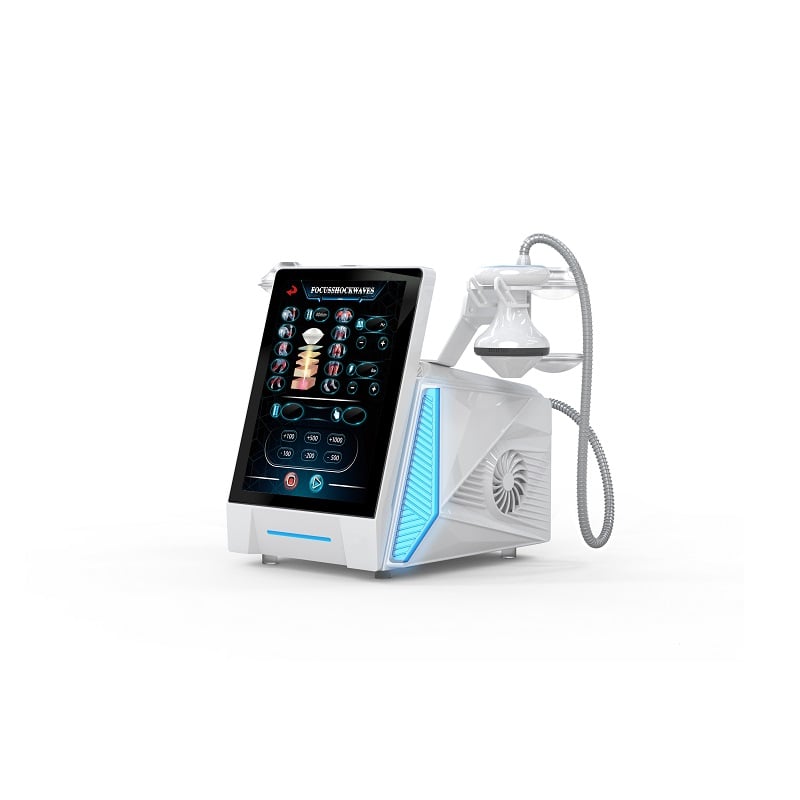
This guide focuses on the practical checks distributors should make before placing an order: intended clinical applications, device specifications, documentation, training, and after-sales support. It also explains how to assess focused shockwave therapy within a broader portfolio, so the equipment you select fits real customer workflows rather than a catalogue description alone.
Start by identifying the types of clinics you serve and the conditions they commonly manage. Physiotherapy practices, rehabilitation departments, and multidisciplinary clinics may have different patient profiles, room constraints, and purchasing priorities. Ask which services customers plan to deliver, what equipment they already own, and whether they are expanding or replacing a device. These answers clarify where PMST and PMCT may fit and whether shockwave therapy is relevant to the intended service mix.
Avoid assuming that interest in a treatment category means every clinic needs the same configuration. PMST and PMCT should be assessed against the clinic’s intended protocols, staff expertise, and operating model. When a customer is exploring focused shockwave therapy, establish what clinical use they have in mind and what training or workflow changes may be required. A well-defined need makes equipment discussions more specific and reduces the risk of buying features that will not be used.
Before comparing models, agree on a realistic budget range that includes more than the initial purchase price. Consider freight, installation, staff onboarding, consumables if applicable, maintenance arrangements, and the time required to support the account. PMST and PMCT product evaluations should include these ownership factors alongside technical details. For shockwave therapy devices, confirm how the unit will be installed, who will operate it, and whether the clinic can accommodate the intended treatment workflow.
Distributors should also assess whether a product complements the existing portfolio. A device may be a suitable addition if it serves a distinct customer need, but overlapping functions can complicate training and inventory planning. Document the reason for adding PMST, PMCT, or focused shockwave therapy, then test that rationale against actual customer feedback. This creates a more dependable basis for stocking decisions than relying on broad market interest alone.
Technical specifications matter when they answer a clinical or operational question. Review the device’s stated treatment parameters, available settings, interface, accessories, and operating requirements. For PMST and PMCT, verify that product information clearly describes intended use and configuration. When assessing focused shockwave therapy, check how the device defines its treatment approach and what the supplied documentation says about application. Do not infer clinical outcomes from a specification that does not support that conclusion.
Compare specifications against the customer’s space and workflow. Consider the footprint, mobility, power requirements, setup steps, and how staff will position the patient and equipment. A shockwave therapy system that appears suitable on paper may be impractical if the treatment room is crowded or the setup interrupts other appointments. Ask for clear product materials and, where possible, a demonstration that allows clinicians to judge handling, controls, and the fit with their routine.
A distributor should be able to provide consistent, approved information about intended use, safety precautions, operation, and maintenance. Confirm that manuals, labeling, and training resources are available in formats appropriate for the markets you serve. PMST and PMCT discussions should distinguish documented product information from assumptions or informal claims. For focused shockwave therapy, clarify the training pathway and make sure the clinic understands its responsibilities for staff competency and safe operation.
Usability is not just a matter of interface design; it affects onboarding and ongoing support. Ask how new users learn the controls, where routine checks are explained, and how troubleshooting is handled. If shockwave therapy requires careful setup or specific operator preparation, reflect that in the sales process and training plan. Clear expectations help clinics adopt equipment responsibly and help distributors avoid preventable support issues after delivery.
Before committing to inventory, confirm lead times, packaging requirements, shipping responsibilities, and the process for receiving and inspecting each unit. Establish how warranty questions, repairs, replacement parts, and technical support will be managed. These details matter for PMST and PMCT as much as for any other device category. For focused shockwave therapy, ask which service tasks can be handled locally and which require specialist assistance, then communicate realistic timelines to customers.
A reliable purchasing plan should include the full service lifecycle, not only the first shipment. Identify who will coordinate installation, record serial and warranty details, and respond when a clinic needs help. Build a repeatable process for PMST, PMCT, and shockwave therapy so internal teams give consistent answers. If support arrangements are unclear, resolve those gaps before promoting a product as ready for routine clinical use.
Bring the findings together in a written evaluation: target customer, intended applications, key specifications, documentation status, training needs, landed cost, and support plan. Rate each item against criteria agreed in advance rather than changing priorities to favor a particular device. This approach makes comparisons more transparent and helps explain why one configuration suits a clinic better than another. Include customer feedback from demonstrations, especially about practical fit and ease of operation.
Before purchase, verify that product claims and sales materials remain aligned with approved documentation. Make sure staff know how to discuss PMST, PMCT, focused shockwave therapy, and shockwave therapy without promising outcomes beyond the available evidence. Start with an order quantity that matches verified demand and the capacity to support customers. Review early feedback after delivery, then use it to refine training, stocking, and future product evaluations.
Start with the intended customer and clinical application, then verify specifications, documentation, training, total ownership costs, and service arrangements. For PMST or PMCT, make sure the category matches a defined clinic need rather than assumed demand.
Review intended use, device information, operating workflow, staff training, and support requirements. Confirm that focused shockwave therapy fits the clinic’s space and services, and avoid making claims that go beyond the product documentation.
Use customer interviews and demonstrations to gauge demand before committing to substantial inventory. Consider lead times and local support capacity, then choose an initial purchasing approach that can be adjusted as real customer feedback develops.

