

 EN

physiotherapy-equipment-specifications-what-buyers-should-check-before-ordering, physiotherapy-equipment-specifications-what-buyers-should-check-before-ordering, /blog
EN
Ordering physiotherapy equipment requires more than matching a treatment category to a clinic need. Buyers should verify intended use, operating parameters, safety controls, included accessories and service requirements before committing. Clear specifications make quotes easier to compare and help prevent mismatches between a device’s capabilities and the procedures clinicians actually deliver. The same disciplined review applies when a system combines tecar functions with other modalities.
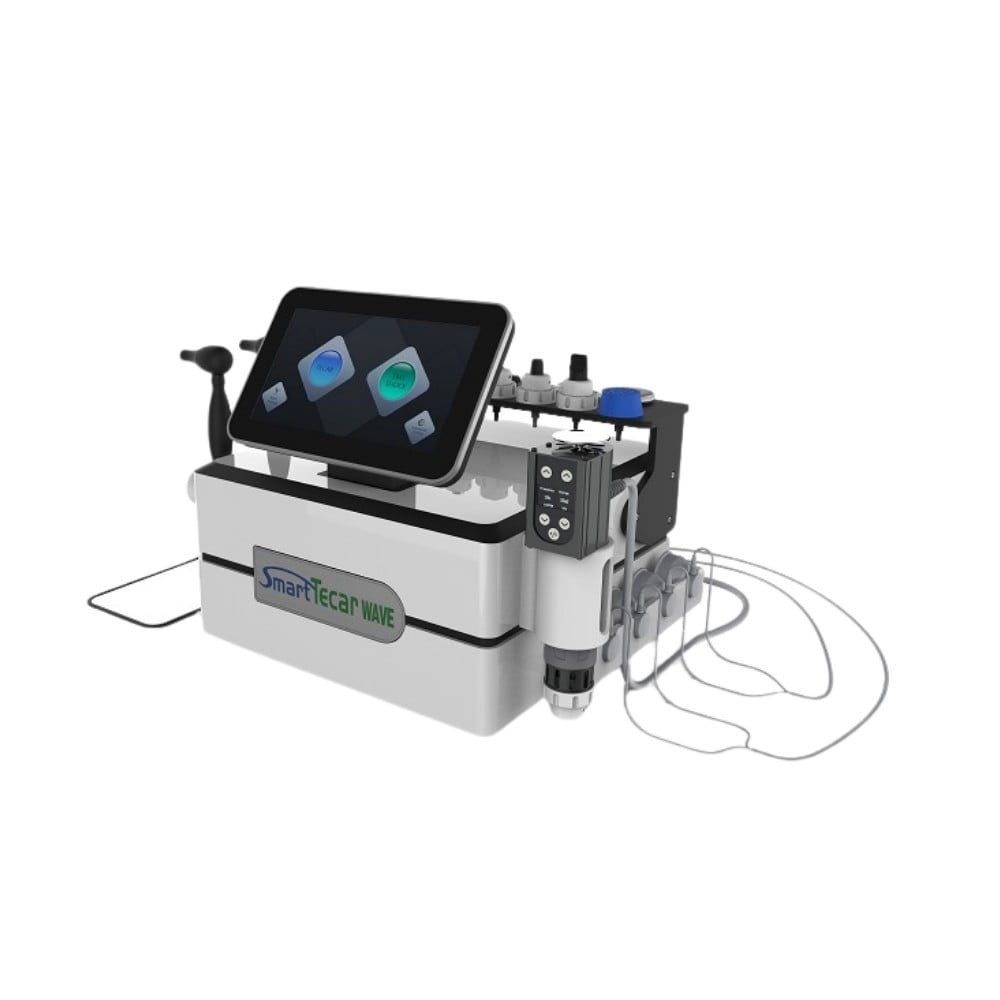
The specifications also need to support a realistic ownership plan, from staff training and room layout to maintenance and documentation. Whether assessing physical therapy equipment for a single treatment room or a multi-function platform that includes a pemf therapy device or shockwave machine, buyers should ask for verifiable details rather than relying on broad feature labels. A structured review helps procurement, clinical and facilities teams agree on what is being ordered.
Begin by describing the intended procedures, patient groups and treatment setting. Ask the supplier to map each stated function of the physical therapy equipment to its operating mode, applicator and documented intended use. For tecar, clarify which treatment modes are available and how the device distinguishes them. A shockwave machine should have its own clearly specified function rather than being treated as interchangeable with another modality.
This distinction matters on combination systems. Request a written explanation of how a pemf therapy device function differs from thermal or mechanical treatment modes, and whether each function operates independently. For tecar, confirm that the proposed handpieces and settings suit the clinic’s planned workflow. Check that the shockwave machine configuration corresponds to the intended application, rather than assuming the product name confirms clinical suitability.
Ask for a complete configuration sheet that identifies the console, applicators, cables, consumables and any software included in the offer. This is particularly useful when comparing physical therapy equipment with different packages or optional modules. For tecar, record the electrode types and sizes supplied. For a pemf therapy device, confirm what coils or applicators are included and whether additional items are required for routine use.
A shockwave machine specification should identify the handpiece and available transmitters or treatment heads, where applicable. Request quantities and model identifiers for accessories, plus the price and lead time for replacements. Check that the quoted configuration includes required connections and compatible consumables. These details reduce the risk of receiving a unit that technically matches the order but cannot support the clinic’s planned treatments without extra purchases.
Look beyond a headline power value. Request the operating range, adjustment increments, output units and method used to display or control energy. Physical therapy equipment should provide enough detail for clinicians to understand how settings are selected and repeated. For tecar, ask how the system presents its output and what guidance accompanies mode selection. Confirm that specifications explain the practical meaning of each parameter.
For a pemf therapy device, request the stated frequency range, intensity range, waveform information and session controls, as applicable to the model. A shockwave machine specification should explain its energy or pressure settings, pulse frequency and treatment controls using clearly defined units. Compare only like-for-like parameters, and ask for clarification when terminology is unclear. Tecar settings should also be described in a way that lets staff distinguish selectable modes.
Confirm supply voltage, frequency, plug type, rated power and any room requirements before purchase. Ask for the applicable safety and conformity documentation for the destination market, along with instructions for installation and routine inspection. Physical therapy equipment should include clear controls, emergency stop arrangements where relevant, and guidance for cleaning contact surfaces. Review the labeling and manuals before accepting technical claims as sufficient evidence.
For day-to-day use, evaluate screen readability, menu logic, treatment timers and access to settings. Verify that a pemf therapy device presents its controls in a manner staff can learn consistently, and check how the shockwave machine indicates readiness or faults. Ask whether tecar accessories require particular cleaning or inspection procedures. These practical details affect setup time and staff confidence, even when headline specifications appear suitable.
Before ordering, establish who will install the unit, what training is included and which staff roles should attend. Ask for the training format, duration and materials, and make sure it covers each function that the clinic intends to use. For physical therapy equipment with several modalities, confirm that instruction addresses mode selection and accessory handling rather than only basic startup. Record support channels and expected response arrangements in writing.
Request the recommended maintenance schedule, inspection points and warranty terms, including exclusions and responsibility for shipping or labor. For tecar, clarify how electrodes and cables are checked or replaced. Ask what routine care a pemf therapy device requires and how service needs are documented. A shockwave machine may have modality-specific components, so confirm the inspection process, expected replacement parts and availability before approving the purchase.
Create a purchase specification that repeats the agreed model configuration, included accessories, documentation, delivery conditions and training commitments. Identify who will inspect the shipment and how missing or damaged items will be reported. When physical therapy equipment arrives, acceptance should include a basic startup check, review of manuals and confirmation that supplied identifiers match the order. Keep records with procurement and equipment files.
Use a practical demonstration or documented verification to confirm the ordered functions operate as described. Check that tecar modes, controls and supplied electrodes correspond to the agreed configuration. Confirm that the pemf therapy device and shockwave machine, if included, have their promised accessories and instructions. Do not treat a successful power-on as proof that every requirement has been met; compare each agreed specification against the delivered system.
Request the detailed specification, configuration and accessory sheet, user manual, applicable conformity and safety documents, warranty terms, and installation or maintenance guidance. For tecar, ensure the documents describe available modes and accessories. Keep the approved version with the purchase order so the delivered physical therapy equipment can be checked against the same requirements.
Compare each modality separately, including controls, output parameters, included applicators, training and service needs. Ask for clear information about the pemf therapy device function and verify the shockwave machine parameters independently. A shared console does not mean the functions have identical specifications or operating requirements, so document each one distinctly.
Check the delivery against the order, inspect accessories and documentation, and complete the agreed operational checks with trained staff. Confirm that tecar and other modes function as specified, and record any discrepancy before routine clinical use. Include the pemf therapy device and shockwave machine in the same documented acceptance process when they form part of the order.

