

 EN

pmct-equipment-buying-guide-for-professional-physiotherapy-clinics, pmct-equipment-buying-guide-for-professional-physiotherapy-clinics, /blog
EN
Choosing pmct equipment is a clinical and operational decision, not simply a search for another treatment modality. For professional physiotherapy clinics, the right purchase should fit patient needs, practitioner skills, room capacity, and the way care is delivered. This guide explains how to assess those factors before committing to a system and how to compare pmct with options such as pmst and other physiotherapy equipment.
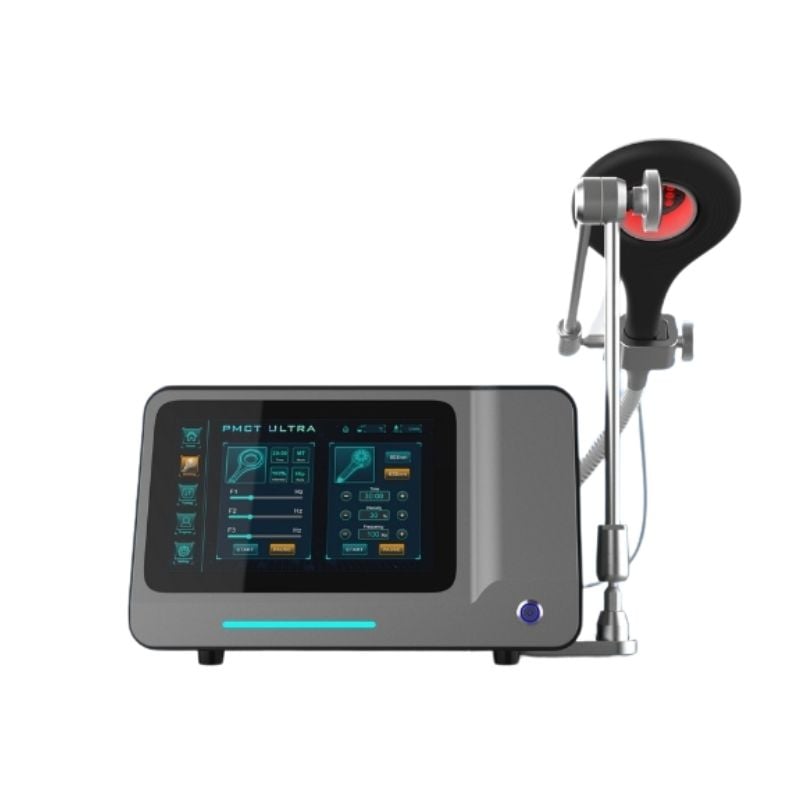
A considered purchase starts with the clinic’s treatment priorities. Define which patient presentations the equipment may support, who will operate it, and how sessions could fit into existing appointments. Then compare pmct with a pemf therapy device, pmst, or tecar based on intended use and practical workflow rather than product labels alone. The goal is to choose physiotherapy equipment that complements assessment and exercise, with realistic training and service requirements.
Begin by documenting the cases for which the clinic is considering pmct, including the treatment goals, patient groups, and points in the care pathway where it could be used. A modality should have a clear role alongside clinical assessment and an appropriate treatment plan. Compare that role with a pemf therapy device or pmst by asking what each approach is intended to contribute, what outcomes clinicians will monitor, and when another intervention is more suitable.
Avoid building a purchase case around a broad promise to serve every patient. Instead, map the potential use to the clinic’s current caseload and practitioner expertise. If clinicians already use tecar, identify whether pmct would add a distinct option or simply duplicate existing capacity. This distinction helps teams judge whether new physiotherapy equipment supports a genuine service need and gives patients a coherent explanation of why a modality is being considered.
Assess the physical and scheduling implications before comparing configurations. Consider the treatment room footprint, power and setup needs, storage, patient positioning, cleaning procedures, and access for staff. A pmst system, tecar unit, or pemf therapy device may involve different operator routines, so estimate setup and turnover time using the clinic’s actual appointment pattern rather than an idealized demonstration.
Think through how pmct would fit beside hands-on care, movement instruction, and documentation. If a session requires uninterrupted operator attention, that affects staffing differently from a workflow where the clinician can combine steps safely. Review room availability at peak times and discuss whether the new physiotherapy equipment would displace another service. A practical fit is one clinicians can use consistently without creating avoidable bottlenecks.
When reviewing a pmct proposal, ask for a clear description of its operating principle, intended applications, and treatment parameters. Request supporting documentation and examine how the stated use aligns with the clinic’s patient population. Apply the same scrutiny to a pemf therapy device, pmst, or tecar. Similar marketing language does not establish that two modalities work in the same way or have interchangeable clinical roles.
A useful comparison focuses on what practitioners can control and record during treatment. Examine available settings, applicators, interface clarity, and the instructions supplied for choosing and adjusting parameters. Ask whether the system enables repeatable protocols while still allowing professional judgment. These details matter when pmct becomes part of a team workflow, just as they do when clinicians use tecar or other physiotherapy equipment across different cases.
Before purchase, review the device documentation, contraindications, warnings, and applicable regulatory information for the markets where the clinic operates. Confirm that the proposed use is within the stated intended purpose, and establish how staff will screen patients and respond to questions. For pmst and a pemf therapy device, as for pmct, distinguish product information from independent evidence and avoid treating a mechanism claim as proof of a particular clinical result.
Ask the vendor to explain maintenance, inspection, calibration if applicable, and the process for reporting faults. Clarify what happens if an applicator, cable, or control interface needs attention, and whether service arrangements are documented. A tecar unit may have different upkeep needs, but the purchasing principle is the same: physiotherapy equipment should arrive with usable instructions and a clear plan for safe operation over time.
A pmct purchase is more useful when the whole clinical team understands its role. Identify which practitioners may operate it, what initial instruction they need, and how competence will be maintained when staff change. Ask about practical training on setup, patient communication, parameter selection, cleaning, and escalation. Include staff who handle scheduling and room preparation, since their routines affect whether the equipment is ready when a patient arrives.
Create a simple internal protocol that links eligibility screening, informed discussion, treatment documentation, and review of progress. The protocol should not replace clinical judgment; it should make expectations consistent. If the clinic also uses tecar or a pemf therapy device, explain how practitioners choose between modalities and when they should not be combined. Clear distinctions help pmst and other services sit within an organized care pathway instead of becoming isolated options.
Compare the full cost of ownership, not only the purchase price. Include delivery, training, accessories, service, consumables if relevant, staff time, and any changes to room setup. Estimate utilization using a conservative view of appointment demand and clinician availability. This helps determine whether pmct is financially and operationally appropriate alongside existing physiotherapy equipment, including tecar or pmst already in use.
Set review measures before the equipment enters routine practice. These might include utilization, staff confidence, appointment effects, patient feedback, and whether treatment plans remain aligned with the clinic’s standards. Do not interpret use alone as evidence of benefit; review clinical progress in context and adjust protocols where needed. Apply the same discipline to a pemf therapy device or any new modality. A scheduled review gives the clinic a reasoned basis for continuing, changing, or limiting its use.
Confirm the intended clinical role, documentation, safety information, training, service arrangements, and fit with appointment workflows. Compare pmct with a pemf therapy device or pmst only after defining the clinic’s patient needs and treatment goals.
Compare intended use, operating process, staff requirements, room demands, and evidence relevant to the clinic’s patients. The best fit depends on clinical priorities and workflow, not on assuming tecar and pmct are interchangeable physiotherapy equipment.
A documented protocol is a practical way to clarify screening, consent, operation, records, and review. Include how practitioners distinguish pmct from pmst and when a pemf therapy device or tecar may be considered instead.

