

 EN

pmct-vs-pemf-therapy-device-questions-buyers-should-ask-before-purchasing, pmct-vs-pemf-therapy-device-questions-buyers-should-ask-before-purchasing, /blog
EN
When comparing PMCT with a PEMF therapy device, buyers should begin with treatment goals rather than product labels. PMCT can refer to a magneto-diode laser approach, while PEMF describes pulsed electromagnetic field technology; these names do not establish that devices perform the same function. Before adding either option to physical therapy equipment plans, clarify what the device delivers, which patients it is intended to serve, and how its use fits existing clinical protocols.
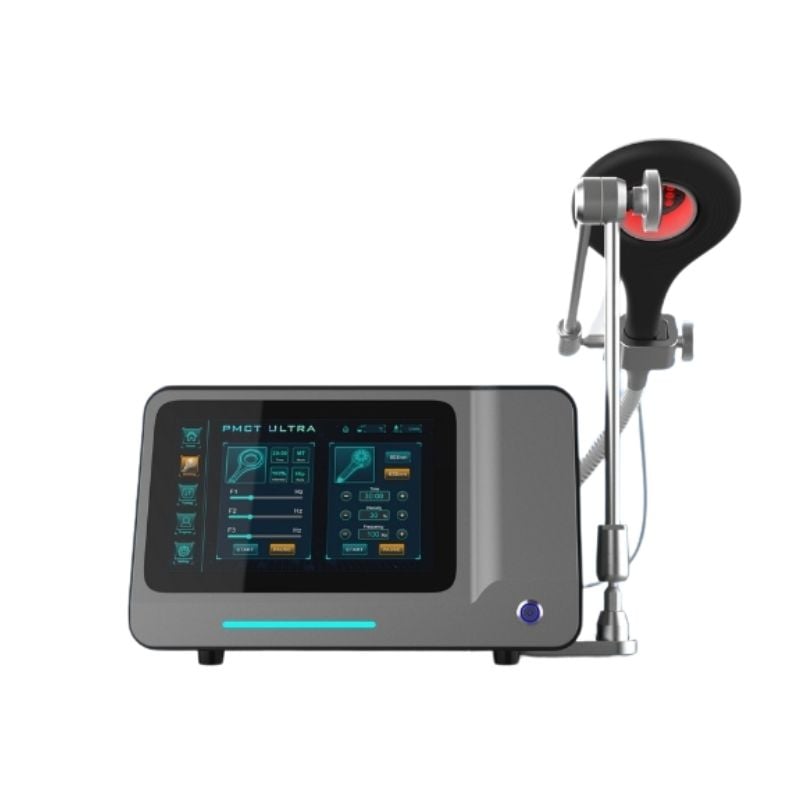
A useful comparison also separates modalities that are sometimes discussed together. PMST commonly refers to pulsed magnetic stimulation therapy, whereas a shockwave therapy machine delivers acoustic pressure waves; neither label should be treated as interchangeable with PMCT or a PEMF therapy device. Ask for a clear explanation of the mechanism, intended use, and treatment workflow. This article gives buyers a structured set of questions to use before purchase, demonstration, or budget approval.
Start by documenting the service gap the purchase is meant to address. Is the goal to add a modality for a defined patient group, extend treatment choices, or replace equipment that no longer fits the clinic’s workflow? A PEMF therapy device should be assessed against that specific need, not against a general promise of versatility. Ask the representative to describe the energy delivered and the intended treatment context in plain language. Confirm that the explanation for a PEMF therapy device matches its technical documentation and the clinic’s scope of practice.
Use the same discipline when reviewing PMST. Buyers should ask whether the term describes a particular pulse pattern, applicator, or treatment method in the offered system, then request the relevant technical details. PMST and a PEMF therapy device may be related in terminology or technology, but a shared magnetic-field reference does not prove identical output or protocol. Ask how the proposed PMST application differs from the clinic’s existing options. This keeps a PMST purchase discussion grounded in a defined use case instead of broad modality language.
A shockwave therapy machine belongs in the comparison only when the clinic is evaluating a distinct acoustic modality or considering how its services will complement one another. Ask what physical output it produces, what treatment indications are described in its documentation, and whether the proposed patient pathway overlaps with PMCT. A shockwave therapy machine is not a magnetic-field device simply because both may be used in rehabilitation settings. Making that distinction prevents an inaccurate side-by-side evaluation and helps clinicians explain treatment choices consistently.
For a broader capital plan, examine how each option fits the clinic’s physical therapy equipment portfolio. A PEMF therapy device may serve a different role from a shockwave therapy machine, while PMST terminology may describe a separate magnetic stimulation approach. Request the product’s intended-use statement, operating principle, and contraindication information before comparing features. The goal is not to find one modality that supposedly replaces every other tool; it is to decide whether the specific device fills a practical, documented need in the services already offered.
Ask what evidence supports the proposed use, and make sure it relates to the device type and treatment context under consideration. A PEMF therapy device should come with accessible instructions for use and clearly described protocols; buyers should not infer outcomes from the name alone. Ask how settings are selected, how sessions are delivered, and what factors call for clinical judgment. For a PEMF therapy device, distinguish the manufacturer’s stated intended use from independent research and from anecdotal feedback.
Apply the same questions to PMST. Request protocols that specify application areas, session parameters, and the training required to use them appropriately. If PMST is presented as equivalent to another technology, ask for the technical basis of that comparison rather than accepting a verbal shortcut. A PEMF therapy device may have different operating parameters from a PMST system, so shared vocabulary is not enough to transfer protocols. Clarifying these details lets the clinical team judge suitability without assuming that every patient or condition is an appropriate match.
Before purchase, review the contraindications, precautions, and screening steps that apply to the intended patient population. These details matter whether the clinic is considering PMCT, a PEMF therapy device, or another option. Ask who is responsible for screening, what information must be recorded, and when treatment should be paused or referred for clinical review. For PMST, confirm that the written guidance identifies relevant precautions and that staff can find the guidance during routine care, not only during initial training.
Also discuss how the device will fit alongside existing modalities. A shockwave therapy machine may be part of a clinic’s current service pathway, but its protocols should not be assumed to apply to PMCT or PMST. A shockwave therapy machine uses a different form of energy, so patient selection and operating guidance need separate review. When planning physical therapy equipment, document which clinician makes treatment decisions, how progress is reviewed, and how patients are informed about realistic expectations. This is a safer basis for adoption than purchasing around broad claims of clinical overlap.
A technically suitable device still needs to work in the clinic’s schedule and physical space. During a demonstration, ask staff to follow a typical patient journey from setup through treatment, cleaning, and documentation. A PEMF therapy device should be evaluated for operator steps, room requirements, and the time needed to prepare and complete a session. If PMST is part of the proposal, test the actual applicator handling and controls rather than relying only on a brochure or presentation.
Consider the complete physical therapy equipment environment. Check power requirements, storage, maintenance access, and whether the device can be moved or shared between rooms as intended. A shockwave therapy machine may have different setup and operating needs, so its workflow should be reviewed independently rather than used as a proxy for PMCT. Ask who will perform routine checks, what service documentation is supplied, and how downtime is managed. These operational details help the buyer forecast workload without assuming a device will fit automatically.
Request a written training plan that identifies who is trained, what competency is expected, and how new employees will be onboarded. For a PEMF therapy device, confirm that instruction covers controls, protocols, safety checks, and recordkeeping. Ask how PMST guidance is updated if operating instructions change. Training should be practical enough for the team’s roles and should leave staff able to locate technical documents after the demonstration. Include time for training in the implementation plan rather than treating it as an informal handover.
Compare total ownership costs, not just the initial quote. Ask about consumables, maintenance, warranty terms, service response, software or accessory charges, and expected replacement parts. A PEMF therapy device may have different ongoing requirements from a shockwave therapy machine, so request itemized information for the exact configuration being considered. For PMST, confirm which accessories are included and what costs may recur. A clear cost picture, matched to the clinic’s expected use and staffing, supports a defensible purchase decision and reduces avoidable surprises after installation.
Not necessarily. PMCT may describe a magneto-diode laser approach, while a PEMF therapy device uses pulsed electromagnetic fields. Ask for the device’s technical description and intended use before comparing the modalities or considering one as a substitute for the other.
Request clear definitions, operating specifications, intended-use information, and protocols for each. PMST refers to a magnetic stimulation approach, but the label alone does not establish equivalence with PMCT. Compare the documented clinical purpose and workflow relevant to your practice.
Include it when the purchase decision involves service planning or a comparison of distinct treatment options. A shockwave therapy machine delivers a different form of energy, so evaluate its patient fit, training, and operating requirements separately from PMCT and magnetic-field technologies.

