

 EN

pmst-vs-pemf-therapy-device-how-should-professional-buyers-compare-them, pmst-vs-pemf-therapy-device-how-should-professional-buyers-compare-them, /blog
EN
For professional buyers, comparing PMST with a pemf therapy device starts with a practical question: which treatment approach fits the clinic’s intended use, patient pathway, and operating model? PMST is a pulsed magnetic therapy approach; PEMF systems also use electromagnetic fields, but device design and treatment protocols vary. The label alone does not establish equivalence, so buyers should compare how each device is specified and used. That decision belongs within a wider review of physical therapy equipment, staff capability, and patient needs.
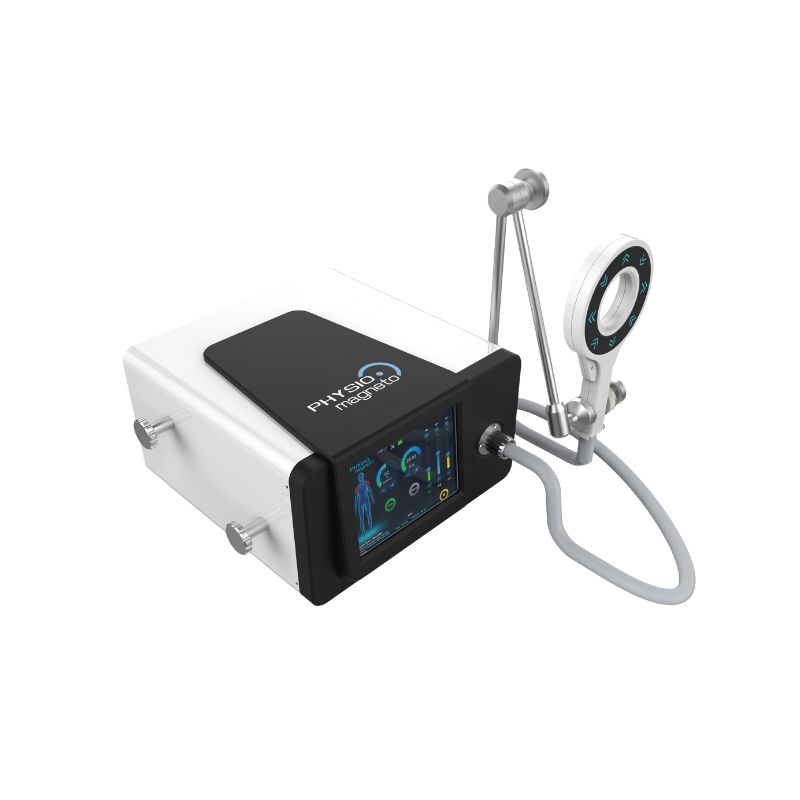
A sound comparison separates magnetic-field therapies from acoustic treatments rather than treating every modality as interchangeable. A shockwave therapy machine delivers acoustic pulses, while focused shockwave therapy describes a particular approach to directing that energy. These technologies may belong in the same rehabilitation conversation, but they address different treatment workflows. Buyers should assess PMST against their service plan, not simply compare names, prices, or marketing categories.
Begin by reviewing the technical documentation for the PMST unit and each pemf therapy device under consideration. Confirm the stated field characteristics, available modes, applicators, session controls, and intended use. A shared electromagnetic label does not guarantee identical output or treatment experience. For physical therapy equipment, the useful comparison is whether the documented configuration supports the clinic’s intended protocol and can be operated consistently by its team.
Next, examine how the treatment is delivered in practice. Does the device require a specific patient position, a defined treatment area, or adjustment between sessions? Compare these workflow details with the instructions for a pemf therapy device, and assess whether staff training and supervision requirements are manageable. Buyers should also distinguish manufacturer guidance from independent clinical evidence; neither a familiar modality name nor a configurable control panel proves a particular outcome.
This distinction matters when magnetic therapy is considered alongside acoustic modalities. A shockwave therapy machine uses a different physical mechanism and typically calls for different patient preparation, applicator handling, and treatment parameters. Focused shockwave therapy may suit a treatment plan built around a concentrated acoustic field, while magnetic therapy has its own device-specific parameters. The correct comparison is about clinical purpose and protocol, not which category sounds more advanced.
Map each technology to the patients and services the clinic actually expects to support. For example, a rehabilitation service may consider magnetic therapy as one part of a broader care pathway, while a clinic evaluating a shockwave therapy machine may have a defined acoustic-treatment service in mind. These are planning examples, not claims that one modality is appropriate for a particular diagnosis. Confirm suitability through professional judgment and the device’s approved instructions.
Also consider whether the treatment can be integrated with existing physical therapy equipment and appointment routines. If focused shockwave therapy is already part of a clinic’s planning, compare its setup and room requirements separately from those of PMST. A pemf therapy device may also need dedicated setup time and operator orientation. The buyer’s goal is a coherent service pathway, with clear referral criteria, treatment documentation, and realistic expectations for staff and patients.
Request specifications in a format that allows direct review. For a PMST system, establish which modes are available, how operators adjust settings, and what accessories are included. Apply the same scrutiny to a pemf therapy device rather than assuming every unit offers a comparable range. With physical therapy equipment, clear operating instructions, safety information, maintenance guidance, and service documentation are procurement essentials, not secondary paperwork.
When evaluating a shockwave therapy machine, review the type of acoustic output and the applicator options described in its documentation. If focused shockwave therapy is relevant, confirm what the supplier means by focused and how that configuration is specified. Keep the comparison evidence-led: ask for materials that explain intended use, contraindications, operator responsibilities, and supporting evidence. Avoid using a device’s broad category as a substitute for checking its precise configuration.
Compare treatment controls, usability, and record-keeping needs side by side. A pemf therapy device should be assessed for how clearly it presents settings and how users confirm the selected protocol. A shockwave therapy machine deserves the same attention to control clarity, maintenance, and safe handling. These details influence onboarding and repeatability, but do not independently establish clinical effectiveness. Ask who will train staff, what training covers, and how updates or technical questions will be handled.
Evidence review should be specific to the modality, device characteristics, and intended patient population. Do not transfer findings about one pemf therapy device to a different system without checking whether its parameters and use align. Similarly, evidence related to focused shockwave therapy should not be generalized to every shockwave therapy machine. Clinics should consider study quality, relevance, and limitations with qualified clinical input, then document the rationale behind the selected service.
A practical assessment starts with space, throughput, and staffing. Determine where the device will sit, who will operate it, and how preparation and cleaning fit between appointments. Compare PMST’s requirements with those of other physical therapy equipment already in the clinic. If the service also includes a shockwave therapy machine, account for separate setup and operator competencies rather than assuming a shared room or team removes those needs.
Ask staff to review the workflow from patient arrival through documentation and room turnover. This exercise can reveal whether a pemf therapy device’s controls are intuitive and whether its instructions fit local procedures. For focused shockwave therapy, consider whether the planned service needs different positioning or operator training. Such operational questions are useful even before a final device shortlist, because they show whether the clinic can support the modality responsibly.
Purchase price is only one part of the ownership picture. Review installation, training, consumables where applicable, maintenance, warranty terms, and service access for each option. Include PMST in the same lifecycle review as any pemf therapy device or other physical therapy equipment. Ask which tasks the clinic must perform, how often routine checks are recommended, and what support is available if a fault affects scheduled care.
Make costs comparable by defining the same evaluation period and operational assumptions. A shockwave therapy machine may involve different accessories or upkeep from a magnetic system, so avoid treating purchase price as a complete cost measure. Focused shockwave therapy and PMST should each be assessed against expected use, staffing, and service capacity. Use documented quotes and written terms, not assumed future utilization, to build the business case.
Procurement teams should also check regulatory status and local requirements for the intended application. Confirm that the device documentation matches the proposed clinical use and that staff understand relevant warnings and contraindications. This applies to a pemf therapy device as much as to a shockwave therapy machine. Keep the review grounded in verifiable materials and involve clinical, technical, and purchasing stakeholders before committing to physical therapy equipment.
A comparison matrix can organize decisions without turning the process into a simple feature contest. Define the clinic’s clinical rationale, expected workflow, training capacity, evidence threshold, service needs, and budget boundaries. Then evaluate PMST alongside a pemf therapy device and any acoustic option against those same criteria. If focused shockwave therapy is under consideration, make its intended role explicit rather than grouping it loosely with magnetic modalities.
Before approval, ask the clinical lead to confirm that the proposed service has a clear place in care pathways and that staff can follow the manufacturer’s instructions. Ask operations to confirm room and scheduling fit, and ask procurement to verify support and ownership terms. Compare any shockwave therapy machine using the same process. A disciplined review makes the decision explainable and helps prevent a device category from being selected without an operational or clinical purpose.
They are related magnetic-field approaches, but buyers should not assume the terms describe identical technology or protocols. Compare the specifications, intended use, and operating instructions for the PMST system and the pemf therapy device in question. Ask a qualified clinical lead to assess whether the documentation supports the planned use.
They can be compared as investment options, but not as interchangeable modalities. A shockwave therapy machine uses acoustic pulses, whereas PMST uses pulsed magnetic fields. If focused shockwave therapy is being considered, evaluate its specific configuration and workflow separately from magnetic therapy, including training and service requirements.
Verify intended use, technical specifications, safety documentation, training, maintenance, and local regulatory requirements. Check how the device fits the clinic’s treatment pathway and existing physical therapy equipment. A decision should reflect clinical rationale and realistic operating capacity, not a broad modality label alone.

