

 EN

pneumatic-vs-electromagnetic-shockwave-therapy-machines-compared, pneumatic-vs-electromagnetic-shockwave-therapy-machines-compared, /blog
EN
Choosing between pneumatic and electromagnetic systems means comparing how each generates and delivers acoustic energy, not simply comparing device labels. A shockwave therapy machine may support extracorporeal shockwave therapy through different mechanisms, while a radial shockwave device typically describes a particular way of delivering pressure waves. Understanding those distinctions helps clinics match equipment to treatment protocols, patient needs, and daily workflow.
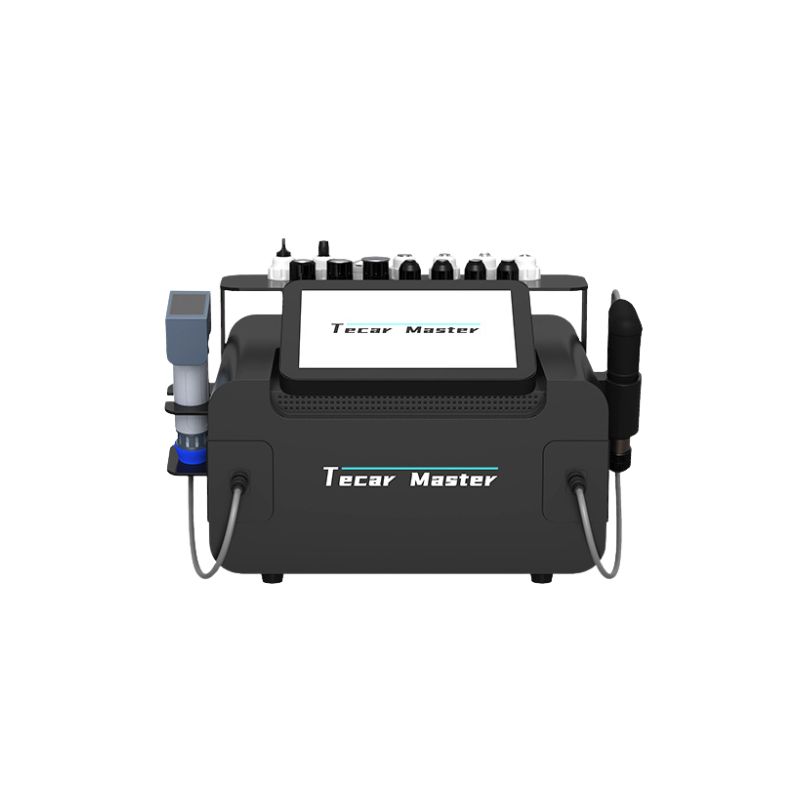
In broad terms, pneumatic systems use compressed air to accelerate a projectile inside a handpiece, while electromagnetic systems generate a pressure wave using an electrically driven mechanism. Both approaches can be considered for musculoskeletal therapy, but they may differ in sensation, control, maintenance, and protocol fit. The right shockwave therapy machine is the one whose operating characteristics align with the clinic’s intended applications and staff expertise.
A pneumatic system directs compressed air into a handpiece, where a projectile accelerates and strikes an applicator. The resulting mechanical pulse travels through the applicator into tissue. In many clinical conversations, this arrangement is associated with a radial shockwave device, although specific output depends on the equipment design and applicator. For extracorporeal shockwave therapy, the operator still needs to follow the device instructions and select settings suited to the treatment plan.
The handpiece is moved over the treatment area, so contact, coupling, and movement all matter. Practitioners typically consider pressure, frequency, treatment duration, and patient response rather than treating a setting as universally appropriate. A shockwave therapy machine using pneumatic delivery may be practical where a clinic values a familiar, direct handpiece workflow. The sound and tactile feedback of operation can also influence staff preference and the patient’s expectations during musculoskeletal therapy.
An electromagnetic system uses an electrically driven coil and related components to create a pressure pulse. Depending on the design, the pulse is transferred through a treatment head and coupling medium. This differs from the projectile action in a pneumatic handpiece, even though both systems are intended to deliver focused treatment energy externally. When assessing extracorporeal shockwave therapy equipment, clinics should distinguish the energy-generation method from the treatment indication and verify the specifications that matter to their protocols.
Electromagnetic delivery may appeal to a practice seeking a different operating feel or a particular combination of control features. However, the name alone does not establish treatment effectiveness, comfort, or suitability for every application. Compare the available applicators, adjustment options, service requirements, and instructions for use. A radial shockwave device and an electromagnetic system should not be treated as interchangeable labels, since the first describes a delivery pattern and the second describes an energy-generation approach.
Patient comfort depends on the treatment site, clinical settings, technique, and individual sensitivity; it cannot be predicted from the mechanism alone. A practitioner introducing a shockwave therapy machine should explain what the patient may feel, begin in accordance with the device guidance, and adjust only within approved parameters. For musculoskeletal therapy, consistent positioning and communication can help clinicians assess tolerance and maintain a measured treatment workflow.
Compare how quickly staff can prepare the system, select a protocol, change applicators, and clean contact surfaces between appointments. These everyday tasks may affect throughput more than a headline specification. During extracorporeal shockwave therapy, the operator’s technique remains central: treatment location, applicator contact, and movement need to be deliberate. A radial shockwave device may suit protocols emphasizing broad treatment over an area, while other designs may be selected for different delivery characteristics.
Pneumatic equipment depends on its air-delivery components, so buyers should review required infrastructure, routine checks, consumables, and service procedures. Electromagnetic designs have their own electrical and component requirements, which should be confirmed against the clinic’s facilities and maintenance capacity. Before installing a shockwave therapy machine, assess the complete operating setup rather than assuming either category is automatically simpler or less costly to maintain.
Training should cover indications, contraindications, patient screening, applicator handling, coupling, and record keeping. A radial shockwave device is only as useful as the team’s ability to apply it appropriately and consistently. Clinics considering extracorporeal shockwave therapy should review the manufacturer’s instructions, local professional guidance, and relevant clinical evidence. These steps support safer decisions and help practitioners explain why a particular protocol is being used for musculoskeletal therapy.
Start with the conditions and treatment areas the clinic intends to address, then compare those needs with the system’s documented output, applicators, and approved uses. A shockwave therapy machine should fit the planned clinical scope, not drive it. Ask whether the practice needs a radial delivery approach, another energy profile, or a combination of functions, and determine how the available configuration supports the intended musculoskeletal therapy workflow.
Review the evidence and protocol requirements for each intended application instead of assuming pneumatic or electromagnetic means superior results. Extracorporeal shockwave therapy is a broad treatment category, and outcomes may depend on patient selection, technique, dose parameters, and condition. A radial shockwave device should therefore be evaluated on its actual specifications and clinical fit, rather than on a category name alone.
Consider purchase cost alongside installation, staff training, service access, consumables, cleaning, and the time required to integrate the equipment into appointments. A shockwave therapy machine that fits the clinic’s case mix and workflow may be a more sensible investment than a system selected for features the team rarely uses. Confirm warranty terms, maintenance schedules, and access to technical support before making a decision.
If a clinic is comparing combined configurations, clarify which mechanism is used for each mode and how staff switch between them. A radial shockwave device may be part of a broader system, but the presence of multiple modes does not remove the need for training and protocol discipline. For musculoskeletal therapy, document selection criteria, establish staff competency, and periodically review patient response so equipment use remains purposeful.
No. Pneumatic systems use compressed air and a projectile in the handpiece, while electromagnetic systems generate pulses through an electrically driven mechanism. Both may be used in extracorporeal shockwave therapy, but their construction and operating characteristics differ. Compare the actual specifications and intended uses before choosing a shockwave therapy machine.
Not necessarily. Radial describes a wave delivery pattern, whereas pneumatic and electromagnetic describe energy-generation mechanisms. Review the device documentation to understand how its output is produced and delivered. This distinction helps clinics evaluate equipment for musculoskeletal therapy without relying on terminology alone.
Assess intended applications, staff training, patient screening, protocol guidance, maintenance, and facility requirements. Confirm the device’s documented indications and establish how outcomes and patient tolerance will be reviewed. Those steps matter whether the clinic selects pneumatic equipment, electromagnetic equipment, or another shockwave therapy machine for extracorporeal shockwave therapy.

