

 EN

shockwave-machine-buying-guide-comparing-equipment-for-physiotherapy-clinics, shockwave-machine-buying-guide-comparing-equipment-for-physiotherapy-clinics, /blog
EN
Choosing a shockwave machine for a physiotherapy clinic is a clinical and operational decision, not simply a choice between similar-looking consoles. The right fit depends on patient needs, treatment approach, staff skills, room workflow, and the evidence and training available for the intended use. Compare it with the broader range of physical therapy equipment already in your clinic, and distinguish shockwave treatment from options such as a pemf therapy device.
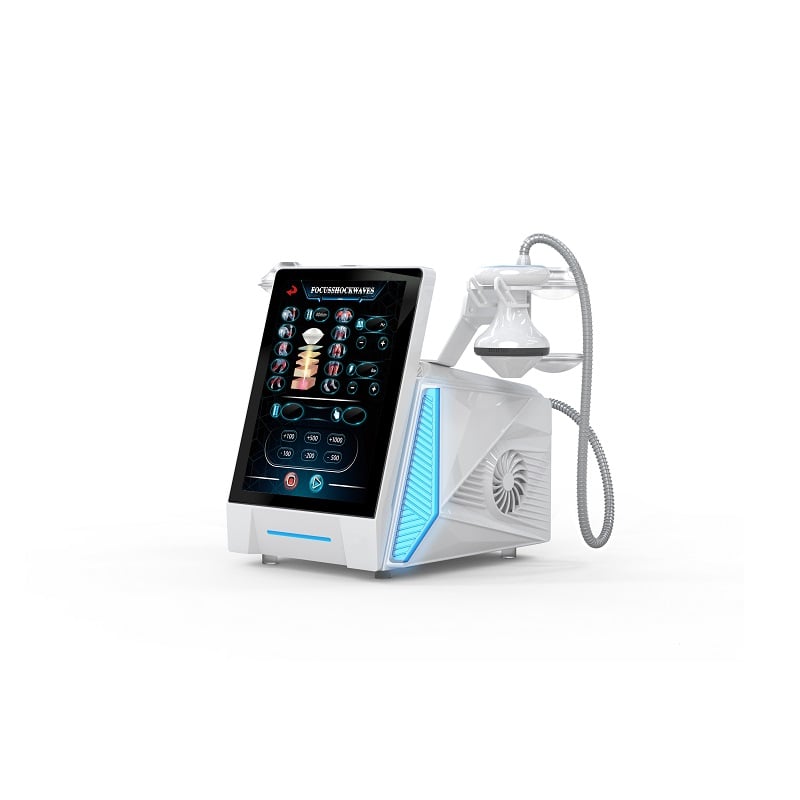
This guide focuses on how to compare equipment before purchase: what the technology is designed to deliver, which specifications affect daily use, and how to evaluate the supplier’s documentation and support. It also places shockwave therapy in context alongside PMST and PMCT systems, so your decision reflects actual service priorities rather than category labels alone.
Start by identifying the conditions and patient groups for which your clinicians expect to use the unit. A shockwave machine delivers acoustic pulses, but devices may differ in how they generate and focus energy, the applicators they support, and the treatment parameters available. Assess whether the proposed use aligns with your clinical protocols, professional scope, and the manufacturer’s instructions. Include this assessment when planning physical therapy equipment purchases, rather than assuming every modality serves the same purpose.
Ask how the system supports the intended treatment area and how clinicians will select settings within approved guidance. A pemf therapy device uses electromagnetic fields, so it is not a direct substitute for acoustic shockwave treatment. PMST and PMCT are also distinct modality labels; clarify what each specific device does, how it is used, and whether it fits a service need that your clinic has actually identified.
Compare the underlying treatment method before weighing features. PMST may be considered by a clinic exploring magnetic stimulation, while shockwave equipment is selected for acoustic pulse treatment; these approaches should not be treated as interchangeable. Review the intended use, contraindications, operator requirements, and available clinical documentation for each system, then decide whether PMST belongs in the same purchasing project or a separate evaluation.
Apply the same discipline when reviewing PMCT and a pemf therapy device. Ask for clear definitions instead of relying on abbreviations, and check whether the proposed treatment purpose overlaps with existing services. A clinic building physical therapy equipment capacity should compare modalities against patient demand, staff competencies, and the planned care pathway. This helps prevent a feature-rich device from being purchased for a role that the team does not intend to offer.
For each shockwave machine, examine the device type and the way it delivers energy. Determine whether the system is focused or radial, what applicators and treatment heads are included, and whether the controls let staff make adjustments within the labeled operating range. Request a demonstration using a representative workflow, not just a quick console overview. Document the physical therapy equipment requirements that matter for your target caseload and compare models against those requirements.
Do not judge treatment suitability by a single maximum setting. Clinicians need comprehensible controls, suitable applicators, and instructions that explain parameter selection and safe operation. A pemf therapy device may advertise different outputs and programs, but those specifications describe another treatment method and should be assessed separately. Likewise, PMST and PMCT terminology should be tied to precise technical documentation before it influences a comparison.
Assess the console footprint, mobility, cable management, storage, and the space needed to position a patient and operator. Consider setup and cleaning between appointments, as well as whether the treatment head is comfortable to handle during the planned session. These details shape usable capacity more than a specification sheet suggests. Add PMST to the comparison only if magnetic stimulation is a genuine service priority and the room can accommodate its workflow.
Ask staff to test common tasks: moving the unit, selecting a protocol, changing an applicator, and returning the device to storage. Consider how PMCT would fit alongside current appointments, rather than treating it as a simple add-on. A pemf therapy device also has its own setup and training needs, so compare it on its own workflow merits. The best physical therapy equipment choice is one that staff can use consistently within the clinic’s actual space and schedule.
Before committing, ask what installation, onboarding, maintenance, calibration, warranty, and repair processes are included or available. Confirm who handles technical questions, how service requests are submitted, and whether consumables or replaceable parts are needed. For a shockwave machine, establish the expected maintenance routine and the documentation supplied to support safe operation. Consider these commitments alongside the purchase price when allocating budget for physical therapy equipment.
Training should be specific to the model and cover operation, patient screening, treatment setup, cleaning, and escalation of technical issues. Ask whether clinicians can access updated instructions and how new team members will be onboarded. A pemf therapy device, PMST system, or PMCT unit may require a different training plan from shockwave equipment. Compare the required staff time and support arrangements before deciding to add another modality.
Create a short set of purchasing criteria based on intended use, clinical documentation, controls, room fit, service support, training, and budget. Score each proposed shockwave machine against the same criteria, and record any unanswered questions for the vendor. Verify claims against the device’s instructions and applicable local requirements rather than relying on verbal assurances. This makes the choice easier to explain to clinicians, administrators, and finance teams.
If you are evaluating a specific configuration, review its applicators, focused treatment design, interface, and intended setting in detail; the shockwave machine product page can serve as one reference point for that review. Compare its details with your criteria, not with assumptions based on category names. Treat PMST and PMCT as separate candidates unless your clinical plan establishes a clear reason to assess them alongside acoustic therapy.
Begin with intended patients, treatment goals, and operator requirements, then compare device design, applicators, workflow, and service terms. Check how the unit fits your physical therapy equipment plan and whether a pemf therapy device is relevant to a separate clinical need. Make sure the selection criteria are documented before demonstrations.
No. PMST and PMCT refer to different modality categories from acoustic shockwave treatment, though exact terminology and device functions should be verified in each product’s documentation. Compare PMST or PMCT only against an identified service need, not as automatic alternatives to a shockwave machine.
Proceed when clinical fit, staff training, room workflow, service arrangements, and budget have all been reviewed and key questions answered. Confirm the physical therapy equipment will be used within its documented intended purpose. If a pemf therapy device or PMCT remains under consideration, evaluate it independently and confirm its value to the clinic’s planned services.

