

 EN

shockwave-therapy-equipment-a-buyers-guide-for-rehabilitation-clinics, shockwave-therapy-equipment-a-buyers-guide-for-rehabilitation-clinics, /blog
EN
Choosing shockwave therapy equipment for a rehabilitation clinic is a clinical and operational decision, not simply a matter of comparing device specifications. The right fit depends on the conditions treated, practitioner experience, patient flow, available space, and the level of support needed after installation. A shockwave therapy machine should suit the clinic’s treatment model as well as its budget.
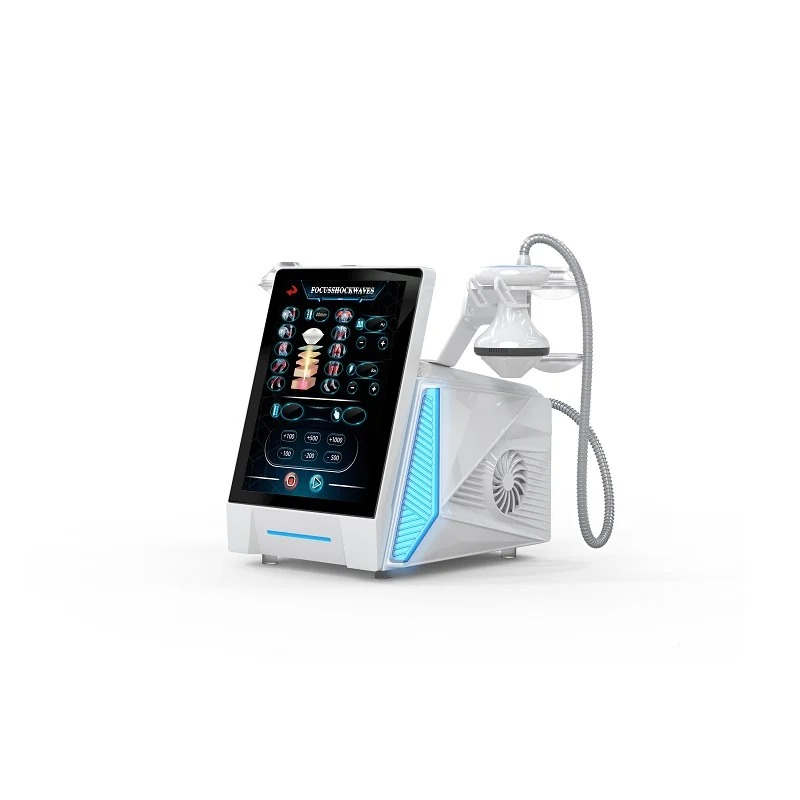
This guide explains how to assess treatment requirements, compare device approaches, and plan for safe daily use. It also considers how shockwave therapy relates to other modalities, including tecar, and how to assess a device as part of broader physiotherapy equipment. The aim is to help clinic owners and clinical leads make a decision grounded in practical use rather than headline specifications.
Begin by reviewing the conditions your clinic routinely manages and the patient groups you expect to treat. A shockwave therapy machine may be considered for musculoskeletal rehabilitation, but the clinician must determine whether a particular treatment approach is appropriate for each patient. Clarify the intended treatment areas, appointment types, and clinical protocols before discussing features. This prevents a purchase from being driven by a broad product description rather than actual service needs.
Ask whether focused shockwave therapy fits the clinic’s case mix and clinical practice. The decision should reflect practitioner training, patient assessment, and the treatment depth or targeting requirements in the intended protocols. Document the situations in which the modality may be used, alongside contraindications and referral pathways. A clear clinical rationale also helps staff explain the role of shockwave therapy to patients without presenting it as a guaranteed outcome.
Assess how the proposed device would sit beside the clinic’s current physiotherapy equipment. Consider whether staff can integrate treatment into existing assessment and rehabilitation plans, and whether the room can accommodate the unit, accessories, and patient positioning. Clinics already using tecar should compare the role of each modality in their care pathways rather than assume they are interchangeable. Complementary equipment can support different steps in care, but each should have a defined clinical purpose.
For clinics planning a new service, estimate likely demand using current caseloads and referral patterns. A shockwave therapy machine needs enough scheduled use to justify its purchase, while not displacing essential space or equipment. Discuss realistic appointment duration, cleaning routines, and staff availability. If focused shockwave therapy is new to the team, include time for training and supervised familiarization when estimating launch capacity.
Understand the delivery method before comparing interface details. Focused shockwave therapy is a specific approach, so confirm that the device’s intended use and operating guidance match the clinic’s clinical plan. Ask for clear explanations of adjustable settings, applicator options, and how clinicians monitor and record treatment parameters. A shockwave therapy machine should make routine controls understandable to trained users, with documentation that supports consistent practice.
Request a demonstration using a realistic clinic workflow, not only a presentation of the unit. Observe setup, patient positioning, adjustment of settings, and transition between appointments. Review how the device is moved and stored, and whether accessories are easy to identify and maintain. If focused shockwave therapy is central to the intended service, clinicians should be able to assess the interface and handling themselves before the buying decision is finalized.
Map the complete appointment, from initial screening to treatment documentation and follow-up planning. A shockwave therapy machine is only one part of that process: clinicians still need suitable assessment, patient communication, and outcome review. Check that the workflow leaves adequate time to explain treatment, obtain informed consent, and respond to patient feedback. Review whether physiotherapy equipment already in use can be arranged to support smooth transitions.
Consider how the modality will relate to other services in practice. A clinic that provides tecar may need separate protocols and staff guidance so patients receive a clear explanation of each treatment’s purpose. Keep decisions based on the patient’s assessed needs rather than on a desire to combine modalities routinely. This approach supports coherent care and helps staff avoid presenting focused shockwave therapy as a substitute for exercise, education, or other appropriate rehabilitation.
Before installation, identify who will use the system and what training they require. Confirm the provider’s training format, learning materials, and access to operating instructions, then establish internal competency expectations. Focused shockwave therapy requires clinicians to follow appropriate assessment and device guidance. Written procedures should cover patient screening, consent, treatment records, cleaning, and escalation when a patient response needs clinical review.
Include the whole team in practical planning. Reception staff may need a basic understanding of appointment timing, while clinicians need detailed knowledge of safe operation and treatment rationale. Ensure that the shockwave therapy machine can be positioned without obstructing access or creating trip hazards. If tecar or other physiotherapy equipment shares the room, define storage and setup routines that reduce avoidable delays between patients.
Compare the ownership requirements, not just the initial quote. Ask what routine inspection, servicing, replacement parts, warranty coverage, and technical support involve, and confirm which costs are included or separate. For a shockwave therapy machine, clarify expected maintenance procedures and how service requests are handled. Keep written records of the answers so procurement decisions can be reviewed against clinic requirements.
Finally, assess whether the device remains practical as the service develops. Consider staff turnover, possible changes in patient demand, and the room’s capacity for additional physiotherapy equipment. If the clinic offers tecar, compare training and maintenance commitments across the full equipment mix. A sound purchase decision balances clinical fit, usability, implementation effort, and ongoing support, rather than relying on a single feature or a projected increase in appointments.
Start with patient needs, clinician experience, intended protocols, and available treatment space. Then evaluate usability, training, service arrangements, and the machine’s fit with existing physiotherapy equipment. A clear clinical purpose helps the clinic judge whether the investment is appropriate.
Not automatically. Suitability depends on the clinic’s caseload, practitioner competence, clinical protocols, and ability to screen patients appropriately. Clinics should also decide how focused shockwave therapy fits alongside options such as tecar and other established rehabilitation services.
Compare the intended role of each modality within assessed care plans, rather than assuming one replaces the other. Review training, treatment workflow, and equipment requirements for both. Clear protocols help staff explain when shockwave therapy or tecar may be considered and how each relates to broader rehabilitation.

