

 EN

shockwave-therapy-for-tendon-vs-fascia-related-complaints, shockwave-therapy-for-tendon-vs-fascia-related-complaints, /blog
EN
Tendon pain and fascia pain can occur in the same region, but they do not describe the same tissue problem. Shockwave therapy may be considered for either complaint after assessment, yet the target, treatment plan, and reasons for using it differ. Understanding those distinctions helps clinicians and patients discuss whether this approach fits a particular case.
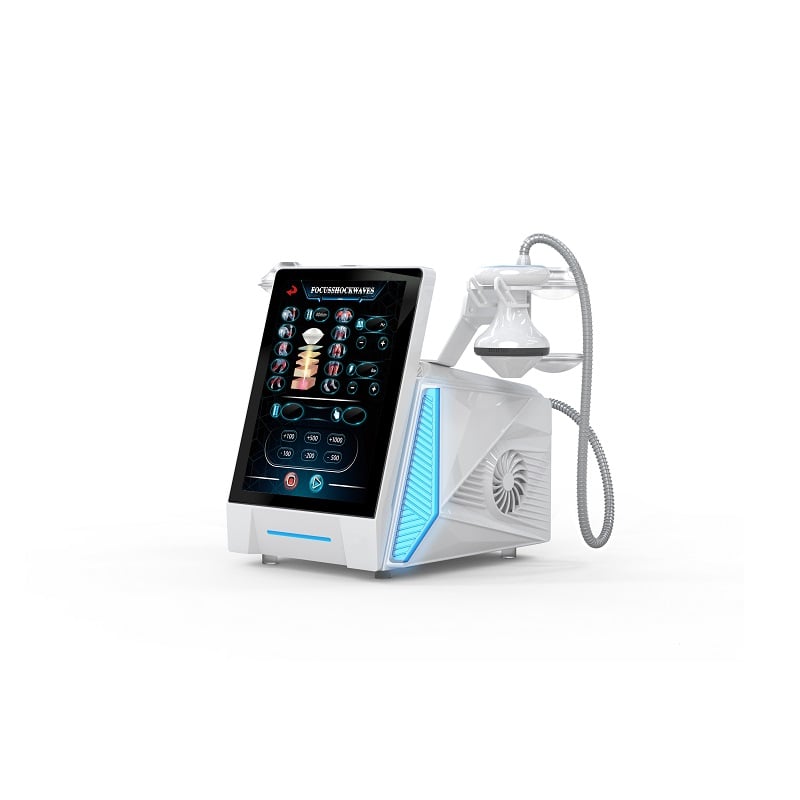
The practical starting point is to identify the painful structure and the forces that irritate it. Extracorporeal shockwave describes a method of delivering acoustic energy from outside the body; it does not identify a diagnosis. This article explains how shockwave treatment may be considered for tendon versus fascia related complaints, and what should guide a responsible musculoskeletal therapy plan.
Tendons connect muscle to bone and transmit force during movement. A tendon-related complaint often becomes noticeable with specific loading, such as lifting, jumping, gripping, or repeated movement. The exact pattern depends on the tendon and activity involved. Before shockwave therapy is considered, the clinician should connect the pain location and examination findings with the person’s function and history.
Tendon symptoms can persist when activity repeatedly exceeds current capacity, but pain alone does not confirm a tendon diagnosis. Assessment may consider strength, range of motion, tenderness, and how symptoms respond to progressively applied load. Extracorporeal shockwave may be discussed as one element of care in selected cases; shockwave treatment does not replace load management or an appropriate strengthening plan.
Fascia is connective tissue that surrounds and links structures, and common complaints can involve a broad, sensitive region rather than a single tendon attachment. For example, plantar fascia pain is often associated with discomfort around the heel or arch, particularly with initial steps after rest. A musculoskeletal therapy assessment should consider symptom behavior, footwear and activity demands, not simply the site that hurts.
A fascia-related presentation may call for attention to walking volume, calf capacity, foot function, and recovery between activities. Shockwave therapy may be considered when symptoms and clinical findings support that choice, but the treatment target should be identified clearly. Shockwave treatment aimed at a fascia complaint is not automatically interchangeable with a plan for a nearby tendon, even when the patient points to a similar area.
A useful decision begins with a working diagnosis, a defined treatment goal, and a review of what has already been tried. Extracorporeal shockwave can be applied using different device settings and delivery approaches, so the clinician should explain the intended target and why the selected approach fits the complaint. Shockwave therapy should sit within a broader plan rather than serve as a diagnosis or a stand-alone promise of recovery.
For a tendon complaint, the plan should account for the activities that load the tendon and the patient’s ability to complete rehabilitation. For a fascia complaint, the clinician may also review sustained standing, walking patterns, and regional mobility. In either situation, musculoskeletal therapy should connect symptom relief goals with practical changes in capacity. The reasoning behind shockwave treatment should be specific to the tissue and the person.
People may experience temporary discomfort during or after extracorporeal shockwave, and the response varies by individual and treatment area. A clinician can explain what sensations are expected, how activity may be adjusted, and when to report a concern. Discussing these details before shockwave therapy helps patients make an informed choice and avoids treating normal short-term reactions as proof of either success or failure.
Care should also consider concurrent health issues, medication use, and other factors that could affect suitability. The treating professional can screen for precautions and determine whether another assessment or approach is more appropriate. Musculoskeletal therapy may combine education, tailored exercise, and activity modification with shockwave treatment when indicated. The combination should be reviewed over time rather than continued automatically.
A clear baseline makes follow-up more useful. Record the task that brings on symptoms, how long discomfort lasts, and what level of activity is manageable. For a tendon, this could mean a work task or a controlled strengthening exercise; for fascia, it might include walking duration or first-step discomfort. Extracorporeal shockwave should be judged alongside these functional measures, not by a single impression immediately after a session.
Agree on a review point and decide in advance what would count as meaningful change. Reduced pain may matter, but so can improved confidence, greater walking tolerance, or a return to a necessary job duty. Shockwave therapy does not guarantee a particular result, and progress can be gradual. A musculoskeletal therapy plan should be adjusted if symptoms worsen, function stalls, or the original diagnosis becomes less convincing.
If the response is limited, reassess the diagnosis, the chosen target, the exercise dose, and the daily loads placed on the area. A clinician may decide to continue, modify, pause, or replace shockwave treatment based on that review. This is especially important when a person has pain in overlapping structures, because an assumed tendon or fascia source may not explain the full pattern.
The best decision is therefore not simply whether shockwave therapy is available, but whether the diagnosis, goals, and treatment plan align. Ask what structure is being targeted, what other care is needed, how progress will be measured, and when the plan will be reconsidered. This makes extracorporeal shockwave a considered option within musculoskeletal therapy, rather than a substitute for careful evaluation.
It may be considered for selected complaints involving either tissue, but suitability depends on assessment, symptoms, and individual factors. The target and supporting rehabilitation plan should reflect whether the concern is tendon-related or fascia-related.
Not necessarily. The clinician should identify the intended tissue and explain how the approach fits the diagnosis. Device settings, treatment location, and the surrounding care plan may differ according to the complaint.
Review changes in relevant activities, symptom behavior, and function with the treating professional. If progress is unclear or symptoms worsen, reassessment can help determine whether to adjust the plan or reconsider the diagnosis.

