

 EN

shockwave-therapy-machine-buying-guide-for-rehabilitation-equipment-distributors, shockwave-therapy-machine-buying-guide-for-rehabilitation-equipment-distributors, /blog
EN
For rehabilitation equipment distributors, selecting a shockwave therapy machine means balancing clinical use, product configuration, service requirements, and the needs of local buyers. A useful buying process looks beyond specifications: it checks how the device fits into a clinic’s treatment mix, staff workflow, and purchasing criteria. Reviewing physical therapy equipment through this lens helps you assess focused shockwave therapy as a practical category, not just a technical feature.
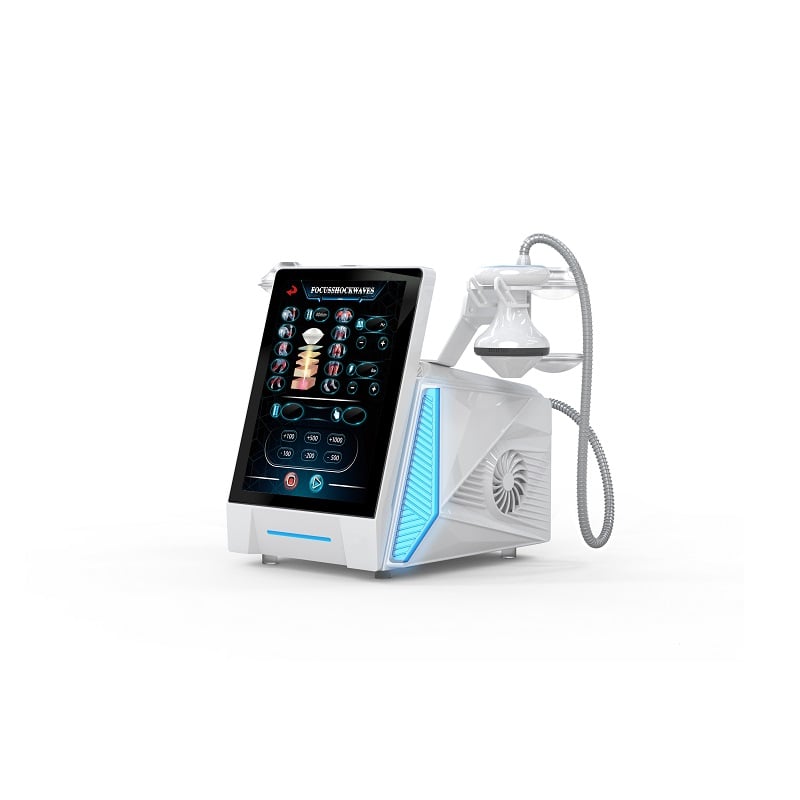
This guide sets out a distributor-focused evaluation, from clarifying intended applications to checking delivery, training, and after-sales support. It also explains how to discuss PMST and PMCT when these terms appear in a product portfolio, without treating different technologies as interchangeable. Use the criteria to build a consistent review process before adding a shockwave therapy machine to your rehabilitation equipment offering.
Start by identifying the clinics and practitioners you serve. Ask which patient presentations and treatment workflows they want to support, how frequently the device may be used, and what space is available. This context helps you assess physical therapy equipment against buyer needs rather than selecting by headline specifications alone. For a shockwave therapy machine, confirm that the intended applications and operating method are clearly described.
Focused shockwave therapy may be relevant to facilities seeking a targeted treatment approach, but the appropriate choice depends on clinical protocols, practitioner training, and device documentation. Review the product’s stated energy delivery method, applicator options, controls, and consumables. Physical therapy equipment should be assessed as a complete operating system, including accessories and setup requirements, rather than as a unit in isolation.
Product catalogs sometimes place PMST, PMCT, and shockwave solutions in a broad rehabilitation category. Do not assume PMST or PMCT describes the same mechanism as focused shockwave therapy. Ask for clear technical descriptions, intended-use information, and supporting materials for each option. This makes your sales conversation more accurate and helps clinics understand why one device may fit their service model better than another.
When a buyer compares PMST with a shockwave therapy machine, establish the clinical question first, then explain the documented differences without making unsupported outcome claims. Confirm terminology directly with the product documentation, since naming conventions can vary. A well-organized physical therapy equipment portfolio gives staff a clear way to distinguish treatment categories and discuss each device within its stated scope.
A distributor review should examine the control interface, adjustment range, treatment heads, connection points, mobility, and included accessories. Check whether the specifications are consistent across product sheets, manuals, and demonstrations. For focused shockwave therapy, the buyer should be able to understand how the device is configured for its intended use. Physical therapy equipment that is straightforward to explain is also easier to demonstrate responsibly.
Ask how PMCT devices are positioned and documented, and compare that information with the requirements for the clinics you serve. Check electrical requirements, installation conditions, cleaning guidance, and routine inspection needs before estimating the full operating burden. A PMST product or a shockwave therapy machine may require different setup and training discussions, so avoid assuming that one process applies to every category.
During a demonstration, observe how staff navigate the controls, select settings, position accessories, and complete the session workflow. Focused shockwave therapy discussions should stay tied to the device’s documented functions and practitioner protocols. Note questions that arise repeatedly, then include answers in your sales and onboarding materials. This practical review can reveal whether physical therapy equipment is manageable for the intended clinic team.
Ask for evidence behind any technical or performance statement you plan to repeat to customers. Review manuals and labeling for operating limits, maintenance steps, and cautions, and clarify who handles troubleshooting. For PMCT and PMST offerings, request the same level of detail you expect for a shockwave therapy machine. Consistent documentation supports informed decisions and reduces ambiguity during procurement.
The buying decision should include more than the initial device configuration. Clarify warranty terms, expected service channels, availability of replacement accessories, and the process for handling technical questions. For physical therapy equipment, these details shape the clinic’s ownership experience and your own support workload. A product can be technically suitable yet difficult to distribute if service responsibilities remain unclear.
Discuss training format, installation support, and the materials supplied for staff orientation. Ask how users can obtain updated instructions and whom they should contact when an operational issue occurs. When evaluating PMST, PMCT, or focused shockwave therapy, confirm whether onboarding differs by device type. These answers help you plan realistic support and communicate expectations before a clinic places an order.
Create a repeatable review file for each shockwave therapy machine, including specifications, intended use, accessories, setup details, and service terms. Keep claims aligned with the supplied documentation and avoid promising clinical results. A reliable physical therapy equipment presentation explains what the product does, who may consider it, and which questions the clinic should resolve with qualified practitioners.
For focused shockwave therapy, organize demonstrations around workflow and documented functions instead of broad claims. Let clinic staff inspect controls, accessories, and operating steps, and give them time to raise practical concerns. If PMST or PMCT is also under consideration, explain the separate product information clearly. This approach helps buyers compare options based on use, support, and fit rather than labels alone.
Plan logistics before promoting a product: verify packaging, delivery access, installation needs, and the process for confirming receipt. Document who will provide user orientation and how follow-up questions will be routed. For physical therapy equipment, a clear handoff from order to first use strengthens distributor readiness. Apply the same process to PMCT and PMST products so operational details do not get overlooked.
Finally, make the purchasing conversation consultative. Ask about room layout, staff roles, intended treatment protocols, and procurement constraints before recommending a configuration. A shockwave therapy machine should be presented with its documented specifications and support arrangements, not as a universal solution. That standard keeps focused shockwave therapy discussions practical and aligned with a clinic’s decision process.
Before approval, compare each candidate against the same questions: Does the stated clinical use fit the target buyer? Are specifications and operating instructions complete? Can the team manage setup, training, and service? Are product distinctions such as PMST and PMCT explained accurately? This framework makes physical therapy equipment decisions easier to review across accounts and helps identify missing information early.
Record unresolved questions rather than filling gaps with assumptions. Request clarification on technical terms, accessories, warranty coverage, and user support, then update your internal materials when answers are confirmed. A disciplined process is especially useful when focused shockwave therapy and other modalities appear together in a catalog. It supports clear communication while allowing each clinic to judge suitability within its own clinical and operational context.
Begin with the intended users and clinical applications, then verify the device’s specifications, documentation, service terms, and training requirements. Physical therapy equipment should fit the clinic’s workflow, while PMST should be described according to its own product information.
Do not assume they are interchangeable. Review the documentation for each category and explain differences using verified descriptions. Check PMCT details and focused shockwave therapy information separately, and confirm how physical therapy equipment will be used in the clinic’s setting.
Show documented controls, setup, accessories, and routine workflow, then invite questions about training and support. Keep PMST explanations accurate, discuss PMCT based on its supplied materials, and explain focused shockwave therapy without guarantees. This helps a buyer judge the shockwave therapy machine against real operational needs.

