

 EN

shockwave-therapy-machine-features-buyers-should-compare-before-purchasing, shockwave-therapy-machine-features-buyers-should-compare-before-purchasing, /blog
EN
Choosing a shockwave therapy machine requires more than comparing a screen size or a list of treatment settings. Buyers should assess the delivery method, controls, applicator design, maintenance needs, and fit with the clinic’s treatment mix. Comparing focused shockwave therapy with other modalities such as tecar and pmst also helps clarify where each device belongs in a care pathway. These points make physiotherapy equipment decisions more practical and easier to justify.
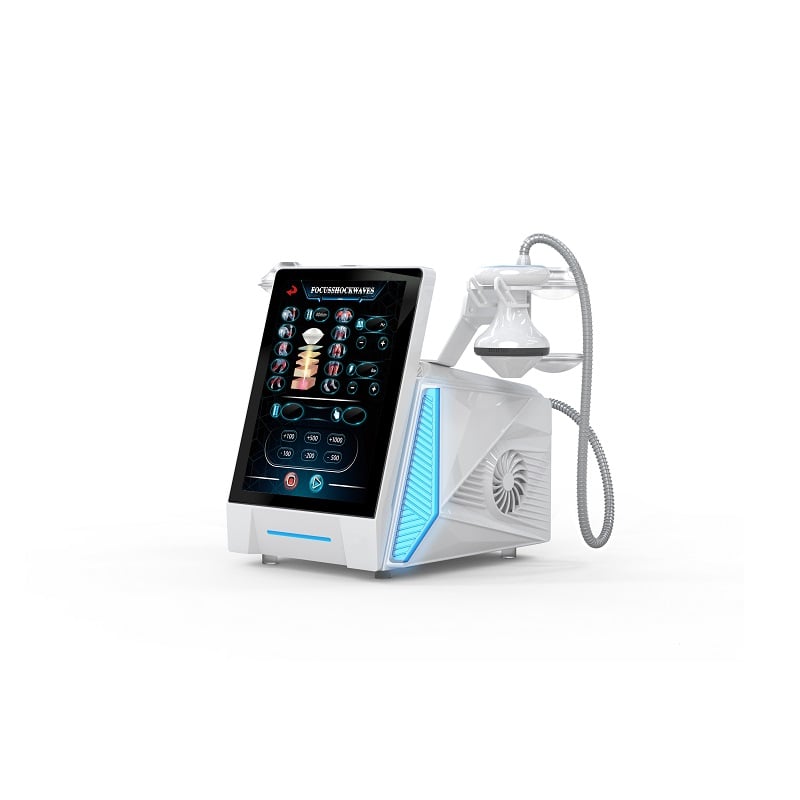
A useful comparison starts with the patients, conditions, and appointment workflow the device must support. A shockwave therapy machine intended for a busy rehabilitation clinic may need different controls and service arrangements from equipment used in a smaller practice. Buyers should also consider how focused shockwave therapy complements tecar or pmst, rather than assuming that one technology replaces another. This guide explains the features that deserve close review before purchase.
Begin by confirming how the device generates and delivers its treatment energy. Focused shockwave therapy directs energy toward a defined treatment area, so buyers should ask how the system supports accurate application and repeatable settings. A shockwave therapy machine should present its operating parameters clearly, while the clinical team should understand which protocols are appropriate for its scope of practice. When assessing physiotherapy equipment, prioritize a clear explanation of intended use over broad claims about outcomes.
Ask the seller or technical representative to demonstrate the treatment sequence, including setup, adjustment, and shutdown. Compare the available applicators and confirm whether their design suits the treatment areas your team commonly addresses. Focused shockwave therapy has a different role from tecar or pmst, so compare each modality according to clinical purpose and workflow. Do not treat a feature label as proof of suitability; confirm the device documentation and training requirements before making a decision.
Build the comparison around the clinic’s actual service plan. Identify the patient groups, treatment areas, and session patterns the team expects to support, then verify that the proposed shockwave therapy machine can be used within those boundaries. Focused shockwave therapy may be one component of a broader rehabilitation approach, while tecar or pmst may serve different roles. Physiotherapy equipment should fit established clinical processes, not push the team toward protocols it has not evaluated.
Review the evidence and instructions provided for each intended application, and involve clinicians who will operate the system. Ask what training is recommended, which contraindications require screening, and how treatment parameters are selected. A comparison that includes focused shockwave therapy alongside tecar and pmst should distinguish technology from treatment claims. The decision becomes more defensible when clinical fit, staff competency, and device documentation are assessed together rather than as separate purchasing concerns.
During a demonstration, have intended users operate the interface rather than relying only on a presentation. Check whether settings are easy to locate, adjust, and verify before treatment, and whether the display remains readable in the room. A shockwave therapy machine should make routine actions understandable to trained staff. Compare focused shockwave therapy controls with the steps involved in tecar and pmst workflows, including patient positioning and preparation.
Consider how long setup takes and whether accessories can be reached without interrupting a session. Inspect applicator handling, cable routing, storage, and cleaning instructions, since these details affect everyday use. When selecting physiotherapy equipment, ask staff to simulate a normal appointment from room preparation through turnover. Their feedback may reveal usability concerns that a specification sheet misses, such as awkward movement, unclear prompts, or an accessory arrangement that slows the clinical routine.
Compare the range and clarity of adjustable parameters, then determine whether users can record the settings they apply according to clinic policy. Focused shockwave therapy requires staff to follow suitable procedures and use settings within device guidance. Ask how the interface supports repeatable operation without implying that identical settings suit every patient. This same disciplined review applies when tecar or pmst devices are considered as part of a wider service offering.
Look for safeguards that help prevent accidental changes and make the active treatment state visible. Ask whether user profiles, saved protocols, or session records are available, and confirm what each function actually stores. A shockwave therapy machine can only support a consistent workflow when its controls are understood and correctly used. Check whether training covers focused shockwave therapy principles as well as device operation, and whether refresher guidance is available when staff roles change.
Compare more than the initial purchase price. Request clear details on consumables, replacement parts, service intervals, warranty coverage, shipping, installation, and staff training. For focused shockwave therapy, confirm which applicator components may need inspection or replacement and how downtime is handled. Include tecar and pmst in the wider equipment plan where relevant, so the clinic can assess room capacity, power needs, and total operating commitments.
Ask for a written breakdown of what is included and what creates an additional cost. Confirm whether the proposed shockwave therapy machine requires routine checks, specialized servicing, or particular storage conditions. For physiotherapy equipment, practical ownership costs can influence whether a device remains available when the clinic needs it. A complete comparison should therefore include anticipated maintenance and support arrangements, not only the purchase quote or advertised feature set.
Before committing, establish how technical questions, repairs, and replacement components will be handled. Ask who provides onboarding, what operating materials are supplied, and how staff can access help after installation. If focused shockwave therapy is new to the clinic, plan adequate time for clinical review and user training. The same implementation discipline helps when adding tecar or pmst, especially if several devices will share rooms or staff.
Use a written evaluation that records must-have functions, clinical fit, usability, service terms, and unresolved questions. Invite clinicians, operations staff, and the person responsible for equipment maintenance to review the findings. A shockwave therapy machine should meet defined needs without creating avoidable workflow or support gaps. Comparing physiotherapy equipment on these practical criteria makes the final choice transparent and helps the clinic prepare for installation, staff adoption, and ongoing oversight.
Start with treatment delivery and intended clinical use, then check whether the device’s controls and applicators support that use. Confirm documentation, training needs, and workflow fit before weighing optional features or price differences.
Yes, when the clinic is planning its wider treatment offering. Compare each modality by intended role, staff competency, room workflow, and ownership requirements. They are distinct technologies, so a comparison should not assume they are interchangeable.
Verify included accessories, warranty terms, service arrangements, installation requirements, training, and any ongoing costs in writing. Have intended users review a demonstration and resolve clinical or technical questions before final approval.

