

 EN

shockwave-therapy-machines-vs-ultrasound-therapy-devices-compared, shockwave-therapy-machines-vs-ultrasound-therapy-devices-compared, /blog
EN
Choosing between a shockwave therapy machine and an ultrasound therapy device starts with the clinical task, not a feature checklist. Both can support musculoskeletal therapy, but they deliver energy differently and are used with distinct treatment goals in mind. Understanding those differences helps a clinic align equipment with patient needs, practitioner training, and the services it intends to provide.
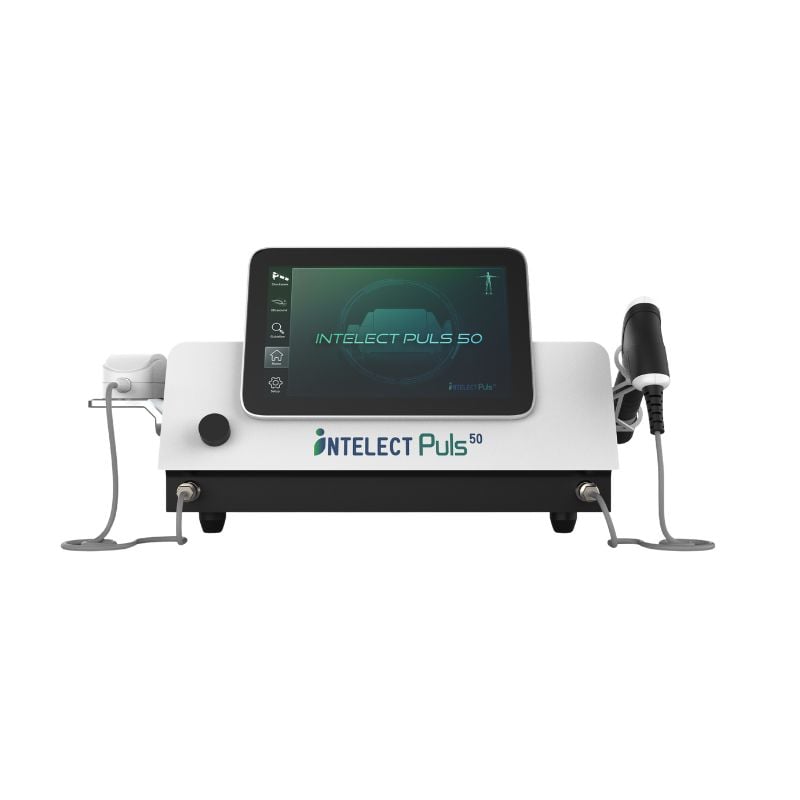
The practical comparison is not that one modality replaces the other. Extracorporeal shockwave therapy uses brief acoustic pulses, while therapeutic ultrasound applies sound energy in a different pattern and at different frequencies. A radial shockwave device may suit a clinic assessing a focused set of tendon or soft-tissue complaints; ultrasound may fit broader treatment plans where its specific delivery method is appropriate.
A shockwave therapy machine generates short mechanical pulses and transmits them through an applicator to a selected treatment area. In extracorporeal shockwave therapy, the clinician positions the applicator over a target and adjusts treatment according to the device, protocol, and patient response. This approach is distinct from ultrasound, where a transducer delivers sound energy continuously or in pulses while moving across the skin with a coupling medium.
The distinction matters because the sensations, application technique, and clinical reasoning are not interchangeable. A radial shockwave device generally disperses energy outward from its applicator, so the practitioner considers the target area and the tissue depth the system is intended to address. Ultrasound treatment depends on the transducer, selected settings, movement, and coupling. In both cases, staff need to follow device instructions and their clinical protocols.
For musculoskeletal therapy, modality selection should follow assessment rather than habit. A shockwave therapy machine is often considered when a practitioner has identified a suitable musculoskeletal target and wants to use acoustic pulses as part of a broader plan. Ultrasound can be considered for different treatment aims, but its availability does not make it an automatic substitute for shockwave treatment. Patient history, diagnosis, contraindications, and expected response all inform the decision.
Extracorporeal shockwave therapy typically requires deliberate applicator placement and communication about pressure or discomfort during a session. Ultrasound application instead involves maintaining appropriate contact and movement over the prescribed area. A radial shockwave device, ultrasound unit, and practitioner therefore bring different requirements for technique and patient preparation. Clinics should train staff on the selected system and avoid assuming that familiarity with one modality transfers fully to the other.
A useful comparison begins with the condition being managed, the treatment objective, and the role of each modality in the care plan. For musculoskeletal therapy, clinicians should consider the affected structure, symptom duration, prior management, patient tolerance, and relevant precautions. A shockwave therapy machine may be considered for an appropriate target when the practitioner has the training and a defensible protocol, rather than simply because the equipment is available.
Ultrasound may be selected when its particular application is consistent with the assessment and the clinic’s treatment approach. The choice should not rest on a broad claim that one device works for every complaint. Extracorporeal shockwave therapy and ultrasound are different interventions, so the practitioner should explain the intended purpose, likely treatment experience, and alternatives in terms the patient can understand. Individual response varies, and plans may need review.
Before using a radial shockwave device, the practitioner identifies the treatment region, checks suitability, and sets parameters in accordance with training and manufacturer guidance. The session involves positioning, controlled application, monitoring patient feedback, and documenting the response. Ultrasound workflows also require preparation and correct setup, but the practitioner’s application technique and treatment settings differ. Clear protocols help maintain consistency across clinicians without replacing individual judgment.
A modality should also fit the wider care pathway. In musculoskeletal therapy, equipment may complement exercise, education, load management, or other interventions rather than function as a standalone plan. Extracorporeal shockwave therapy may require a schedule and follow-up that reflect the patient’s condition and response; ultrasound may be incorporated according to a different rationale. Explain how progress will be reviewed and what would prompt a change in approach.
When evaluating a shockwave therapy machine, review the intended treatment applications, available settings, applicator design, usability, maintenance needs, and staff training requirements. Confirm that the unit’s specifications suit the clinic’s services and that operating instructions are accessible to the people who will use it. A radial shockwave device should be assessed for practical fit, including how its handpiece and workflow align with the treatment areas routinely managed.
Also consider how the equipment will be scheduled, cleaned, stored, and supported in daily practice. Extracorporeal shockwave therapy involves patient positioning and applicator use, so room layout and a clear setup process can affect session flow. Ultrasound systems have their own transducer care and coupling requirements. The relevant comparison is not just purchase cost: staff time, onboarding, upkeep, and compatibility with clinic protocols all matter.
Clinics do not need to frame the decision as an either-or choice if both modalities serve distinct, appropriate purposes. Consider patient mix, practitioner competence, treatment demand, budget, and the evidence and guidance relevant to intended use. Musculoskeletal therapy services benefit from having a clear rationale for each intervention. A shockwave therapy machine can be a considered addition when the clinic can support its safe, consistent use and appropriate patient selection.
Where a system combines shockwave and ultrasound functions, verify how each mode operates and whether the available functions match actual clinical needs. Do not assume that combined hardware removes the need for separate training, protocols, or treatment decisions. Compare the machine’s documentation, workflow, and service requirements with those of a standalone ultrasound unit. That review makes the equipment decision specific to the clinic instead of relying on a broad modality preference.
Not as a direct, general replacement. Ultrasound and extracorporeal shockwave therapy use different energy delivery methods and may serve different roles. A clinician should base the choice on assessment, treatment goals, contraindications, and professional guidance. For musculoskeletal therapy, the appropriate option depends on the individual case rather than the equipment label.
Check intended applications, settings, applicator usability, training, maintenance, and how the workflow fits the clinic’s patient population. Confirm that staff can follow the operating guidance and document treatment appropriately. A radial shockwave device should support a defined service need, not simply add another modality to the room.
Some systems combine functions, but each modality still requires its own clinical rationale and correct operating technique. Review the system documentation, staff training needs, and service requirements before deciding. A combined shockwave therapy machine may be suitable when its functions match the clinic’s needs, but it does not make ultrasound and shockwave treatment interchangeable.

