

 EN

shockwave-therapy-vs-injection-approaches-for-chronic-tendon-pain, shockwave-therapy-vs-injection-approaches-for-chronic-tendon-pain, /blog
EN
For chronic tendon pain, shockwave therapy and injections are different treatment approaches, not interchangeable procedures. Shockwave therapy applies acoustic pulses to a targeted area, while an injection delivers a substance into or around tissue. The right comparison depends on the tendon involved, symptom duration, previous care, clinical findings, and the patient’s goals.
Neither option should be selected from a diagnosis label alone. A clinician first checks whether the pain is truly tendon-related, considers contributing load and movement patterns, and reviews medical history. This article explains how extracorporeal shockwave and injection approaches differ, what a treatment course can involve, and how to discuss a sensible plan within broader musculoskeletal therapy.
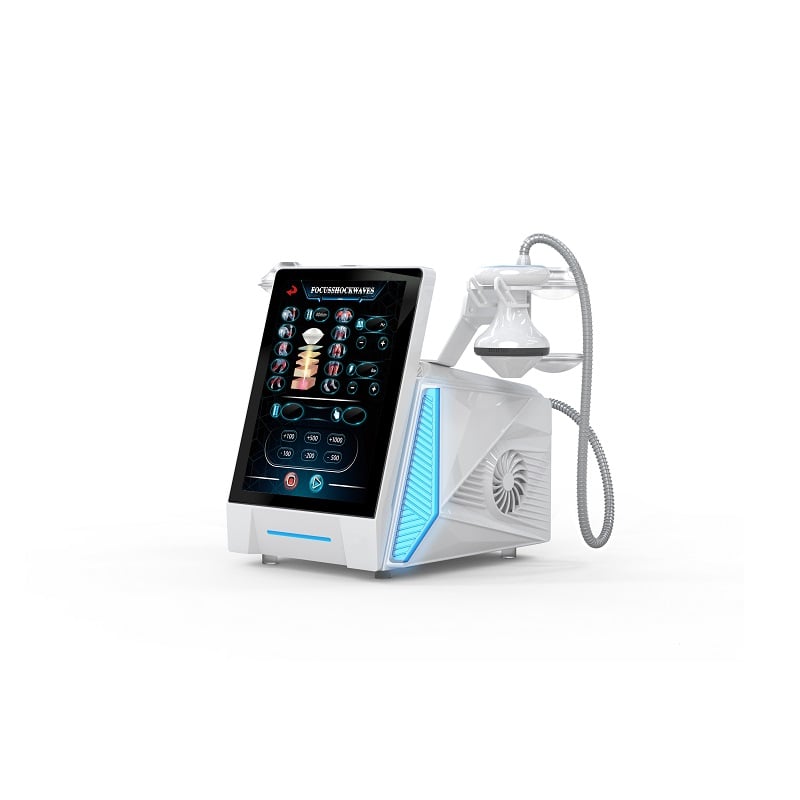
Shockwave therapy uses focused or radial acoustic pulses applied externally over a selected region. Extracorporeal shockwave is a non-invasive procedure: a clinician positions an applicator on the skin and adjusts delivery to the site and tolerance. The aim is to stimulate a local tissue response and support recovery, rather than to place medication directly inside the tendon.
An injection, by contrast, introduces a chosen substance near or into a target structure, with the intended effect depending on the agent and diagnosis. These approaches therefore differ in delivery, risks, and expected role. Shockwave treatment may form part of a gradual rehabilitation plan, while an injection can be considered for a specific clinical indication. Musculoskeletal therapy still needs to address load, strength, and function.
Results vary by tendon, condition, protocol, and study design, so neither approach guarantees relief. Shockwave therapy is often considered for persistent tendon symptoms after an appropriate conservative program, but the evidence is not identical across body sites. Extracorporeal shockwave should be discussed in terms of realistic goals, likely treatment visits, discomfort during application, and how progress will be assessed.
Injection outcomes also depend on what is injected and where, and a short-term change in pain does not necessarily mean tendon capacity has improved. Some injections carry tissue-specific concerns, so clinicians weigh potential benefit against possible harm. Shockwave treatment likewise can cause temporary soreness or skin sensitivity. A musculoskeletal therapy plan should therefore measure both symptoms and practical abilities, rather than judging success from one session.
The decision begins with an accurate assessment of pain location, duration, activity demands, and prior care. A clinician may check strength, range of motion, tenderness, and whether symptoms match a tendon condition; imaging may be useful when the diagnosis is uncertain or another problem is suspected. Shockwave therapy may be discussed when symptoms persist despite suitable load management and exercise.
Other considerations include medication use, bleeding risk, pregnancy, skin condition, implanted devices, and relevant medical history, because suitability varies by procedure and device. Extracorporeal shockwave is not appropriate for every person or treatment area, and an injection’s suitability depends on the agent and target. Musculoskeletal therapy should account for work, sport, recovery time, and the patient’s preferences before treatment is chosen.
An injection may be considered when a clinician identifies a reason to target a particular structure or when other measures have not met the clinical need. The decision should specify the substance, intended location, expected duration of benefit, and follow-up. Comparing this option with shockwave treatment means discussing the procedure’s purpose, potential complications, and whether it supports or delays a longer-term rehabilitation strategy.
Patients should ask whether the injection is intended to reduce pain, address inflammation, or serve another purpose, since those aims are not equivalent. A clinician can explain alternatives and any restrictions after the procedure. In a comparison with shockwave therapy, the key question is not which treatment is universally stronger, but which risk-benefit profile fits the diagnosis, goals, and prior response.
Before starting shockwave therapy, agree on the target area, session schedule, expected sensations, and criteria for continuing or stopping. A provider should explain how the applicator is positioned and how intensity is adjusted for comfort and clinical purpose. Extracorporeal shockwave works best as one element of a defined plan, not as a substitute for reviewing the activity or loading pattern that keeps provoking symptoms.
For an injection, planning includes confirming the target, reviewing medicines and allergies, explaining aftercare, and arranging follow-up. The patient should know when to seek medical advice for a concerning reaction. Whether care includes shockwave treatment or an injection, musculoskeletal therapy commonly emphasizes a graduated return to tendon loading, with changes paced to symptoms and functional response.
Measure progress with tasks that matter, such as walking, lifting, gripping, climbing stairs, or returning to a sport, alongside pain and confidence. Record a baseline before treatment and review it at agreed intervals. If function is unchanged or symptoms worsen, reassess the diagnosis, loading plan, and treatment choice instead of automatically repeating a procedure. Shockwave therapy is one possible component, not a complete explanation for recovery.
A useful review also checks whether exercise dose, rest, footwear, work setup, or technique needs adjustment. Improvement may be gradual, and day-to-day fluctuations do not always show the overall direction. Extracorporeal shockwave and injection approaches should both be judged against shared goals and safety. Coordinated musculoskeletal therapy helps clinicians decide whether to continue, modify, or discontinue an intervention based on the patient’s actual progress.
No. The preferred option depends on the diagnosis, tendon site, medical history, evidence for that condition, and treatment goals. A clinician can explain why shockwave therapy, an injection, or another approach is suitable in an individual case.
Usually, it should not be treated as a replacement for a broader plan. Extracorporeal shockwave may be considered alongside progressive loading and activity adjustments, with care guided by assessment and response.
Review pain together with specific functional tasks and agreed goals. Shockwave treatment should be reconsidered if there is no meaningful progress, symptoms worsen, or the diagnosis and rehabilitation plan need reassessment. Musculoskeletal therapy can then be adjusted with the treating clinician.

