

 EN

shockwave-therapy-vs-manual-release-mechanism-differences, shockwave-therapy-vs-manual-release-mechanism-differences, /blog
EN
Shockwave therapy and manual release can both form part of care for persistent soft-tissue or tendon-related problems, but they work through different inputs. Shockwave therapy delivers acoustic energy to a selected area, while manual release relies on a clinician’s hands to apply pressure and movement. Understanding that difference helps a clinic match the method to the treatment goal, patient tolerance, and wider musculoskeletal therapy plan.
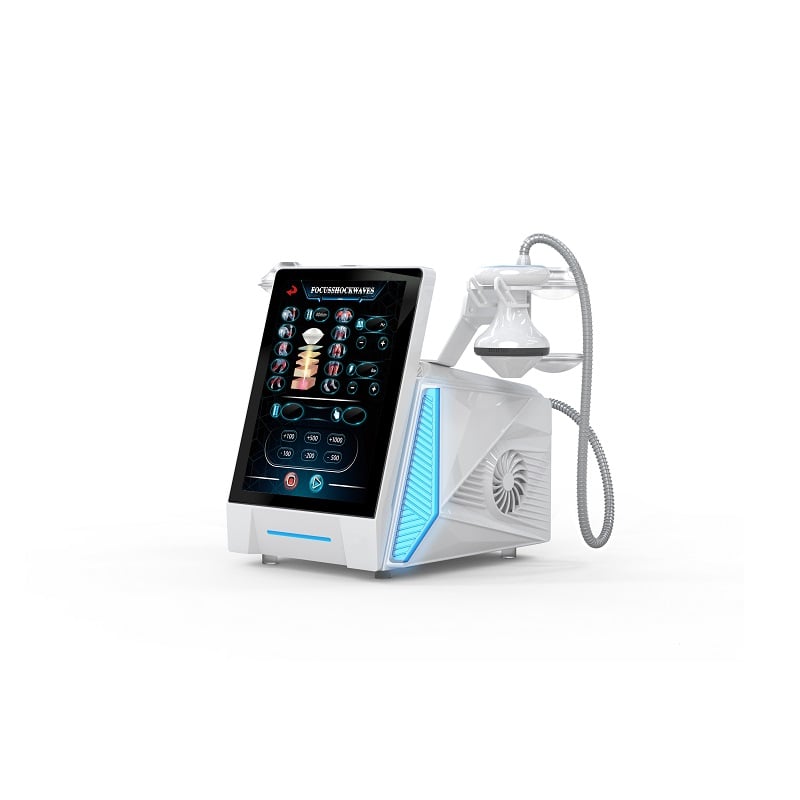
The distinction is not simply machine versus hands. Extracorporeal shockwave delivers pulses from outside the body, and the clinician selects the treatment area and settings; manual release adapts continuously to tissue response and patient feedback. Both approaches require clinical reasoning, and neither should be treated as a universal solution. Comparing their mechanisms clarifies what each can contribute to a rehabilitation plan and where their limits matter.
Shockwave therapy uses acoustic pulses transmitted through an applicator to a chosen body region. The clinician positions the head over the target and adjusts parameters according to the device, clinical indication, and patient response. In extracorporeal shockwave, energy is generated outside the body and transferred through the skin; the method does not mean that a clinician physically breaks up tissue. The intended stimulus is mechanical, not a hands-on stretch.
The physical input differs from the sustained pressure used in manual release. A shockwave treatment delivers repeated pulses over a defined area, with the practitioner controlling application and monitoring tolerance. In musculoskeletal therapy, this can make the method useful when a focused stimulus is part of the clinical plan. Shockwave therapy does not directly tell a practitioner how a patient feels between visits, so follow-up and functional assessment remain important.
A key practical feature is that shockwave therapy can target a region without requiring the practitioner to maintain hand pressure throughout the application. Extracorporeal shockwave devices vary in their delivery approach, so clinicians need to understand the specific equipment and its operating guidance. The method can be uncomfortable for some people, and intensity should be selected with care rather than increased simply to create a stronger sensation.
The proposed biological response to acoustic stimulation is not identical to an immediate change in muscle tension. A shockwave treatment may be chosen as one component of care, but it does not replace diagnosis, load management, or progressive exercise when those are indicated. In musculoskeletal therapy, the important question is whether the stimulus supports a defined functional goal. Shockwave therapy should therefore be judged by the whole care plan, not by the device alone.
Manual release involves a practitioner applying pressure, glide, or tissue-specific movement by hand. The amount, direction, and duration can change in response to tenderness, guarding, and patient feedback. Unlike extracorporeal shockwave, this approach is continuously shaped by touch during the session. In musculoskeletal therapy, that hands-on information may help the clinician assess how a person responds to movement and adjust the technique in real time.
A shockwave treatment uses a set device to deliver pulses, whereas manual release allows moment-to-moment changes in contact and position. Neither contrast makes one approach inherently better. Manual release may suit a patient who values close feedback and a graded hands-on approach, while shockwave therapy may be considered when a clinician wants to apply a localized mechanical stimulus. The choice depends on the assessment, goals, and patient preference.
Manual release can feel soothing, intense, or temporarily tender, depending on the technique and individual sensitivity. Practitioners can reduce pressure or change the angle immediately, which is useful when symptoms shift during treatment. Extracorporeal shockwave also requires attention to tolerance, but its pulses are delivered through an applicator rather than adjusted by the therapist’s fingers. Clear consent and ongoing communication matter with either method.
Hands-on care should not be presented as a way to permanently lengthen or remove tissue restrictions after one session. A shockwave treatment should not be promised as a guaranteed fix either. In musculoskeletal therapy, manual release is often most meaningful when paired with movement practice, education, and appropriate activity changes. Shockwave therapy likewise needs a rationale tied to the patient’s presentation, with progress judged through symptoms and relevant functional measures.
Selection begins with the problem being addressed, not a preference for a tool. The clinician considers diagnosis, symptom behavior, relevant precautions, prior care, and the patient’s goals. Shockwave therapy may be considered when a localized acoustic stimulus fits the clinical reasoning; manual release may be more appropriate when graded touch and immediate response guide the session. Extracorporeal shockwave is one delivery method, not a diagnosis or a complete rehabilitation program.
The treatment environment also matters. A shockwave treatment requires suitable equipment, trained operation, and time to explain the sensation and expected process. Manual release depends on practitioner skill, patient positioning, and an agreed level of pressure. For musculoskeletal therapy teams, documenting why a method was selected and how the patient responded supports continuity. This makes decisions easier to review than relying on habit or a single subjective impression.
The approaches do not have to be treated as rivals. A clinician may use shockwave therapy at one stage and manual release at another, provided each has a clear purpose and the overall plan remains coherent. For example, hands-on work may help a patient explore comfortable movement, while a separate session may use extracorporeal shockwave as a targeted stimulus. The sequence should reflect assessment findings rather than a fixed protocol applied to everyone.
Review progress with measures that matter to the patient, such as activity tolerance, movement confidence, or task performance. If a shockwave treatment does not support the agreed goal, the clinician should reassess the rationale instead of repeating it automatically. Musculoskeletal therapy is most useful when treatment choices connect to active participation and practical function. Whether using manual release or shockwave therapy, discuss likely sensations, alternatives, precautions, and a plan for checking results.
No. Shockwave therapy applies acoustic pulses through an applicator, while massage and manual release use hands-on pressure or movement. Extracorporeal shockwave does not reproduce the continuous touch or real-time tissue feedback of a practitioner’s hands.
They may be included in the same broader care plan when assessment supports each choice. A shockwave treatment and manual release have different inputs, so the clinician should explain their separate purposes and monitor the response rather than assume that combining them is necessary.
Consider the diagnosis, goals, precautions, patient preference, and available clinical expertise. Musculoskeletal therapy should connect either method to function, while shockwave therapy should have a clear rationale and an agreed way to review progress.

