

 EN

shockwave-therapy-vs-tecar-comparing-equipment-options-for-physiotherapy-clinics, shockwave-therapy-vs-tecar-comparing-equipment-options-for-physiotherapy-clinics, /blog
EN
Choosing between shockwave therapy and TECAR is a clinical and operational decision, not simply a choice between two machines. Each approach has a distinct treatment mechanism, patient fit, and workflow, so clinics should begin with the conditions they treat and the services they plan to deliver. TECAR, PMST, and a PEMF therapy device may also enter the conversation when clinics assess their broader treatment mix.
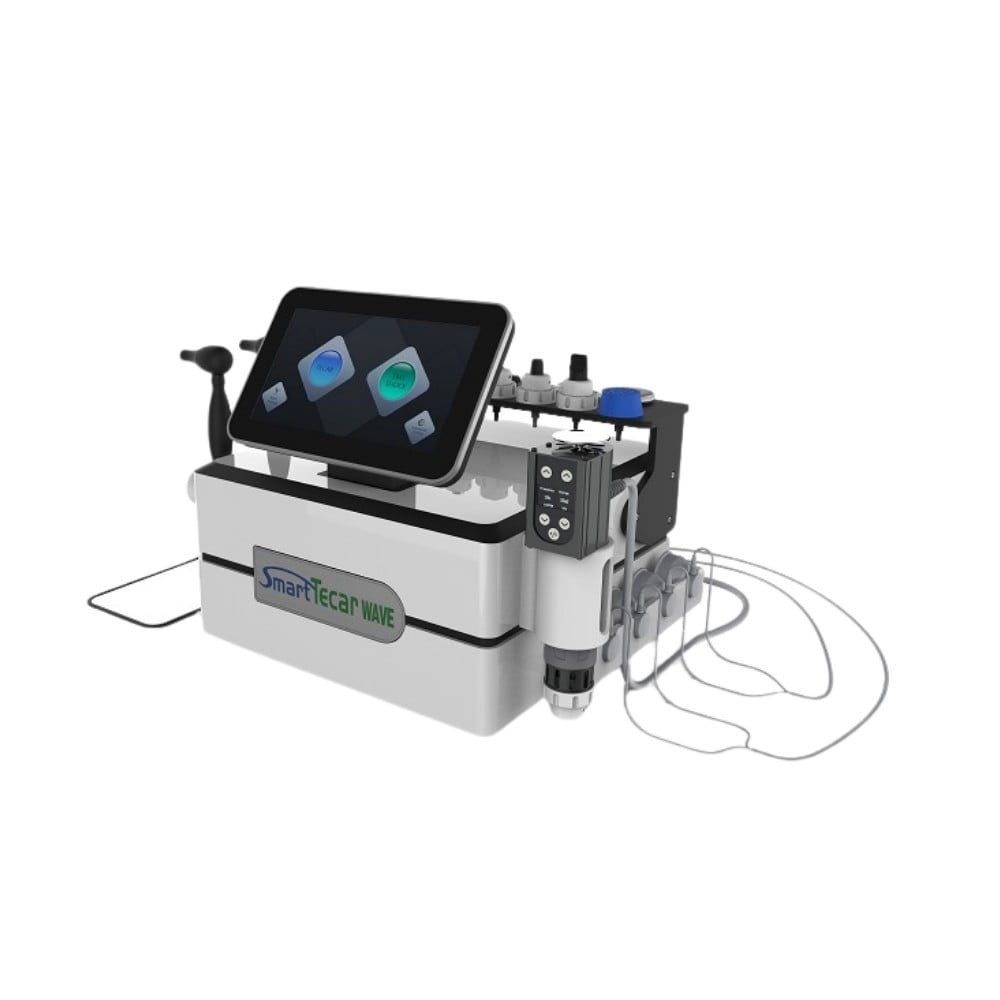
The practical comparison is about matching treatment goals with staff expertise, patient tolerance, session structure, and available space. TECAR uses radiofrequency energy, while shockwave therapy delivers acoustic pulses to a targeted area. A PEMF therapy device and PMST represent other modality options, but they do not make the core decision for you. The right physical therapy equipment is the equipment your team can use appropriately and consistently.
TECAR applies radiofrequency energy through applicators in capacitive or resistive modes, with settings and technique selected for the patient and treatment area. Its hands-on format may suit clinics that incorporate modality use into a therapist-led session. When evaluating TECAR alongside physical therapy equipment already in the clinic, consider whether staff can explain its role clearly and follow a consistent protocol.
Shockwave therapy delivers mechanical acoustic pulses to a selected area, making applicator choice, positioning, and dosage central to treatment planning. TECAR is not a direct substitute because its energy delivery and session technique differ. Clinics comparing it with a PEMF therapy device should assess the intended clinical objective separately; physical therapy equipment should be selected for a defined service need, not because several modalities can be housed in one room.
A clinic considering tendon-related complaints or localized musculoskeletal symptoms should assess whether focused or radial shockwave therapy fits its clinical approach and patient population. PMST may also appear in modality planning, but it is a separate option with its own treatment rationale. A PEMF therapy device and physical therapy equipment should be evaluated against the same practical question: what patient need will this addition serve?
TECAR may be more appropriate when the clinic wants a radiofrequency modality integrated into hands-on care, while shockwave therapy may fit a more targeted application strategy. Neither label guarantees an outcome, and suitability depends on assessment, contraindications, and practitioner judgment. Compare TECAR training requirements with PMST protocols, and confirm that the team can maintain safe, consistent practice before introducing either system.
A modality affects more than the treatment itself. TECAR sessions may involve contact technique and movement of an applicator, whereas shockwave therapy calls for deliberate targeting and controlled pulse delivery. Before purchase, map setup, cleaning, patient positioning, and documentation. Compare those steps with existing PMST workflows and the way each PEMF therapy device is used, then check whether your physical therapy equipment layout supports safe access.
Staff readiness is especially important when adding an unfamiliar modality. Identify who will complete initial and ongoing training, how treatment parameters will be selected, and how new protocols will be reviewed. For TECAR, discuss operator technique and patient communication; for PMST, clarify its separate operating guidance. A PEMF therapy device also needs an accountable user and a documented place in care planning, rather than being treated as a plug-and-play addition.
Compare the equipment footprint with room availability, storage, electrical access, and patient flow. A TECAR unit may support therapist-led sessions, while shockwave therapy may require a different room setup and scheduling pattern. Consider expected utilization by treatment type and staff member, rather than assuming a new modality will be used often. PMST and other physical therapy equipment should be assessed against the same capacity and workflow constraints.
A clinic with limited space may value a combined platform, but integration does not remove the need to assess each modality independently. Review how the controls, applicators, and handpieces are stored, and determine whether switching between functions interrupts appointments. Ask whether a PEMF therapy device or TECAR system will complement current services or duplicate them. For every option, estimate staff time, training demands, and maintenance planning before committing.
Start by recording the main patient needs, current treatment gaps, and practitioner competencies. Then compare shockwave therapy and TECAR by mechanism, intended use, contraindications, treatment steps, and patient experience. Include PMST in the review only if it addresses a defined service objective. This keeps the decision focused on clinical fit instead of allowing a feature list to dictate which physical therapy equipment the clinic buys.
Next, assess the evidence and guidance relevant to the patient groups you serve, and define how outcomes will be reviewed in routine practice. Discuss realistic expectations with clinicians and patients; no modality should be presented as a guaranteed result. TECAR, PMST, and a PEMF therapy device each require appropriate protocols and user competence. Compare the documentation and training available for the specific unit under consideration.
Before selecting equipment, request a clear explanation of operating modes, included applicators, service arrangements, and training scope. If considering shockwave therapy as part of a multi-function platform, verify exactly which functions are included and how clinicians move between them. Ask staff to assess the interface and setup against their regular appointment workflow.
A staged decision can reduce the risk of buying capacity the clinic cannot use. Agree on a clinical lead, define staff training, and set a review point after implementation to check utilization, workflow, and patient feedback. Revisit whether TECAR, PMST, and a PEMF therapy device are serving distinct purposes or competing for the same appointment time. This makes equipment planning an ongoing operational process, not a one-time purchase decision.
There is no universal answer. Compare setup, training, patient positioning, and appointment length with your current services. TECAR may suit a hands-on workflow, while shockwave therapy involves targeted pulse delivery. The best fit depends on staff competence and the clinic's treatment plan.
Yes, if both modalities have a defined role, trained users, and suitable protocols. Review how each fits patient assessment and scheduling before adding them. A PEMF therapy device or PMST should be considered separately rather than assumed to replace either modality.
Confirm the included functions, applicators, training, maintenance arrangements, and room requirements. Ask clinicians to review the workflow and determine whether the physical therapy equipment supports safe, practical use across the services the clinic intends to provide.

