

 EN

single-filter-vs-multi-filter-ipl-systems-compared-for-clinics, single-filter-vs-multi-filter-ipl-systems-compared-for-clinics, /blog
EN
Choosing between single-filter and multi-filter IPL systems is a practical clinic decision: the right configuration depends on treatment mix, patient flow, and how much flexibility staff need. An ipl machine built around one filter can suit a focused service, while a system with several filters may support a broader menu. Comparing each intense pulsed light device by its usable treatment range, operating process, and upkeep gives clinics a sound basis for the decision.
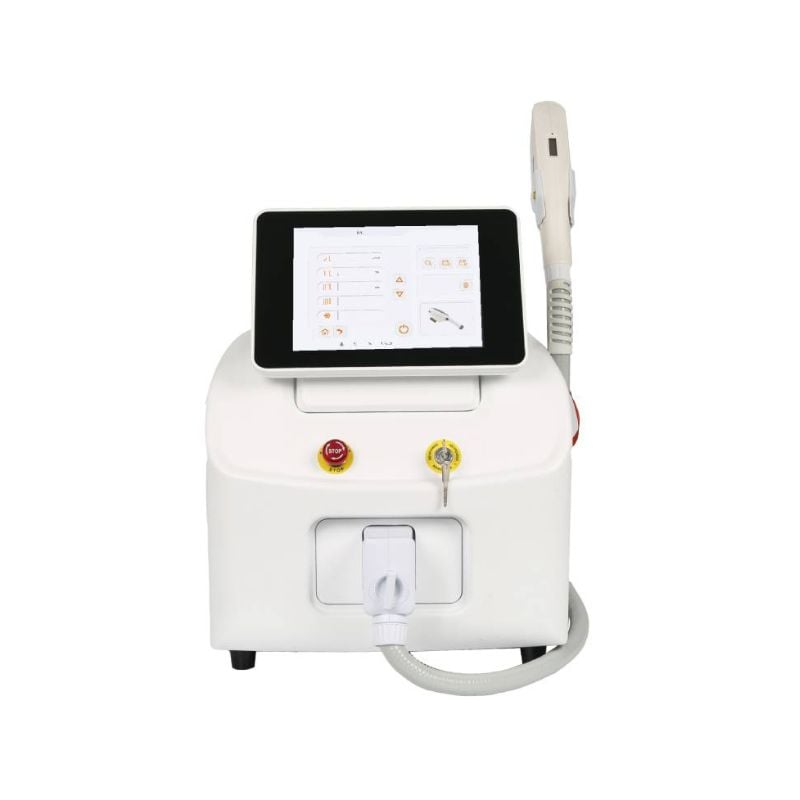
The comparison is not simply one filter versus more filters. Clinics should assess whether each option fits their protocols, staff capability, room schedule, and patient demand. A skin rejuvenation device may be used for a defined set of services, whereas photorejuvenation equipment with interchangeable filters can offer additional choices when the clinic is prepared to manage them. The following sections explain how to compare the configurations and apply the findings to clinic operations.
A single-filter system is configured around a narrower treatment purpose. That can make the operating plan easier to standardize when a clinic primarily delivers one service or uses a consistent protocol. When reviewing an intense pulsed light device, confirm which filter is supplied, its stated application, and whether its specifications match the clinic’s intended use. A skin rejuvenation device should be assessed against the actual services planned, not a broad label alone.
A multi-filter system provides selectable filters intended for different applications, subject to the device’s specifications and the operator’s training. This can make photorejuvenation equipment more adaptable as the service mix changes, but extra options do not automatically mean better results or broader clinical suitability. The clinic should verify how filters are changed, identified, stored, and matched to protocols. For an ipl machine, the useful range is the range staff can safely and consistently deliver.
A focused setup may reduce the number of configuration decisions between appointments. Staff can follow a repeatable process for preparation, parameter checks, treatment, and documentation. Even with a single-filter intense pulsed light device, however, operators must follow training, manufacturer instructions, patient assessment, and appropriate eye protection. Standardization supports smoother handoffs, but it does not replace individual assessment or careful treatment records.
With multiple filters, the workflow includes selecting and checking the correct filter before treatment, then confirming that the planned settings align with the patient and protocol. Clinics should consider whether this additional step fits appointment lengths and staff experience. A multi-option skin rejuvenation device can be practical when procedures are clearly organized, and photorejuvenation equipment should have accessible instructions for filter identification. Ask how an ipl machine signals or documents configuration so staff can reduce avoidable selection errors.
A single-filter model may be a reasonable fit for a clinic with a stable, specialized menu and limited plans to add services. Its value comes from matching the equipment to predictable use, rather than assuming that fewer filters make a system inherently simpler or safer. Before selecting an intense pulsed light device, estimate expected appointment types and confirm that the filter supports the intended protocol. This keeps the skin rejuvenation device decision grounded in service demand.
Clinics serving varied needs may consider multi-filter photorejuvenation equipment when the additional applications are relevant to their qualified staff and patient population. Map each proposed service to its required filter, training, room preparation, and recordkeeping. If only one filter is likely to be used, the added options may bring little operational value. If demand is genuinely varied, an ipl machine with selectable filters may reduce the need to manage separate equipment, depending on clinic requirements.
Staff readiness is central to the choice. Multi-filter workflows require reliable recognition of each filter and a clear process for checking the intended treatment before use. Training should address device operation, patient screening, contraindications, parameter selection, and escalation procedures. A skin rejuvenation device is not a substitute for clinical judgment, and photorejuvenation equipment should be used only within the operator’s qualifications and the device instructions.
Scheduling also affects the comparison. A clinic should allow time for consultation, preparation, configuration checks, treatment, and aftercare rather than planning appointments around the shortest possible session. Review routine cleaning, inspection, replacement parts, and service requirements for each intense pulsed light device. Ask what maintenance applies to filters and handpieces, how downtime is handled, and whether records are straightforward to maintain. These considerations help the ipl machine fit the full operating day.
Start by documenting the clinic’s intended services, expected demand, operator qualifications, and available treatment time. Then compare each ipl machine against those needs rather than judging by filter count. Request clear technical documentation for the included filters, supported applications, operating requirements, and maintenance. For an intense pulsed light device, also examine how controls, handpieces, and safety features fit the clinic’s established procedures.
A demonstration should test ordinary clinic tasks, not just display the interface. Have qualified staff review setup, filter changes where relevant, cleaning, patient record workflow, and the time required to move between appointments. Assess the skin rejuvenation device using realistic scenarios that reflect the clinic’s actual service mix. Photorejuvenation equipment may appear versatile on paper, but its practical value depends on whether staff can use the available options consistently and appropriately.
Once a system is selected, document approved protocols, staff responsibilities, training completion, maintenance checks, and patient communication. Keep filter identification unambiguous, store components as instructed, and make the relevant device manual accessible. For a multi-filter configuration, build the selection check into the pre-treatment routine; for a single-filter setup, maintain the same discipline around assessment and settings. A skin rejuvenation device should be introduced through controlled procedures, not informal assumptions.
The best comparison is therefore specific to the clinic. A focused service may favor a single-filter arrangement when it meets the intended use and simplifies routine planning. A broader service mix may justify multi-filter photorejuvenation equipment if qualified staff, demand, and workflow support the added choices. Revisit the decision as services or staffing change, and verify all claims against technical documentation. This approach helps clinics select an intense pulsed light device based on operational fit rather than feature count.
It offers more filter choices, but practical versatility depends on supported applications, staff training, and patient demand. A clinic should confirm that each option is relevant to its services and can be managed within established protocols.
Yes, if the filter specifications align with the clinic’s intended use and staff can follow appropriate procedures. A focused configuration can fit predictable demand, but operators still need training, patient assessment, and careful documentation.
Review technical documentation, included filters, supported uses, training needs, maintenance, safety instructions, and service requirements. Also evaluate appointment workflow and staff readiness so the selected configuration can be used consistently in the clinic.

