

 EN

singlechannel-vs-dualchannel-shockwave-machine-setups-compared, singlechannel-vs-dualchannel-shockwave-machine-setups-compared, /blog
EN
Choosing between single-channel and dual-channel treatment comes down to how a clinic plans sessions, manages patient flow, and uses different therapy modes. A shockwave machine with one channel supports a focused workflow, while a dual-channel configuration can make more options available without changing the core treatment process. Understanding the practical differences helps buyers match the setup to real service needs.
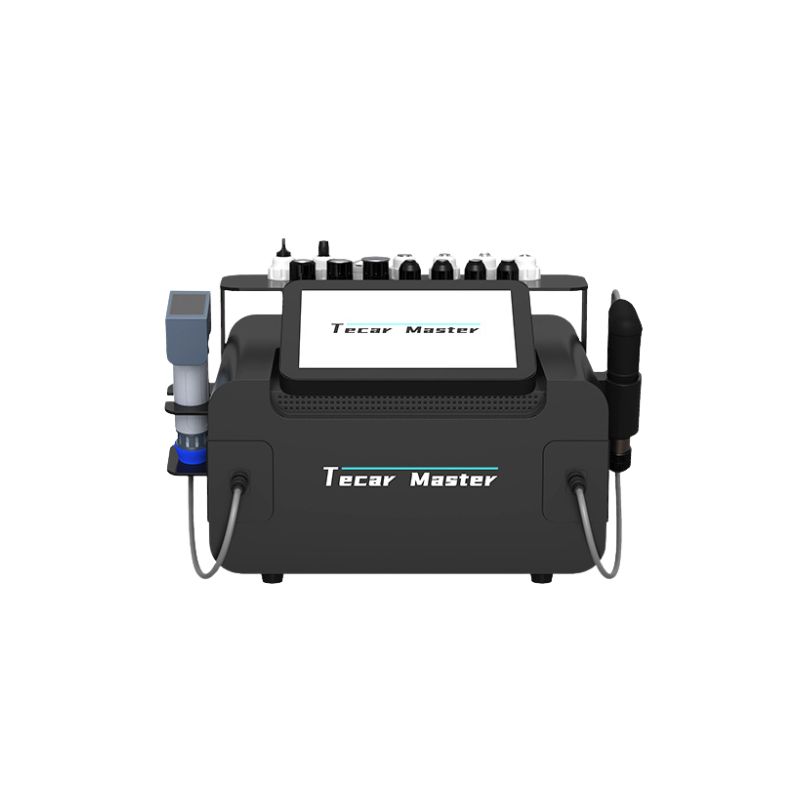
The key distinction is the number of treatment channels the system can support, not a guarantee of better clinical results. A single-channel shockwave device may suit a practice with a consistent service mix, while a dual-channel shockwave unit can offer added flexibility when staff need to switch between compatible modalities. For physiotherapy shockwave services, the best fit depends on appointment patterns, staff training, and intended applications.
A single-channel shockwave machine routes treatment through one selected output path at a time. That straightforward arrangement can simplify setup, handover, and routine checks because staff work with a consistent interface and treatment sequence. A single-channel shockwave device is often easier to integrate where appointments follow a narrow set of protocols and the room is dedicated to one service type.
The trade-off is that changing the intended modality may require stopping to reconfigure the system, depending on its design. A single-channel shockwave unit can still serve varied patients if its supported applications match the clinic’s plan, but operators should confirm the available settings and applicators before purchase. In a physiotherapy shockwave workflow, predictable setup may matter more than having additional channel options.
A dual-channel shockwave machine provides two channel paths or compatible treatment options within one system, according to the product design. This can make it easier to access different modalities during a working day. A dual-channel shockwave device may therefore suit a clinic that serves varied needs, provided staff understand which channel and accessories are appropriate for each intended use.
Two channels do not necessarily mean two patients can be treated at once, nor do they automatically double throughput. A dual-channel shockwave unit may require the operator to select and configure a channel for each session. Before committing, clarify whether channels operate independently, share controls, or require a changeover. Those details determine how much practical flexibility a physiotherapy shockwave team will gain.
The daily workflow is a useful way to compare configurations. With a single-channel shockwave machine, staff can develop one repeatable setup and cleaning routine, which may suit a room with stable appointment types. A single-channel shockwave device can also reduce the number of operating choices staff must manage, although it may involve extra changeover steps when treatment requirements vary.
A dual-channel shockwave unit may reduce the need to move between separate systems when a clinic uses more than one compatible modality. However, the benefit depends on clear procedures for channel selection, accessory checks, and operator training. In a physiotherapy shockwave service, a written handover process helps ensure staff use the intended setup consistently rather than assuming the last channel remains suitable.
A single-channel shockwave unit can be a practical choice when space, budget, or service scope favors a focused installation. Assess how often the equipment will be used, which treatments are planned, and whether another system is already available in the facility. A single-channel shockwave machine is not inherently limiting if its capabilities align with the clinic’s defined work.
A dual-channel shockwave machine can consolidate compatible options in one footprint, but consolidation only adds value when both channels are used. Review the intended patient mix and expected appointment schedule rather than choosing on channel count alone. A dual-channel shockwave device should also fit the room layout, power requirements, storage needs, and staff competency plan for physiotherapy shockwave sessions.
Start by mapping the services the clinic expects to deliver over the equipment’s working life. If demand centers on one supported treatment pathway, a single-channel shockwave device may provide the clearest operational fit. If clinicians regularly need different compatible modalities, a dual-channel shockwave unit may reduce equipment switching, as long as the channel specifications match the intended applications.
Ask for clear documentation on channel functions, controls, included applicators, and any setup requirements. Compare those details with staff experience and the clinic’s protocols. A shockwave machine should be evaluated for fit with the actual workflow, not only its configuration label. For physiotherapy shockwave use, confirm that operators receive suitable training and follow the device instructions for each application.
Consider installation, maintenance access, warranty terms, consumables, and the availability of technical support as part of the decision. These factors affect whether either configuration can remain dependable in daily use. A dual-channel shockwave machine may bring added options, but the clinic should understand the care and operating requirements for both channels before putting it into service.
A measured evaluation can include a demonstration using representative appointment scenarios, with the staff who will operate the equipment. Test how long setup takes, how controls are navigated, and whether channel changes are intuitive. A shockwave device should fit the organization’s patient flow and competency standards. This practical review makes it easier to select a single- or dual-channel shockwave unit based on evidence from the intended setting.
Not necessarily. A dual-channel shockwave machine may provide access to two treatment paths, but simultaneous use depends on its design and instructions. Check this point directly rather than interpreting channel count as parallel treatment capacity. A shockwave device should be used only as specified, with the operator following its setup and safety guidance.
It can suit clinics with a focused service mix, a dedicated treatment room, or established protocols built around one modality. Confirm that the shockwave unit supports the planned applications and accessories. For physiotherapy shockwave services, simplicity is useful when it supports consistent staff routines without restricting the clinic’s defined treatment scope.
Review channel operation, supported applications, controls, accessories, training, service requirements, and room fit. A shockwave machine should match projected demand rather than an assumed need for extra options. Compare the practical workflow for each configuration, then confirm that the shockwave device instructions and physiotherapy shockwave protocols are suitable for the intended team and setting.

