

 EN

slimming-machine-buying-guide-for-beauty-equipment-distributors, slimming-machine-buying-guide-for-beauty-equipment-distributors, /blog
EN
A distributor choosing a slimming machine needs to look beyond a product photograph or a broad body-contouring claim. The right purchase depends on customer demand, treatment scope, operating requirements, service capacity, and the role the equipment will play beside existing technologies such as endolaser and endolift laser systems. This guide sets out a practical way to assess those factors before committing inventory or making a customer recommendation.
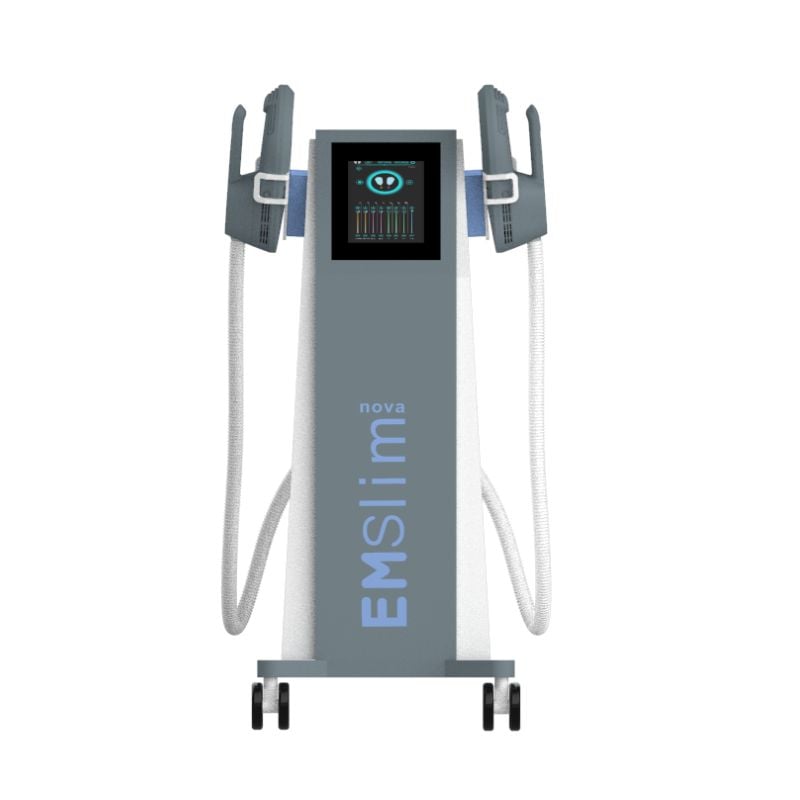
For beauty equipment distributors, a sound decision starts with a clear distinction between technologies, intended users, and service models. A diode laser hair removal machine addresses a different treatment category from body-shaping equipment, while endolaser and endolift laser offerings may appeal to clinics with other procedure plans. Comparing these categories helps you position a slimming machine accurately and avoid buying on assumptions about demand or capability.
Begin with the customer groups already served: beauty salons, fitness clinics, or practices with broader aesthetic services. Ask what clients request, what staff are trained to operate, and how much floor space is available. Endolaser, endolift laser, and diode laser hair removal machine products can sit in the same portfolio, but they do not perform the same function. A slimming machine should fill a specific body-contouring or muscle-conditioning need rather than duplicate another category.
Separate demonstrated demand from general interest. Request feedback from active accounts, review inquiries over a useful period, and identify whether buyers seek a new service, additional capacity, or a replacement. Endolaser interest may come from a different treatment plan than demand for a slimming machine, so do not use inquiries for one technology as a direct forecast for another. This distinction supports a more defensible opening order and reduces the risk of slow-moving stock.
Define the equipment’s role in plain language before presenting it to accounts. Describe the intended service, the operator profile, and the space or workflow implications without borrowing claims from endolift laser or other procedures. A diode laser hair removal machine belongs to hair reduction, whereas a slimming machine is assessed for its stated body-treatment applications. Clear category boundaries make sales discussions more credible and help buyers choose equipment that fits their business.
Consider whether your customers need an entry into body services or a complementary option for an established treatment room. Review their current endolift laser and endolaser equipment only to understand portfolio context, not to suggest that the technologies are interchangeable. The same account may have demand across several categories, but each purchase needs its own business case. Ask customers how they will schedule the service, explain it to clients, and maintain staff competency after installation.
Request a complete specification sheet and confirm what the machine is designed to do, how its controls work, and what site conditions it requires. Check electrical supply, dimensions, cooling or ventilation needs, accessories, and any consumables before quoting. Endolaser, endolift laser, and diode laser hair removal machine specifications should each be reviewed within their own category. For a slimming machine, verify that the stated functions and operating instructions match the service your buyer intends to offer.
Ask for clear operating documentation, training materials, maintenance guidance, and an explanation of any adjustable settings. Your team should understand which functions are user-controlled and which require technical support. Do not infer a slimming machine’s capability from terminology used for endolift laser or endolaser equipment. Likewise, a diode laser hair removal machine has category-specific requirements. Document unanswered questions and obtain written clarification before committing to product descriptions or advising a customer on intended use.
A purchase price is only one part of the commercial calculation. Include freight, installation, training, warranty terms, service response, replacement components, and expected downtime in your assessment. Ask how support is delivered and what information is needed to diagnose an issue. The service plan for a slimming machine should be understood separately from support arrangements for endolaser, endolift laser, or a diode laser hair removal machine, because equipment and maintenance needs may differ.
Check the practical details behind warranty coverage, including who performs repairs, which parts are excluded, and how shipping is handled. Estimate the staff time needed for onboarding and routine care, then consider whether your distribution team can provide that support consistently. These ownership questions matter as much as headline features when comparing a slimming machine with other planned inventory. Clear answers also help you explain ongoing responsibilities to salon and clinic buyers before they place an order.
Before listing equipment, assemble accurate specifications, operating guidance, warranty details, and approved product descriptions. Check that all claims match the documentation and that your sales staff can explain intended use without overpromising. Keep descriptions for endolaser, endolift laser, and a diode laser hair removal machine distinct from body equipment. For each slimming machine model, prepare a consistent response to common questions about training, site preparation, service, and the information buyers should review before purchase.
Establish a launch process that includes staff product education, customer qualification, order checks, and post-delivery follow-up. A short discovery conversation can reveal whether a salon has suitable space, trained operators, and a defined service plan. It can also uncover whether the buyer actually needs a slimming machine or is asking about a different category, such as endolaser. Accurate qualification prevents mismatched recommendations and provides useful feedback for future inventory decisions.
Start with demand signals you can verify, such as active account requests, suitable prospects, and realistic delivery timelines. Consider the cost of holding stock, access to demonstrations, and the time required to train staff. Do not assume that interest in endolift laser or a diode laser hair removal machine predicts sales of body equipment. Track inquiries and conversions by category, then use those observations to refine stocking decisions for each slimming machine configuration.
Plan a review after initial sales to identify recurring questions, service needs, and gaps in product information. Use customer feedback to improve onboarding and clarify which accounts are a good fit. Keep endolaser discussions separate when reviewing body-equipment outcomes, since separate categories need separate demand and support assumptions. A measured launch gives distributors a way to test the commercial fit of a slimming machine while protecting customer trust and preserving room to adjust the portfolio.
Confirm intended use, specifications, training, warranty, service arrangements, and site requirements. Review endolaser and endolift laser as separate categories, then check whether the proposed body equipment meets a verified customer need.
Not reliably. Interest in a diode laser hair removal machine does not establish demand for body services, and endolaser inquiries should be tracked separately. Use account feedback and sales records for each category.
Qualify the buyer, document operating and support requirements, and confirm the service plan before quoting. Treat endolift laser and diode laser hair removal machine demand as distinct from slimming equipment demand, then order against evidence.

