

 EN

solving-condensation-and-frost-issues-in-cryolipolysis-work, solving-condensation-and-frost-issues-in-cryolipolysis-work, /blog
EN
Condensation and frost during cryolipolysis work are more than cosmetic inconveniences: they can disrupt setup, obscure inspection, and signal that moisture or temperature conditions need attention. A cryolipolysis machine operates with a cold contact surface, so staff should understand where moisture forms and how to respond without rushing a procedure. A consistent approach helps protect workflow and supports a controlled cryolipolysis treatment.
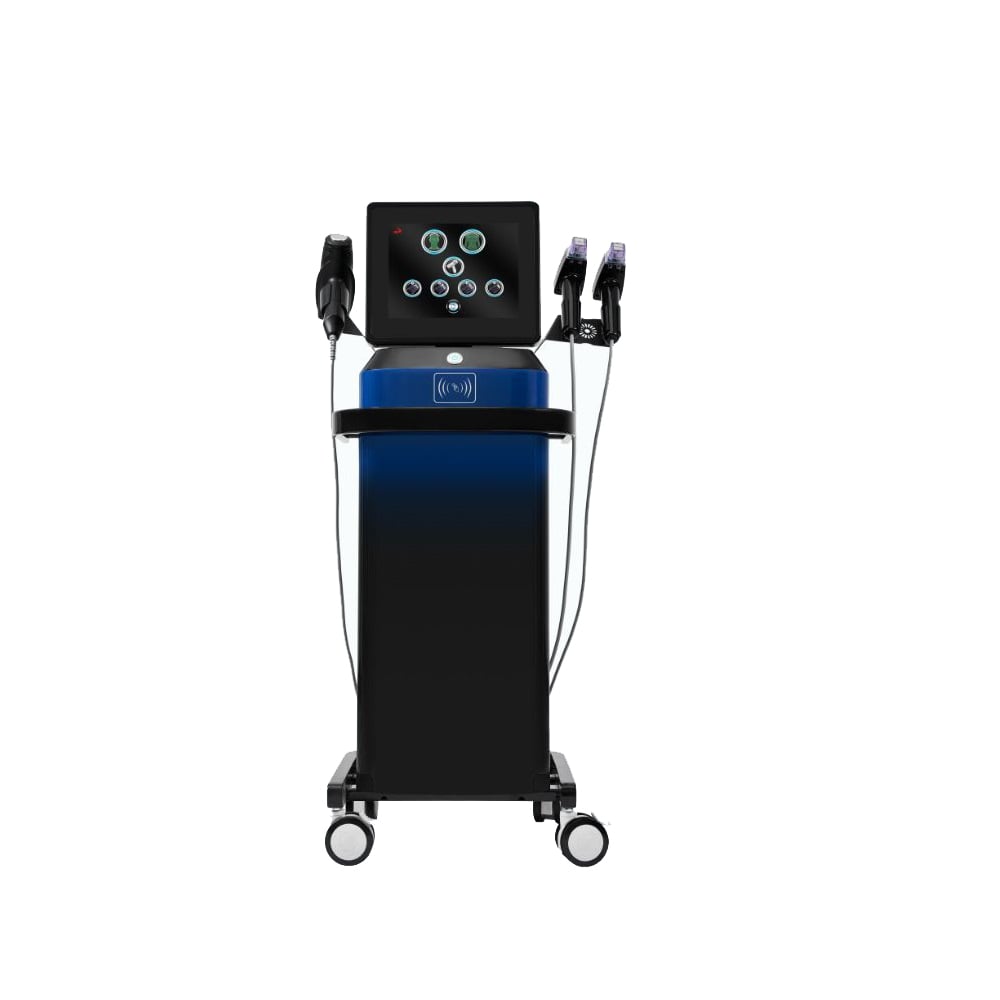
The practical goal is not to eliminate every trace of moisture in every environment, but to identify its source, prevent avoidable accumulation, and pause when safe operation is uncertain. Teams using a fat freezing device should distinguish ordinary room humidity from moisture caused by handling, condensation around cold components, or an abnormal equipment condition. These checks also matter when body contouring equipment is shared across treatment rooms.
Condensation forms when humid air contacts a surface colder than the surrounding air’s dew point. During cryolipolysis, the cooling interface and nearby components may become cold enough for airborne moisture to collect, especially in warm, humid rooms. A cryolipolysis machine can therefore show moisture even when the room appears comfortable. The pattern, location, and timing of the droplets provide useful clues.
Frost is different from a thin film of condensation. It indicates that moisture has frozen on a sufficiently cold surface, and it may affect contact, inspection, or handling. A fat freezing device should be checked according to its operating instructions if frost appears where it is not expected. Avoid scraping ice or applying heat unless the manufacturer’s approved procedure specifically directs it.
Record room temperature and humidity when recurring moisture is noticed, then compare observations across shifts and locations. Check whether the issue follows a particular treatment room, setup sequence, or period of heavy door traffic. This simple context can help staff determine whether body contouring equipment is exposed to unusually humid air or whether the concern appears tied to one unit.
Inspect visible surfaces, connections, cables, and accessories for damage, residue, or signs of water entry, following the approved checklist. Do not assume that every droplet is harmless or that every patch of frost proves a fault. If the cryolipolysis machine displays an alarm, behaves inconsistently, or shows moisture in a restricted area, stop and escalate the issue before proceeding with a cryolipolysis treatment.
A repeatable setup reduces variables. Allow the room to reach its normal operating conditions, keep airflow unobstructed, and avoid positioning the unit beside a humidifier, open exterior door, or direct stream of warm moist air. Before using a cryolipolysis machine, confirm that its exterior and treatment components are clean and dry as specified in the instructions.
Store the fat freezing device and its accessories in the recommended environment rather than moving cold components directly from a substantially different temperature zone into humid air. When a unit has been relocated, follow the guidance for acclimation before operation. The same storage discipline helps protect body contouring equipment from repeated temperature shifts that can complicate inspection.
Staff practices influence moisture exposure. Dry hands and approved materials, careful handling of components, and prompt attention to spills reduce unnecessary water near the treatment area. Keep ventilation consistent, but do not direct fans at a cold contact surface to force drying. During a cryolipolysis treatment, follow the prescribed preparation and contact steps instead of improvising around visible condensation.
Use a brief pre-use check that notes visible moisture, frost, unusual odor, alarms, and any change in performance. If the surface is damp, follow the equipment guidance for drying and reinspection before use. Document repeated observations so a service professional can see the pattern. This record makes it easier to assess whether the cryolipolysis machine needs attention or room conditions need adjustment.
When unexpected frost appears, pause the workflow rather than continuing to apply a component whose condition is unclear. Keep the fat freezing device in a safe state, follow the manual’s shutdown or defrosting directions, and allow surfaces to reach the specified condition. Never use sharp tools, unapproved chemicals, or external heat to speed the process.
Before restarting, verify that accessible surfaces are dry, the affected area is clear, and no warning remains. Check that accessories are correctly seated and that cables or connectors show no visible damage. If the cryolipolysis machine has an unresolved alarm, recurring frost, or abnormal cooling behavior, keep it out of service and contact qualified support. A cryolipolysis treatment should resume only when the equipment is cleared under the relevant procedure.
A short incident record should capture the room conditions, the location of condensation, whether frost formed, the operating stage, and actions taken. Include the time required for approved drying or defrosting and whether the issue returned. These details let a team compare like conditions instead of relying on memory. For body contouring equipment, patterns across rooms or shifts can point toward environmental controls, storage routines, or a maintenance question.
Review records at a practical interval and update staff training when a recurring cause is confirmed. Prevention may involve better room consistency, a revised storage handoff, or clearer criteria for pausing a session; it does not mean bypassing safety instructions. Treat the cryolipolysis machine manual as the authority for operating limits, cleaning, and service escalation. Consistent documentation supports a more predictable cryolipolysis treatment workflow and helps teams manage the fat freezing device responsibly.
Not automatically. Follow the equipment instructions and assess where the moisture is located. If it affects a contact surface, appears near a restricted component, or accompanies an alarm, pause and inspect before continuing the cryolipolysis treatment. Do not wipe or dry internal areas without an approved method.
Stop using the unit and record the conditions and location where frost returns. Check the approved setup steps, but do not repeatedly restart a cryolipolysis machine with unresolved frost or abnormal behavior. Escalate recurring issues for qualified assessment before returning the fat freezing device to service.
Track room conditions, standardize storage and setup, keep airflow consistent, and train staff to recognize when to pause. Use the prescribed checks for body contouring equipment, and document repeat events. These measures can make a cryolipolysis treatment workflow more consistent without replacing maintenance guidance or equipment instructions.

